America's Original Energy Drink Was Made in Colonial Kitchens — And It's Making a Comeback
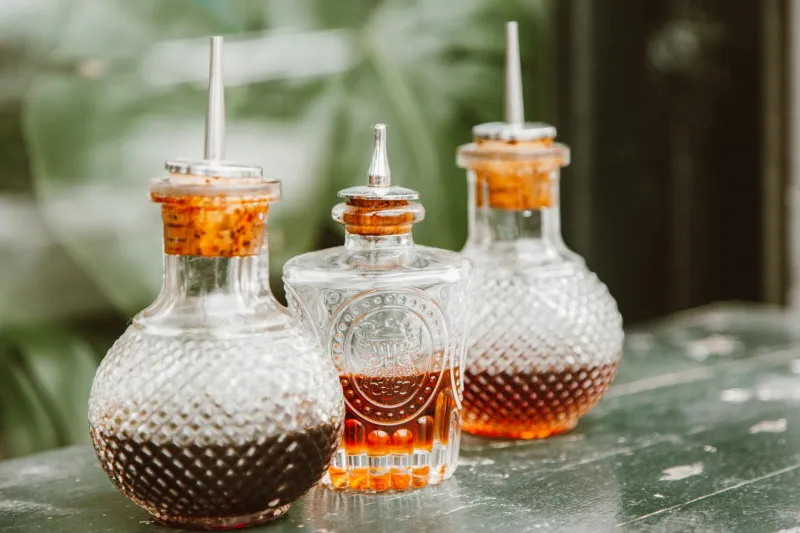
The Drink That Built America
Walk into any colonial tavern in 1750, and you'd likely find patrons sipping something that would puzzle modern Americans: a tangy, fruity drink that combined the bite of vinegar with the sweetness of sugar and the bright flavor of whatever berries happened to be in season. They called them shrubs, and for nearly two centuries, these drinking vinegars were as common in American households as coffee is today.
While we think of vinegar as something you clean windows with or drizzle on salads, our ancestors knew better. They understood that vinegar wasn't just a preservative — it was the foundation of a refreshing drink that could last through hot summers without spoiling, provide a quick energy boost during long workdays, and turn abundant seasonal fruit into something that would keep all winter long.
Why Colonists Couldn't Live Without Shrubs
In an era before refrigeration, shrubs solved multiple problems at once. When raspberry season hit and you had more berries than your family could eat, you didn't just make jam — you made shrub syrup. The process was brilliantly simple: combine fresh fruit with sugar, let it macerate until the juices ran, then add apple cider vinegar and let the whole mixture develop its complex, tangy-sweet flavor.
The result was a concentrated syrup that could be mixed with water (and later, soda water) to create an instant refreshing drink. But shrubs weren't just about convenience. The vinegar provided what we now recognize as probiotics and electrolytes, making these drinks genuinely energizing in ways that pure sugar water never could be.
During the Revolutionary War, shrubs became even more important. With tea heavily taxed and coffee still expensive, Americans turned to their homemade drinking vinegars as a patriotic alternative. George Washington himself was known to enjoy a good shrub, and Thomas Jefferson kept detailed notes about shrub-making techniques at Monticello.
The Great Disappearing Act
So what happened to America's original craft beverage? The same thing that happened to a lot of traditional food preservation techniques: technology made them seem unnecessary. As refrigeration became common in the early 20th century, the need to preserve fruit in vinegar disappeared. At the same time, commercial sodas like Coca-Cola were becoming widely available, offering sweetness and fizz without the sharp edge of vinegar.
By the 1950s, shrubs had largely vanished from American kitchens. A few old-timers in rural areas might still make them, but for most Americans, the idea of deliberately adding vinegar to a drink seemed bizarre. The knowledge of how to make them properly — the right fruit-to-sugar ratios, the ideal vinegar varieties, the proper aging techniques — began disappearing with each generation.
The Quiet Revolution in Modern Kitchens
But something interesting has been happening in the last decade. As Americans have become more interested in fermentation, craft cocktails, and traditional food preservation, shrubs have started showing up again — first in high-end cocktail bars, then in farmers' markets, and now in home kitchens across the country.
Modern bartenders discovered that shrubs bring something unique to cocktails that simple fruit syrups can't match. The acidity from the vinegar balances sweetness naturally, while the fermented complexity adds depth that makes even simple drinks more interesting. A gin and tonic becomes something special when you add a splash of blackberry shrub. A whiskey sour gets a whole new dimension with peach shrub instead of lemon juice.
Meanwhile, home fermentation enthusiasts have realized that shrubs are actually easier to make than kombucha or kimchi, with less risk of contamination and more predictable results. You don't need special equipment or starter cultures — just fruit, sugar, vinegar, and time.
Why Your Great-Great-Grandmother Was Right
What's driving this revival isn't just nostalgia. Modern research has confirmed what colonial Americans knew intuitively: vinegar-based drinks offer genuine health benefits. The acetic acid in vinegar can help regulate blood sugar, aid digestion, and provide a gentler energy boost than caffeine. When combined with the antioxidants in fruit and the quick energy from natural sugars, shrubs deliver something closer to what we now call a "functional beverage."
Plus, in our current era of concern about processed foods and artificial ingredients, shrubs represent something appealingly simple and transparent. When you make your own strawberry shrub, you know exactly what's in it: strawberries, sugar, and vinegar. No artificial flavors, no preservatives, no ingredients you can't pronounce.
The New Shrub Economy
Today's shrub makers aren't just replicating colonial recipes — they're innovating. Small companies like Pok Pok Som and Acid League are creating shrubs with ingredients the colonists never imagined: Thai chili and pineapple, turmeric and ginger, even savory combinations like tomato and herb.
Farm-to-table restaurants are using shrubs both in cocktails and as finishing touches for dishes, drizzling aged fruit vinegars over roasted vegetables or using them in salad dressings. Some chefs have even started serving shrubs as digestifs, recognizing their traditional role in aiding digestion after heavy meals.
Making Your Own Colonial Comeback
The beauty of shrubs is their flexibility. Start with any fruit that's in season — berries work especially well — combine it with an equal weight of sugar, and let it macerate until the juices flow freely. Then add apple cider vinegar (about one part vinegar to two parts fruit syrup), and let the mixture age for at least a week. The longer it sits, the more complex the flavors become.
When you're ready to drink it, mix one part shrub syrup with four to six parts sparkling water, or use it as a cocktail ingredient. The result is something that tastes both familiar and completely new — a reminder that sometimes the best innovations are really just forgotten wisdom waiting to be rediscovered.
In a world of energy drinks and artificial flavors, maybe it's time to admit that colonial Americans had the right idea all along.