The Condiment Time Forgot
Walk into any American supermarket today and you'll find an entire aisle dedicated to condiments. Ketchup, mustard, mayo, ranch dressing — the usual suspects line the shelves in endless variations. But there's one condiment that once held court at holiday tables across the South and Appalachia that you won't find anywhere near the Heinz display: chow-chow.
This isn't the sweet pickle relish you might be thinking of. True chow-chow is something entirely different — a chunky, fermented medley of cabbage, green tomatoes, onions, and peppers that packs a tangy punch capable of transforming leftover turkey into something worth fighting over.
From Pennsylvania Barns to Southern Porches
The story of chow-chow begins in the practical kitchens of Pennsylvania Dutch settlers, where nothing edible ever went to waste. As summer gardens reached their peak and winter approached, resourceful cooks developed ways to preserve the abundance. Chow-chow became their solution — a way to capture the last of the season's vegetables in a single, shelf-stable condiment.
 Photo: Pennsylvania Dutch, via i.pinimg.com
But it was in the South where chow-chow truly found its calling. African American cooks, drawing on both necessity and tradition, elevated the basic Pennsylvania Dutch recipe into something more complex. They added their own spice combinations, fermentation techniques, and regional vegetables, creating dozens of distinct variations across different communities.
By the early 1900s, chow-chow had become as essential to Southern holiday meals as cornbread. Every family had their own recipe, passed down through generations like precious heirlooms. The condiment appeared at church suppers, family reunions, and especially at Thanksgiving and Christmas tables, where its bright acidity cut through rich holiday foods with remarkable effectiveness.
The Great Disappearing Act
So what happened? How did a condiment so deeply woven into American food culture simply vanish from most tables?
The answer lies in the same forces that reshaped American eating habits throughout the 20th century: industrialization, standardization, and the rise of national food brands. As local food production gave way to mass manufacturing, companies focused on condiments that could be produced cheaply, shipped long distances, and appealed to the broadest possible audience.
Chow-chow, with its regional variations and fermentation requirements, didn't fit the new model. Unlike ketchup or mayo, which could be standardized and mass-produced with consistent results, chow-chow remained stubbornly artisanal. Each batch was slightly different, and the fermentation process made it challenging to achieve the long shelf life that supermarket chains demanded.
Meanwhile, younger generations growing up in increasingly mobile families began losing touch with the regional food traditions of their grandparents. As families moved from rural areas to suburbs, and from South to North, the knowledge of how to make — and more importantly, why to make — chow-chow began disappearing.
The Quiet Comeback
But here's where the story gets interesting. While chow-chow was vanishing from mainstream American tables, it never completely died out. In pockets of Appalachia and the rural South, families continued making it, often selling small batches at farmers markets or church fundraisers.
Today, those small-batch producers are finding an unexpected new audience. Food enthusiasts seeking alternatives to industrial condiments have discovered what their great-grandparents knew all along — that chow-chow's complex, fermented flavors can elevate almost any dish.
Small companies like Brasstown Beef in North Carolina and Peaceful Valley Farm in West Virginia are now shipping their chow-chow nationwide, introducing curious eaters to flavors they never knew they were missing. Food bloggers and cookbook authors have begun featuring chow-chow recipes, often presenting them as "new" discoveries.
More Than Just Nostalgia
The chow-chow revival isn't just about nostalgia or foodie trends. In an era when Americans are increasingly interested in fermented foods, sustainable eating, and reducing food waste, chow-chow represents something valuable: a time-tested way to transform humble vegetables into something extraordinary.
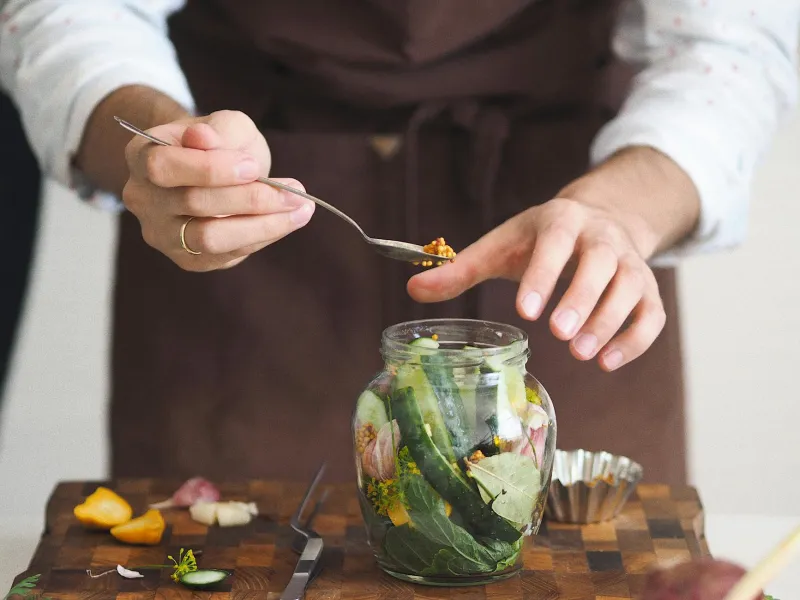
Unlike many trendy fermented foods, chow-chow doesn't require exotic ingredients or specialized equipment. It's democracy in a jar — a way to turn the end-of-season vegetables that might otherwise go to waste into a condiment that can brighten winter meals for months.
For modern cooks dealing with CSA boxes or ambitious gardens, chow-chow offers the same solution it provided their ancestors: a delicious way to capture abundance and extend the growing season. The fermentation process not only preserves the vegetables but transforms them into something more complex and flavorful than the sum of their parts.
The Future of Forgotten Flavors
As chow-chow slowly makes its way back onto American tables, it raises interesting questions about which other forgotten foods might deserve a second look. In our rush toward convenience and standardization, how many regional treasures have we left behind?
The chow-chow story suggests that some traditions are worth preserving not just for their historical value, but for their continued relevance. In a world of industrial food production, there's something deeply satisfying about a condiment that connects us to both the seasons and the generations that came before us.
Next time you're planning a holiday meal, consider adding a jar of chow-chow to your table. Your guests might not recognize it, but their taste buds will thank you for the introduction.