Wisconsin Made It, America Forgot It: The Comeback Story of Colby Cheese
Wisconsin Made It, America Forgot It: The Comeback Story of Colby Cheese
There's a decent chance you've eaten Colby cheese without knowing it. It was probably blended into something labeled "Colby-Jack," melted anonymously onto a burger, or stacked inside a deli sandwich where nobody asked questions. At some point, Colby stopped being a cheese with its own identity and became a supporting player — a filler ingredient in a country that forgot it was ever anything more.
That's a strange fate for a cheese that was once a genuine point of American pride.
Born in a Farmhouse, Not a Factory
Colby has a more specific origin story than most American foods. It was developed in 1885 by Joseph Steinwand on his family's farm in Colby, Wisconsin — a small town about 130 miles east of the Twin Cities that most people outside the state couldn't find on a map. Steinwand was experimenting with the cheesemaking process his father had brought over from European tradition, and somewhere in that tinkering, he landed on something genuinely new.
The key difference between Colby and cheddar comes down to a single step in the process called "cheddaring" — the practice of stacking and pressing curds to drive out moisture and develop a firm, slightly sharp character. Steinwand skipped it. Instead, he washed the curds in cold water partway through production, which stopped the acidification process early and left the finished cheese with a higher moisture content, a softer texture, and a noticeably milder, sweeter flavor than cheddar.
The result was a cheese that melted beautifully, played well with other flavors, and had an approachable taste that appealed to people who found aged cheddar a little aggressive. Wisconsin dairy farmers loved it. It spread quickly across the state and eventually across the country, earning a reputation as a reliable, distinctly American product.
How "American Cheese" Ate Colby Alive
Here's where the story takes a turn. The same qualities that made Colby popular — mild flavor, soft texture, excellent meltability — also made it a perfect candidate for industrial processing. As the 20th century wore on and American food production scaled up dramatically, cheese manufacturers discovered that blending Colby with other mild cheeses (or processing it into the shelf-stable orange slices that became ubiquitous on school lunches and fast food burgers) was cheaper and more consistent than producing it traditionally.
Colby didn't disappear from store shelves. It just stopped being itself. What you find labeled "Colby" at most grocery stores today is often produced so quickly and at such scale that the texture is rubbery, the flavor is nearly nonexistent, and the only thing connecting it to Steinwand's original is the name on the package. When Colby-Jack — a marbled blend of Colby and Monterey Jack — became more popular than either cheese on its own, even the name started to feel like an afterthought.
Most Americans under 40 couldn't tell you what Colby tastes like on its own. That's the quiet tragedy at the center of this story.
What Real Colby Actually Tastes Like
If you've never had traditionally made Colby, the flavor is worth seeking out. It's genuinely different from cheddar in ways that go beyond "less sharp." Good Colby has a clean, slightly buttery sweetness with a faint earthiness underneath. The texture is open and springy rather than dense — cheesemakers describe it as having a more "open body" than cheddar, meaning tiny irregular pockets form inside the wheel during aging that give each bite a slightly different character.
It's a cheese that makes sense on a simple cracker. It doesn't need to compete with anything.
The Quiet Comeback
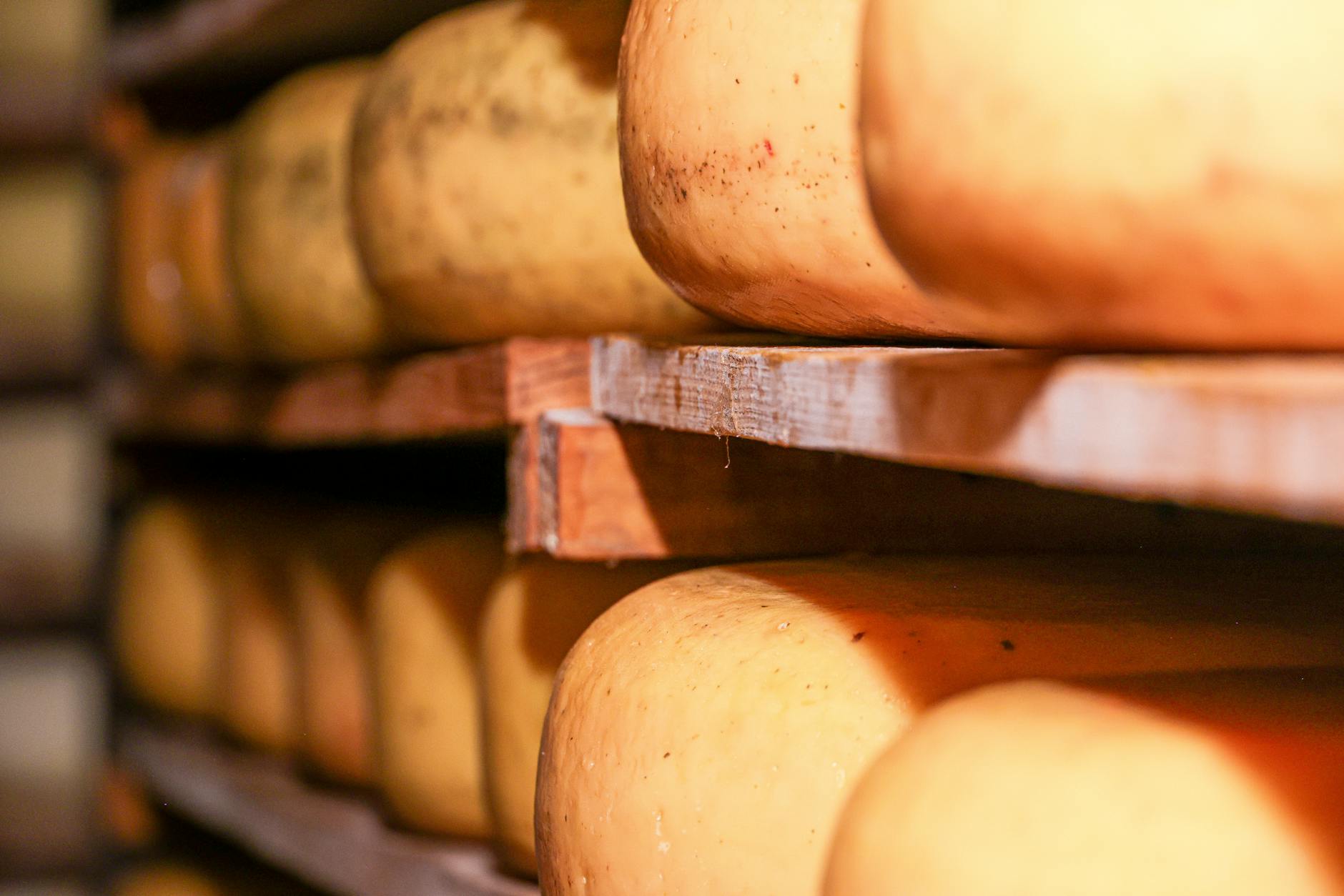
A small but determined group of Wisconsin cheesemakers has spent the last decade trying to remind people what Colby is supposed to be. Producers like Widmer's Cheese Cellars in Theresa, Wisconsin — one of the last operations still making Colby in traditional cylindrical "longhorn" wheels rather than rectangular blocks — have been making the case that the original process produces something genuinely worth protecting.
The movement has gotten a modest boost from the broader American interest in artisan and regional foods. Farmers markets, specialty cheese shops, and adventurous deli counters have started stocking traditionally made Colby alongside better-known artisan varieties, and some customers who try it for the first time are surprised to discover it tastes like something rather than nothing.
Wisconsin's dairy industry has also taken steps to formalize what "Colby" actually means. The cheese has a legal standard of identity under federal regulations, which sets minimum requirements for moisture content and production method — though critics argue the standards still leave room for industrial producers to use the name without honoring the spirit of the original.
Why It Matters Beyond Nostalgia
The Colby story isn't just a sentimental footnote about a cheese that got crowded out. It's a pretty clean illustration of how American food culture has a habit of standardizing things into blandness and then forgetting what was lost. The same pattern shows up with heirloom tomatoes, heritage pork breeds, and regional bread traditions — foods that were quietly excellent until efficiency decided they weren't worth the trouble.
The good news is that the pattern also tends to reverse itself, slowly and imperfectly, when enough people get curious. Colby isn't having a dramatic renaissance. But it's having a small, honest one — the kind where a cheesemaker in rural Wisconsin is still cutting longhorn wheels by hand and hoping someone will notice the difference.
Next time you're at a cheese counter with someone behind it who actually knows things, ask for traditionally made Colby. Not Colby-Jack. Not the shrink-wrapped block. The real thing. It's one of the few genuinely American cheeses with a documented inventor, a specific hometown, and a flavor worth remembering.