Flip through any community cookbook from the 1930s, and you'll find recipes that sound like practical jokes: Tomato Spice Cake, Chocolate Beet Cake, Potato Doughnuts. These weren't desperate measures born from empty pantries — they were brilliant kitchen hacks that produced better baked goods than most modern recipes can manage.
When Vegetables Became Secret Weapons
During the Great Depression, home bakers discovered something that would make today's food scientists nod in approval: vegetables don't just add nutrition to baked goods, they dramatically improve texture, moisture, and shelf life. What started as economic necessity became a baking technique so effective that some families kept using it long after rationing ended.
The logic was elegant in its simplicity. Butter, eggs, and sugar cost money that many families didn't have, but vegetable gardens produced abundance that would otherwise go to waste. Resourceful bakers realized that grated carrots, mashed potatoes, and pureed tomatoes could replace expensive ingredients while creating cakes that stayed moist for days.
These weren't health food experiments — they were survival innovations that accidentally unlocked superior baking chemistry. The vegetables provided natural sugars, starches, and fibers that created textures impossible to achieve with traditional ingredients alone.
The Science Behind Grandma's "Weird" Recipes
Modern food science explains why these Depression-era innovations worked so well. Vegetables contain natural pectin and fiber that trap moisture and create tender crumb structures. The starches in potatoes and sweet potatoes act as natural emulsifiers, helping fats and liquids blend more smoothly than eggs alone.
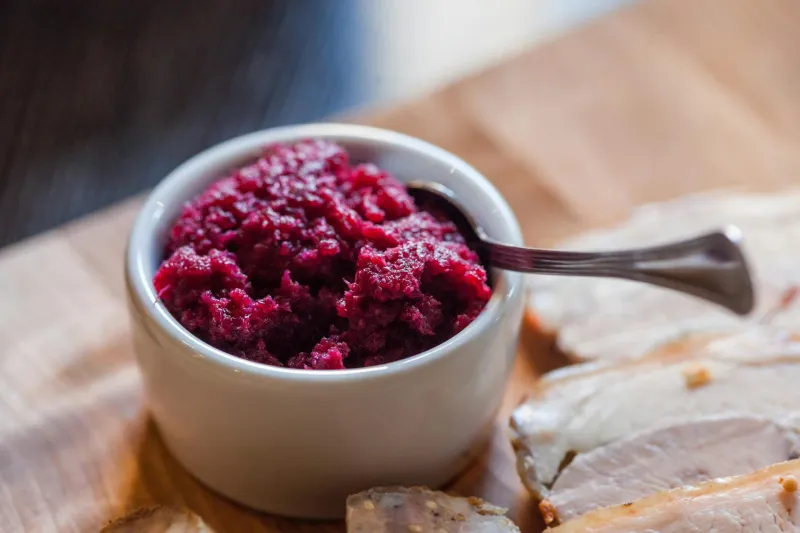
Tomatoes bring acidity that tenderizes gluten and enhances chocolate flavor — the same principle that makes red velvet cake work. Beets provide natural sugars and earth tones that complement cocoa, while their moisture content keeps chocolate cakes from drying out. Carrots offer beta-carotene that creates rich orange hues and natural sweetness that reduces the need for added sugar.
The fermentation byproducts in vegetables also contribute complex flavors that pure sugar can't replicate. A carrot cake made with fresh carrots tastes different from one made with carrot extract because the vegetable brings enzymes and compounds that interact with other ingredients during baking.
Recipes That Refused to Make Sense
Some of the most successful Depression-era vegetable cakes sound like mistakes waiting to happen. Mayonnaise cake — made with actual mayonnaise instead of eggs and oil — produces incredibly moist results because mayonnaise is essentially pre-emulsified eggs and oil with vinegar added for tenderness.
Sauerkraut chocolate cake sounds like a dare, but the fermented cabbage adds moisture and a subtle tang that enhances chocolate flavor while completely disappearing in the finished product. The acid in sauerkraut performs the same function as buttermilk, creating tender crumbs and rich flavor.
Potato doughnuts became legendary in some regions because mashed potatoes created a texture that stayed fresh longer than traditional yeast doughnuts. The starch in potatoes absorbed oil more efficiently during frying, producing lighter results with less grease.
Why Modern Baking Lost the Plot
Post-war prosperity brought abundance that made vegetable baking seem unnecessary. As processed ingredients became available and affordable, home bakers abandoned techniques that seemed old-fashioned in favor of cake mixes and standardized recipes that promised consistent results.
The shift toward convenience also eliminated the seasonal thinking that made vegetable baking logical. When you could buy eggs year-round and butter was always available, the incentive to experiment with vegetable substitutes disappeared. Baking became less creative and more formulaic.
Food marketing played a role too. Companies selling cake mixes, shortening, and processed ingredients had no interest in promoting techniques that used fresh vegetables instead of their products. The message became clear: modern baking meant modern ingredients, and vegetables belonged in salads, not cakes.
The Comeback That's Happening Right Now
Today's health-conscious bakers are rediscovering these techniques, but they're missing the point. While Pinterest celebrates zucchini bread as a way to sneak vegetables into dessert, Depression-era bakers understood that vegetables made desserts better, not just healthier.
Professional bakers are catching on. High-end bakeries now feature beet chocolate cake and sweet potato cupcakes, charging premium prices for techniques that thrifty grandmothers perfected decades ago. The difference is understanding: modern bakers focus on the novelty, while Depression-era bakers focused on the results.
The environmental angle adds new relevance to old techniques. Using vegetables that might otherwise go to waste reduces food waste while creating superior baked goods. It's sustainability that tastes better, not sacrifice that feels virtuous.
How to Steal Your Ancestor's Best Tricks
The key to successful vegetable baking is treating vegetables as ingredients, not add-ins. Grated vegetables should be fine enough to disappear into batters. Pureed vegetables work best when their moisture content is considered part of the recipe's liquid requirements, not additions to existing formulas.
Start with forgiving recipes where vegetables make intuitive sense. Carrot cake and zucchini bread work because the vegetables complement the flavors rather than fighting them. Once you understand how vegetables behave in batters, you can experiment with less obvious combinations.
The texture improvements are immediate and obvious. Vegetable cakes stay moist longer, freeze better, and often taste more complex than their traditional counterparts. They're not health food — they're better food that happens to include vegetables.
The Kitchen Wisdom We Almost Lost
Depression-era vegetable baking represents something modern cooking often lacks: resourcefulness that leads to innovation. These bakers didn't have access to exotic ingredients or expensive equipment, so they got creative with what they had and discovered techniques that industrial baking still can't replicate.
The lesson isn't that we should return to Depression-era austerity, but that constraints often spark creativity that abundance stifles. When bakers had to make do with less, they figured out how to make it better.
Your great-grandmother's "weird" cake recipes weren't desperate measures — they were master classes in making the most of what you have. In a world where we're rediscovering the value of reducing waste and eating seasonally, maybe it's time to raid her recipe box for inspiration.
The next time you have vegetables that are past their prime for salads but still good for cooking, remember that your ancestors found a way to turn them into dessert. And chances are, their version tasted better than anything you can buy in a store.