The Lunch Counter Nobody Talks About — Where a Southern City Quietly Let History Happen
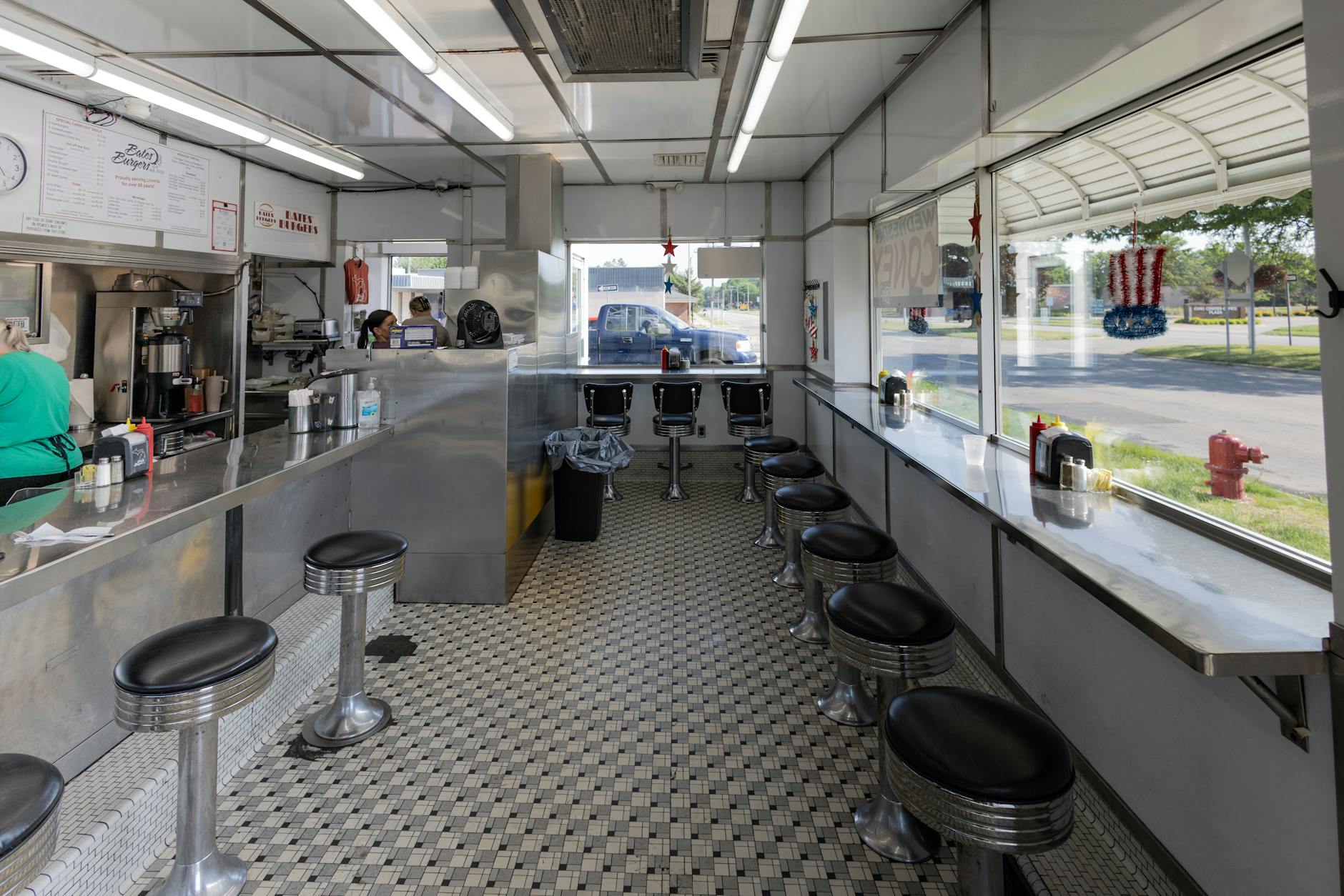
The Lunch Counter Nobody Talks About — Where a Southern City Quietly Let History Happen
There's a version of civil rights history that fits neatly into documentary footage and museum placards. Rosa Parks. The Edmund Pettus Bridge. The Woolworth's lunch counter in Greensboro, North Carolina, February 1, 1960 — four Black college students sitting down and refusing to leave. It's a story Americans know because it was documented, photographed, and eventually celebrated.
But history has a habit of leaving out the quieter chapters. And some of the most consequential ones happened in places that never saw a camera.
Before Greensboro, There Was Something Else
In the years between the end of World War II and the explosion of the sit-in movement, a small number of lunch counters and diners across the South integrated — not through protest, not through court orders, but through something far more unglamorous: a manager making a call, a cook refusing to draw a line, a counter worker pretending not to notice who sat down.
Historians who specialize in the civil rights era sometimes refer to these as "quiet integrations" — moments where segregation simply wasn't enforced, often in places where the owner calculated that the cost of confrontation outweighed the cost of just... letting it go. These weren't acts of bold moral courage in every case. Some were pragmatic. Some were accidental. A few were genuinely principled. But they all happened largely off the record, which is exactly why most Americans have never heard of them.
One of the most striking examples involves a small lunch counter in a mid-sized Southern city during the early 1950s — a place that served workers from a nearby industrial plant, Black and white, because the owner decided that men who worked the same shift could eat at the same counter. No announcement was made. No policy was posted. It just became the way things were, quietly, for years, before anyone with a notepad showed up to write about it.
Why the Cameras Weren't There
Part of what makes these stories so invisible is that invisibility was often the point. Owners who bent the rules of segregation had every reason not to advertise it. Local newspapers — many of them deeply invested in the social order of the time — weren't looking for these stories. And the Black communities who benefited from these small openings had good reason to be cautious about drawing attention to arrangements that could be reversed the moment someone made a fuss.
The Greensboro sit-ins worked, in part, because they were designed to be seen. The students who sat at that Woolworth's counter came prepared, dressed carefully, and had media contacts ready. The confrontation was the mechanism. The visibility was the strategy.
The quiet integrations worked differently — by avoiding confrontation entirely. And that's precisely why they vanished from the record.
The People Who Made It Happen
What's remarkable, when you dig into oral histories and the scattered academic research that exists on this subject, is how often the key figures were ordinary restaurant workers rather than owners or managers. A Black short-order cook who made it clear, through sheer presence and authority, that the kitchen ran his way. A white waitress who seated customers without asking questions and dared anyone to complain. A cashier who looked the other way.
These weren't people who thought of themselves as making history. They were people doing a job, navigating a brutal system, and occasionally finding a small seam in it where something different could exist — at least for a lunch hour.
Food historians have noted that the lunch counter occupied a unique social space in mid-20th century America. It was public enough to be a statement, but intimate enough — just a stool, a counter, a cup of coffee — that the politics of it could sometimes be quietly sidestepped. You weren't sharing a dinner table. You were just eating.
Why It Matters That We Missed It
There's a reason to care about these overlooked moments beyond historical completeness. The standard narrative of civil rights progress — confrontation, media coverage, legislation — is true, but it's incomplete. Change also happened in diners and lunch counters through accumulated small decisions made by people who left no paper trail.
That's a different kind of story about how societies actually shift. Not just through dramatic public action, but through countless private moments where someone chose not to enforce an unjust rule, and nobody made a scene about it.
The lunch counter as a site of civil rights history is well understood. What's less understood is that not all of that history announced itself. Some of it just happened, between the breakfast rush and the lunch crowd, in places that have since been torn down or turned into something else entirely.
Those stories didn't make the textbooks. But they happened. And the people who lived them knew it — even if nobody else was watching.
Curious about more overlooked moments in American food history? That's kind of our whole thing.