The Jar That Did Double Duty
Walk into any antique shop in the South, and you'll spot them: small glass jars with cheerful logos, sitting among the vintage mason jars and milk bottles. But these weren't just storage containers — they were the original packaging for America's most beloved cheese spread, pimento cheese, back when buying food meant getting something useful in return.
From the 1930s through the 1960s, brands like Kraft and Price's sold their pimento cheese in sturdy glass jars that families repurposed as drinking glasses once the last dollop was scraped clean. It was Depression-era practicality at its finest: get your sandwich filling and your glassware in one purchase.
When the South Went National
Pimento cheese started as a Southern kitchen staple, born from the simple marriage of sharp cheddar, mayonnaise, and diced pimentos. But the glass jar revolution turned it into something bigger — a pantry essential that found its way into lunch boxes from Atlanta to Detroit.
The genius wasn't just in the packaging. These commercial versions standardized what had been a highly personal recipe. Every Southern cook had their own ratio of cheese to mayo, their preferred level of pepper heat, their secret ingredient (often a dash of Worcestershire or a pinch of garlic powder). But the jarred versions created a baseline that Northern families could understand and embrace.
Grocery stores loved them too. Unlike the messy, made-to-order pimento cheese sold at deli counters, these jars stacked neatly, had a long shelf life, and didn't require any special handling. They occupied that sweet spot between convenience and homemade taste that mid-century America craved.
The Plastic Revolution Changes Everything
By the 1970s, food packaging was shifting toward lighter, cheaper materials. Plastic tubs and squeeze bottles promised easier storage and portion control. But something was lost in translation.
The new containers were purely functional — no secondary life as drinkware, no satisfying weight in your hand, no reason to keep them around once empty. The cheese spread itself began changing too, with stabilizers and preservatives that extended shelf life but flattened the sharp, tangy flavor that made pimento cheese special.
Northern markets, where pimento cheese had never developed the cultural roots it enjoyed in the South, gradually stopped carrying it altogether. Why dedicate shelf space to a regional specialty when you could stock more profitable processed cheese products?
The Craft Revival Nobody Saw Coming
Today's food scene would seem alien to those mid-century shoppers. We pay premium prices for items in mason jars, seek out small-batch producers, and obsess over ingredients lists. In this environment, pimento cheese is having an unexpected renaissance.
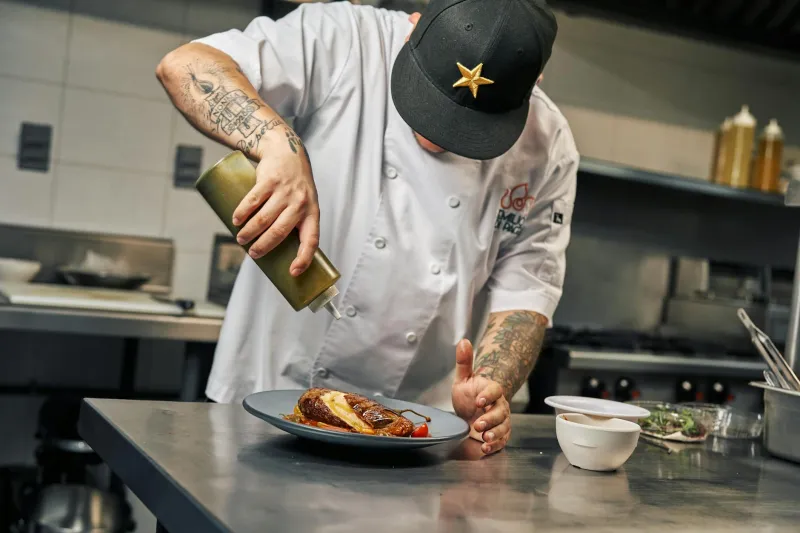
Chefs at upscale restaurants are rediscovering its versatility. It melts beautifully for grilled cheese, adds richness to mac and cheese, and works as a sophisticated appetizer when made with aged cheddars and quality mayonnaise. Food trucks serve pimento cheese burgers, and artisanal producers are bringing back the complex flavors that mass production had simplified.
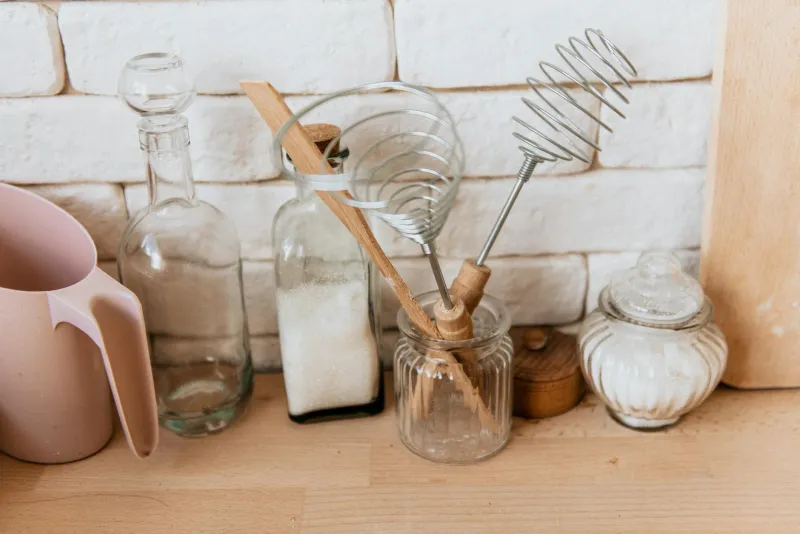
Some small companies are even returning to glass packaging, recognizing that the container itself tells a story about quality and tradition. These aren't the utilitarian jars of the past — they're designed as keepsakes, with vintage-inspired labels and premium finishes.
What We Lost and Found
The disappearance of glass jar pimento cheese represents more than just a packaging change. It marked the moment when convenience began trumping durability, when single-use became preferable to reusable, when efficiency mattered more than the small pleasures that made everyday tasks special.
But the revival suggests we're hungry for those connections again. In an age of disposable everything, there's something appealing about food that comes in a container worth keeping. The glass jar pimento cheese wasn't just about the cheese — it was about the ritual of finishing the jar, washing it carefully, and finding it a new purpose in the cabinet.
The next time you're spreading pimento cheese on crackers or melting it into a grilled cheese sandwich, remember: you're participating in a tradition that once connected kitchens across America, one glass jar at a time. And maybe, just maybe, it's worth seeking out the versions that still honor that connection between good food and the vessels that hold it.
The Comeback Trail
Modern pimento cheese makers are learning from both eras — combining the convenience that made the spread popular with the quality that made it beloved. They're using better ingredients, returning to regional variations, and yes, some are bringing back the glass.
It's a reminder that sometimes the old ways weren't just different — they were better. And in a world of plastic waste and planned obsolescence, the idea of food packaging that serves a second purpose feels almost revolutionary again.