The Rise and Fall of America's Original Baking Fat
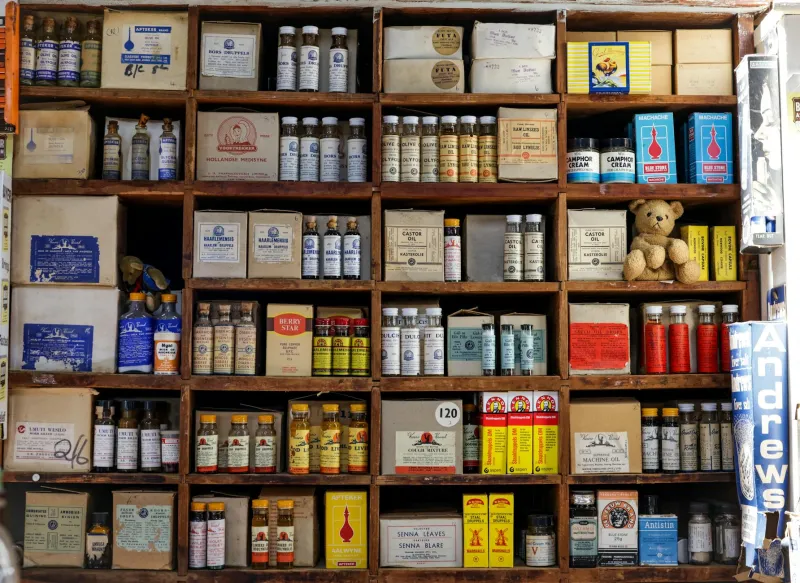
In 1911, Procter & Gamble launched one of the most successful marketing campaigns in American history. They didn't just sell a product — they convinced an entire nation to abandon a centuries-old ingredient that had been the backbone of American baking. The target of their campaign? Lard. The weapon? A revolutionary new product called Crisco, backed by advertising that would fundamentally change how Americans thought about cooking fat.
 Photo: Procter & Gamble, via clipartcraft.com
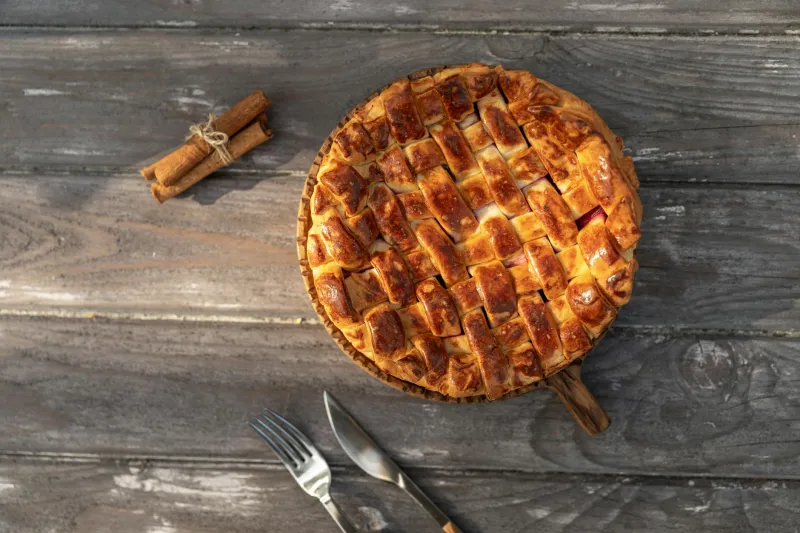
Before this marketing blitz, lard wasn't just another ingredient — it was the ingredient. From the frontier kitchens of the 1800s to the bakeries of early 20th-century cities, lard produced pie crusts so flaky they practically shattered at first bite, biscuits so tender they seemed to dissolve on the tongue, and fried foods with a clean, crisp texture that vegetable oils couldn't match.
The Science Behind the Magic
To understand why lard dominated American kitchens for so long, you need to understand what makes it special. Lard has a unique fat composition that creates textures other fats simply can't replicate. Its mixture of saturated and unsaturated fats melts at just the right temperature to create steam pockets in pastry dough, resulting in layers that separate into impossibly flaky crusts.
Unlike butter, which contains water that can make dough tough, or vegetable shortening, which lacks flavor complexity, lard provides pure fat with a subtle, almost neutral taste that enhances rather than competes with other flavors. Professional bakers knew this instinctively — lard wasn't just convenient, it was superior.
The fat also has remarkable stability. Properly rendered lard could be stored for months without refrigeration, making it invaluable in an era before reliable cold storage. Pioneer families crossing the continent carried lard in wooden barrels, using it not just for cooking but as a preservative for meat and a base for medicinal salves.
When Everything Changed
Procter & Gamble's genius wasn't just in creating Crisco — it was in how they positioned it. Their advertising campaign, launched with unprecedented scale and sophistication, painted lard as old-fashioned, unsanitary, and unhealthy. Print ads featured pristine white Crisco containers next to headlines promising "pure" and "clean" cooking, while lard was portrayed as a relic of less enlightened times.
The company distributed free cookbooks that featured recipes specifically designed for Crisco, often with instructions warning against substituting other fats. They sponsored cooking demonstrations and enlisted home economists to spread the message that modern families deserved better than the crude animal fats their grandmothers had used.
The timing was perfect. America in the 1910s and 1920s was rapidly urbanizing, with families moving away from farms where lard production was part of daily life. Urban consumers, disconnected from traditional food production, were ready to embrace products that seemed more scientific and hygienic than farm-rendered fats.
The Cultural Shift
By the 1930s, the transformation was largely complete. Cookbooks that had featured lard in nearly every baking recipe began recommending Crisco or butter instead. Home economics classes taught that vegetable shortening was more reliable and sanitary than animal fats. Even professional bakers, many of whom privately acknowledged lard's superior performance, began switching to avoid seeming behind the times.
The shift wasn't just about cooking — it reflected broader changes in American culture. Lard represented the old world of farm life and traditional skills, while Crisco symbolized modernity, science, and progress. Choosing Crisco became a way of signaling that your family was forward-thinking and sophisticated.
World War II accelerated the change as rationing made lard scarce while government campaigns promoted vegetable oils as patriotic alternatives. By the 1950s, an entire generation of American cooks had grown up without ever using lard, and the knowledge of how to render and use it began disappearing from mainstream cooking.
 Photo: World War II, via imgv2-2-f.scribdassets.com
The Ironic Twist
Here's where the story gets interesting: the health arguments used to promote Crisco over lard have largely been debunked by modern nutritional science. Lard is actually lower in saturated fat than butter and contains beneficial monounsaturated fats similar to those found in olive oil. Meanwhile, the trans fats that made early vegetable shortenings shelf-stable have been linked to serious health problems.
The "purity" argument was equally questionable. Traditional lard rendering, while labor-intensive, produced a remarkably clean product through simple heating and straining. Early Crisco production, by contrast, required industrial hydrogenation processes that created artificial trans fats — precisely the kind of "unnatural" manipulation that modern food critics worry about.
The Quiet Return
In recent years, a growing number of serious bakers and chefs have quietly returned to lard, drawn by results that speak for themselves. High-end restaurants now proudly feature lard-based preparations, while artisanal bakeries have rediscovered what their predecessors knew: that lard creates textures and flavors that modern substitutes can't match.
The revival isn't just happening in professional kitchens. Home bakers sharing results on social media have sparked renewed interest in lard-based recipes, particularly for pie crusts and traditional ethnic foods where authentic flavors matter. YouTube videos demonstrating lard rendering have garnered hundreds of thousands of views from curious cooks wanting to try techniques their great-grandmothers considered basic skills.
Small-scale farms are responding to this renewed interest by offering high-quality leaf lard — the premium fat from around pig kidneys that produces the finest baking results. Farmers markets that might have struggled to sell lard a decade ago now find it selling out to customers seeking alternatives to industrial cooking fats.
Lessons in Marketing and Memory
The lard story offers a fascinating case study in how marketing can reshape not just consumer preferences but cultural memory itself. Within a single generation, Procter & Gamble managed to convince Americans that an ingredient their ancestors had relied on for centuries was suddenly primitive and unhealthy.
The campaign's success demonstrates the power of positioning new products not just as different but as morally superior. Crisco wasn't just another cooking fat — it was progress, cleanliness, and modern living. Choosing it became an act of self-improvement rather than simple product selection.
The Future of Forgotten Techniques
As lard slowly regains acceptance among serious cooks, it raises questions about what other traditional techniques and ingredients we might have abandoned too hastily. The assumption that newer is always better — so central to 20th-century American culture — is being challenged by a generation of cooks who value results over marketing claims.
The lard revival also reflects broader trends toward traditional food preparation and skepticism of industrial processing. In an era when consumers increasingly want to know where their food comes from and how it's made, the simple process of rendering lard from pastured pigs appeals to those seeking alternatives to heavily processed ingredients.
For adventurous home bakers willing to experiment, lard offers a direct connection to centuries of American baking tradition. The same fat that helped build a nation's cuisine is still available to anyone curious enough to try it — and the results might just convince you that sometimes, the old ways really were better.