The Vinegar Jar That Lived on Every Kitchen Counter — Until Big Food Made Us Forget
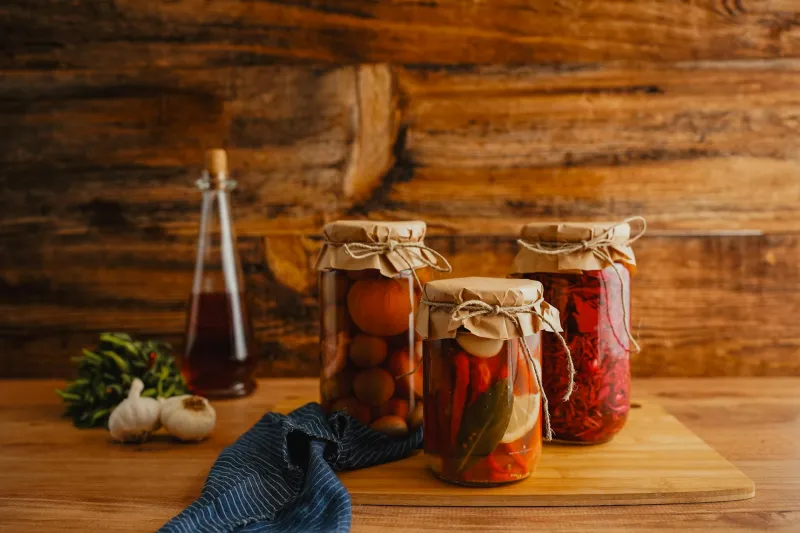
Walk into any Southern diner worth its grits, and you might spot a mysterious glass jar filled with what looks like pickled peppers swimming in amber liquid. That's pepper vinegar — America's original hot sauce that predates Tabasco by decades and puts most modern condiments to shame.
The Table Staple That Time Forgot
Before the 1950s, pepper vinegar sat on American dinner tables like salt and pepper do today. Families across the South, Appalachia, and rural Midwest kept mason jars filled with hot peppers steeping in white vinegar, creating a fiery condiment that packed more punch than anything you'll find in today's hot sauce aisle.
The process was beautifully simple: stuff a jar with fresh hot peppers — usually cayenne, bird's eye, or whatever grew in the backyard — cover with white vinegar, and let time work its magic. After a few weeks, the vinegar transformed into liquid fire, while the peppers became tender and complex.
What made pepper vinegar special wasn't just the heat. The fermentation process created layers of flavor that modern hot sauces, with their stabilizers and preservatives, can't replicate. The vinegar base meant it enhanced food rather than masking it, adding brightness and acidity along with the burn.
Why America Abandoned Its Homemade Heat
The decline of pepper vinegar reads like a case study in how convenience culture reshapes our tables. When commercial hot sauce production ramped up in the 1960s, companies like McIlhenny (Tabasco) and Durkee flooded supermarkets with shelf-stable bottles that promised consistent heat without the work.
Bottled hot sauce offered something homemade pepper vinegar couldn't: predictability. Every drop delivered the same level of heat, the same flavor profile, the same experience. For busy families embracing processed foods, that consistency felt like progress.
The shift also coincided with Americans moving away from preservation traditions. Canning, fermenting, and pickling — skills that sustained families for generations — began feeling outdated as frozen and packaged foods promised liberation from kitchen drudgery.
The Science Behind the Superior Sauce
What pepper vinegar makers understood intuitively, food scientists now confirm: slow fermentation creates complex flavors that industrial processing can't match. When peppers steep in vinegar for weeks or months, enzymes break down cell walls, releasing compounds that create depth and nuance.
The acetic acid in vinegar also acts as a natural preservative, meaning pepper vinegar could sit at room temperature for months without spoiling — a crucial advantage before reliable refrigeration. Unlike water-based hot sauces that require pasteurization, pepper vinegar stayed fresh through natural chemistry.
The heat distribution was different too. While modern hot sauces hit your tongue with immediate fire, pepper vinegar built slowly, allowing you to taste food before the burn kicked in. That delayed reaction meant people could actually season with it, not just endure it.
The Quiet Revival Nobody's Talking About
Drive through rural Kentucky, Tennessee, or North Carolina today, and you'll find pepper vinegar making a stealth comeback. Small-batch producers at farmers markets sell variations that would make your ancestors proud: ghost pepper vinegar, habanero blends, even fruit-pepper combinations that blur the line between condiment and cocktail mixer.
Restaurants are catching on too. James Beard Award-winning chefs now keep house-made pepper vinegar behind the bar, treating it like a secret weapon for elevating everything from oysters to barbecue. The fermentation movement that brought us kombucha and kimchi has rediscovered what Southern grandmothers never forgot.
Home fermenters are pushing the tradition forward with techniques that would surprise Depression-era cooks. Some add fruit for sweetness, others experiment with exotic pepper varieties, and a few ambitious souls age their vinegar in bourbon barrels for added complexity.
Why Your Kitchen Needs This Forgotten Fire
Pepper vinegar delivers something modern condiments can't: customization. Make it with jalapeños for mild heat, habaneros for serious fire, or Carolina Reapers if you enjoy pain. The vinegar base means it brightens everything it touches — perfect for cutting through rich foods without overwhelming delicate flavors.
The technique is foolproof: fill a clean jar with fresh hot peppers, cover completely with white vinegar, and wait. In two weeks, you'll have mild pepper vinegar. After two months, you'll have liquid lightning that makes Tabasco taste like ketchup.
Unlike expensive artisanal hot sauces that cost more per ounce than premium bourbon, pepper vinegar costs pennies to make and improves with age. One jar can last months, getting more complex as the peppers continue their slow dance with the vinegar.
The Condiment That Deserves a Comeback
Pepper vinegar represents something we've lost in our rush toward convenience: the satisfaction of creating something better at home than what money can buy in stores. It connects us to generations of cooks who understood that the best flavors come from patience, not processing plants.
In a world of sriracha shortages and hot sauce hype, maybe it's time to remember the condiment that never let America down. Your great-grandmother's pepper vinegar wasn't just hot sauce — it was liquid tradition that improved everything it touched.
And unlike the latest trendy condiment, this one's been tested by time.