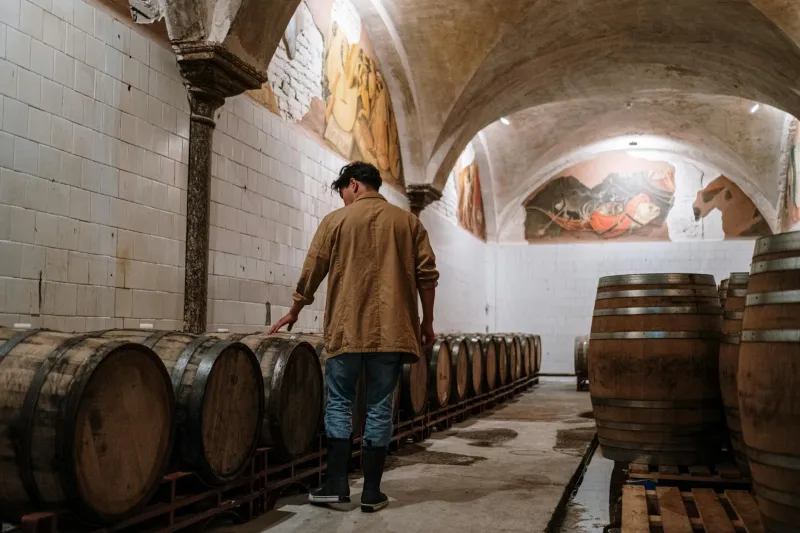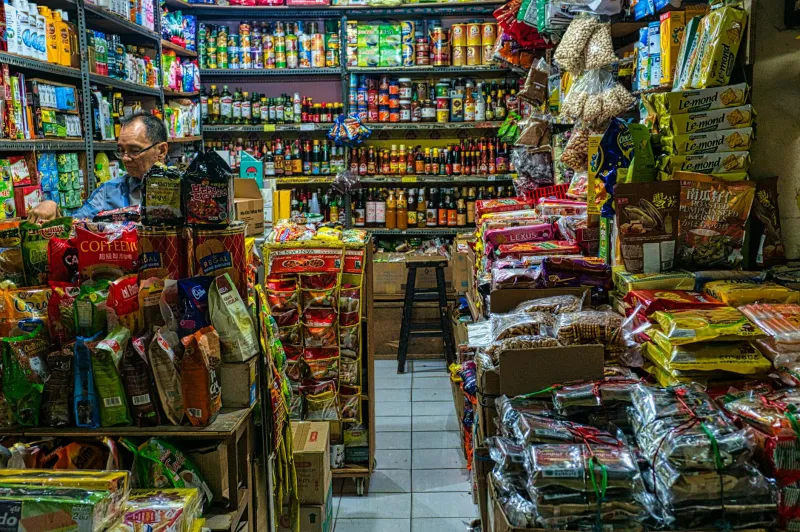
Ask anyone from Wisconsin about Woodman's, or mention Wegmans to an upstate New Yorker, and watch their eyes light up with the kind of loyalty usually reserved for sports teams. While America obsessed over Whole Foods' organic revolution, these regional grocery chains were quietly doing something more radical: actually serving their communities better than any national chain ever could.
The Grocers That Became Local Legends
Scattered across America, family-owned and regional grocery chains built followings so devoted that people plan vacations around visiting them. These aren't your typical supermarkets — they're food destinations that understand something corporate boardrooms never figured out: great grocery stores aren't built on spreadsheets, they're built on relationships.
Take Jungle Jim's in Ohio, a 300,000-square-foot wonderland that stocks everything from 1,400 varieties of cheese to imported candies from countries most people can't pronounce. Or consider H-E-B in Texas, beloved enough that locals wear the logo like a badge of honor and the chain regularly tops customer satisfaction surveys that leave Whole Foods in the dust.
These regional powerhouses share common DNA: they know their customers' names, stock products that reflect local tastes, and treat food sourcing like a personal mission rather than a marketing campaign.
Why Local Beats Global Every Single Time
While Whole Foods spent millions convincing customers that expensive equals better, regional chains built trust the old-fashioned way: by consistently delivering what their communities actually wanted. They didn't need to educate customers about organic produce because they'd been sourcing from local farms since before "farm-to-table" became a buzzword.
The difference starts with procurement. When Wegmans wants to stock locally-made pasta sauce, the decision gets made by someone who lives in the community and knows the family behind the product. When Walmart considers the same sauce, it goes through corporate committees in Arkansas who've never tasted the product or met the maker.
This local connection creates a ripple effect that transforms entire food ecosystems. Regional grocers become launching pads for local food producers who can't afford the slotting fees that national chains demand. A successful hot sauce or artisanal cheese at the regional level often becomes the foundation for a thriving local food business.
The Science of Community-Driven Commerce
Regional grocers understand something that business schools are just now teaching: customer loyalty isn't built on price or convenience alone, it's built on emotional connection. When shoppers feel like stakeholders in their grocery store's success, they become evangelists rather than just customers.
This emotional investment shows up in measurable ways. Regional chains consistently outperform national competitors in customer satisfaction surveys, employee retention rates, and community engagement metrics. Employees who feel connected to their community work harder and stay longer, creating institutional knowledge that corporate chains can't replicate.
The financial model works differently too. Instead of maximizing profits through scale and efficiency, regional chains optimize for customer lifetime value and community impact. They'll stock low-margin local products because they drive foot traffic and build loyalty, while national chains eliminate anything that doesn't hit predetermined profit thresholds.
The Products You Can't Find Anywhere Else
Step into a great regional grocery store, and you'll discover products that don't exist in corporate chains — not because they're not profitable, but because they serve markets too small or specific for national distribution. These might be locally-made salsas that reflect regional taste preferences, craft sodas from nearby bottlers, or produce varieties that thrive in local growing conditions but ship poorly.
Publix in the Southeast stocks Southern staples like Duke's mayonnaise and White Lily flour that Yankees might not recognize but locals consider essential. Hy-Vee in the Midwest carries Iowa-made products that celebrate regional food traditions while supporting local manufacturers who can't compete on the national stage.
This isn't just about nostalgia — it's about biodiversity in food systems. Regional chains preserve food cultures that corporate homogenization threatens to erase. They're living museums of American food traditions, keeping alive flavors and products that would otherwise disappear.
Why the Big Chains Can't Compete
Corporate grocery chains optimize for efficiency and consistency, which sounds logical until you realize that food is inherently local, seasonal, and cultural. A supply chain designed to deliver identical experiences from Maine to California inevitably eliminates the very differences that make food interesting and communities unique.
Regional chains can pivot quickly when local preferences change or new producers emerge. If a local brewery starts making exceptional root beer, a regional grocer can have it on shelves within weeks. The same decision at a national chain requires months of corporate approvals, market testing, and distribution logistics that often kill momentum before products launch.
The staffing model differs fundamentally too. Regional chains hire from their communities and invest in long-term employee development, creating teams that understand local food cultures intimately. Corporate chains optimize labor costs through high turnover and standardized training that produces knowledgeable employees but not passionate advocates.
The Future Belongs to the Locals
As consumers increasingly value authenticity over convenience, regional grocery chains are positioned to thrive in ways that seemed impossible during the corporate consolidation wave of the 1990s and 2000s. The same technology that enabled global supply chains now allows regional players to compete more effectively through better inventory management, targeted marketing, and enhanced customer experiences.
Social media amplifies the regional advantage by turning satisfied customers into brand ambassadors who share their discoveries with networks that extend far beyond store footprints. A great regional grocery store becomes a destination that draws food tourists and creates economic impact that extends throughout the community.
The lesson isn't that big is bad or small is good — it's that the best grocery stores understand their role as community institutions first and retail operations second. They prove that in a world of increasing homogenization, the stores that celebrate local differences don't just survive, they thrive.
Next time you're traveling, skip the familiar chain and find the regional grocery store that locals swear by. You might discover that the future of food retail has been hiding in plain sight all along.