When Necessity Wore an Apron
Long before any chef ever uttered the phrase "locally sourced," Mabel Henderson was serving it up daily at Henderson's Lunch Counter in rural Nebraska. Every morning in 1954, she'd walk out her back door to see what vegetables her neighbor Jim had brought by, what meat the local butcher could spare, and what produce was cheap at the farmer's market that week. Then she'd write the day's specials on a chalkboard in handwriting that hadn't changed since the Roosevelt administration.
Mabel never called it farm-to-table. She called it Tuesday.
The Original Local Movement
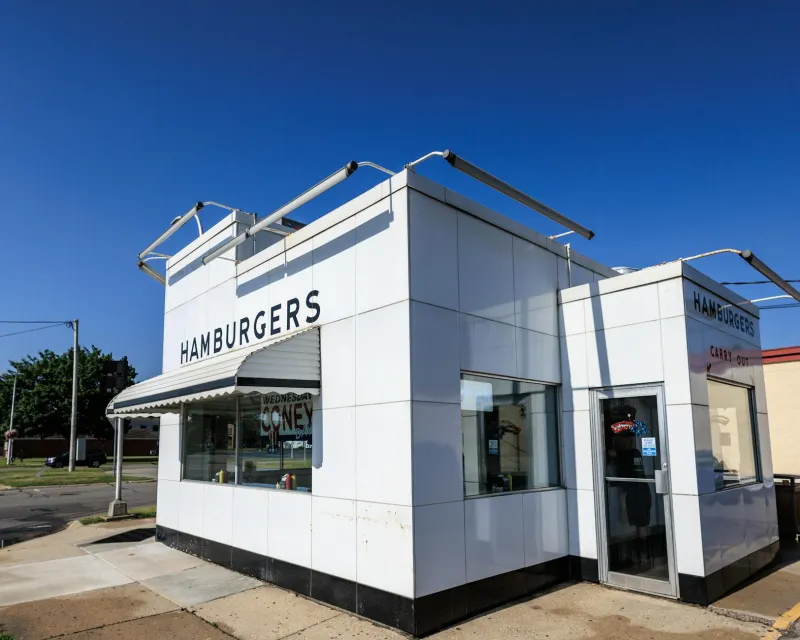
Across small-town America in the mid-20th century, thousands of family-owned diners were practicing what would later become a revolutionary restaurant philosophy — not because they were visionaries, but because they were broke. These weren't culinary pioneers making a statement about sustainable agriculture or seasonal eating. They were practical business owners working with whatever they could afford, which usually meant whatever was growing within a twenty-mile radius.
The economics were brutally simple: fresh ingredients from local farms cost less than shipped goods from distant suppliers. Seasonal vegetables were cheaper than imported ones. Day-old bread from the local bakery beat week-old bread from a regional distributor. These diner owners weren't making philosophical choices about food systems — they were making smart financial decisions that happened to align with principles that wouldn't become trendy for another fifty years.
The Accidental Cuisine
What emerged from this practical approach was something remarkable: a hyper-regional cuisine that changed with the seasons and reflected the specific agricultural character of each community. A diner in Iowa served different food than one in Georgia, not because they were trying to be authentic, but because they were cooking with completely different ingredients.
In apple country, diners served fresh apple pie in fall and dried apple dishes in winter. Near dairy farms, the daily specials always included something made with fresh cream or butter. Fishing communities meant fish specials that actually featured whatever had been caught that morning, not frozen fillets from a food service company.
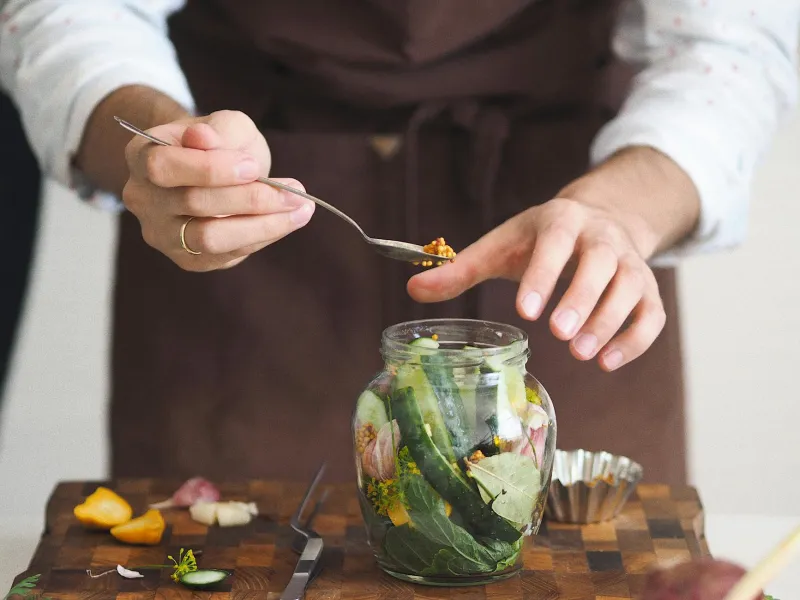
The menus told the story of the land around them in ways that modern farm-to-table restaurants spend fortunes trying to recreate. A handwritten sign reading "Fresh Corn Today" wasn't marketing — it was a simple statement of fact. The corn had been picked that morning, and when it was gone, it was gone until next season.
The Unintentional Philosophy
These diner owners developed an approach to cooking that today's culinary schools teach as advanced technique. They built relationships with local producers not to make a statement about sustainable agriculture, but because knowing the farmer meant getting first pick of the best produce at the best prices. They planned menus around seasonal availability not to honor the natural rhythms of the earth, but because strawberries in December would have bankrupted them.
The result was food that was fresher, more seasonal, and more connected to its place than almost anything you can find in restaurants today. The green beans at Murphy's Diner in rural Tennessee were picked that morning from a field you could see from the parking lot. The eggs were laid by chickens belonging to Murphy's sister-in-law. The bread was baked before dawn by the German baker whose family had been making the same recipe for three generations.
The Lost Art of Improvisation
Perhaps most remarkably, these diner cooks developed an extraordinary ability to improvise — to create satisfying meals from whatever ingredients happened to be available. They couldn't rely on consistent supply chains or standardized recipes. Instead, they learned to cook like their grandmothers had: with flexibility, creativity, and an intuitive understanding of how to make simple ingredients taste extraordinary.
This created a kind of cooking that was both deeply rooted in tradition and constantly evolving. The same diner might serve completely different specials from one week to the next, not because they were trying to keep things interesting, but because that's what was available and affordable. Regular customers learned to trust the cook's judgment rather than expecting the same menu every visit.
When Everything Changed
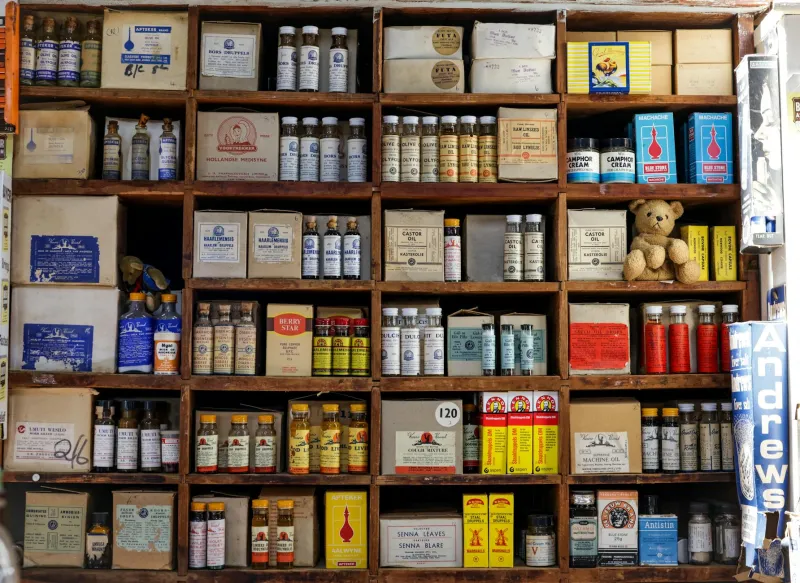
The transformation began in the 1960s and accelerated through the following decades. As food distribution systems became more efficient and reliable, it became easier and often cheaper for small restaurants to buy from large suppliers than to maintain relationships with local farms. Frozen and processed foods offered consistency and convenience that fresh, local ingredients couldn't match.
Customers, too, began expecting the same menu items to be available year-round. The idea that a diner might run out of tomatoes in winter, or that the fish special might actually depend on what fish were running, began to seem quaint rather than practical.
Franchise restaurants and fast-food chains offered a template for success that seemed to make the old way of doing things obsolete. Why struggle with the unpredictability of local sourcing when you could serve the same food, the same way, every day?
The Irony of Progress
By the time "farm-to-table" became a restaurant marketing term in the 1990s, most of the diners that had actually practiced it had either closed or adapted to the industrial food system. The philosophy that these practical business owners had lived by out of necessity was being rediscovered by upscale restaurants as a premium concept.
Today, restaurants pay consultants thousands of dollars to help them develop the kind of supplier relationships that small-town diner owners once maintained as a matter of survival. Chefs win awards for creating seasonal menus that change based on what's available locally — something that would have been considered basic common sense to any diner cook in 1955.
Lessons from the Lunch Counter
The story of these accidental farm-to-table pioneers offers more than just historical curiosity. It suggests that the most sustainable and delicious approaches to food often emerge from practical constraints rather than ideological commitments.
These diner owners understood something that many modern restaurants are still learning: that working within limits — seasonal limits, geographical limits, budget limits — often produces more creative and satisfying results than having unlimited options.
Their approach to cooking was both humble and sophisticated: humble in its acceptance of what was available, sophisticated in its ability to transform simple ingredients into memorable meals. They proved that you don't need exotic ingredients or complex techniques to create food that nourishes both body and community.
In our current era of global supply chains and year-round availability, there's something profound to be learned from these unintentional food philosophers who understood that the best meal might just be whatever's fresh, local, and cheap enough to put on the table today.