The Pizza Pilgrimage Nobody Talks About
Scott Wiener has eaten pizza in all 50 states. He's the founder of Scott's Pizza Tours in New York City, and he's spent the better part of two decades hunting down America's greatest slices. Ask him where to find the best pizza in any given city, and he'll probably point you toward a strip mall.
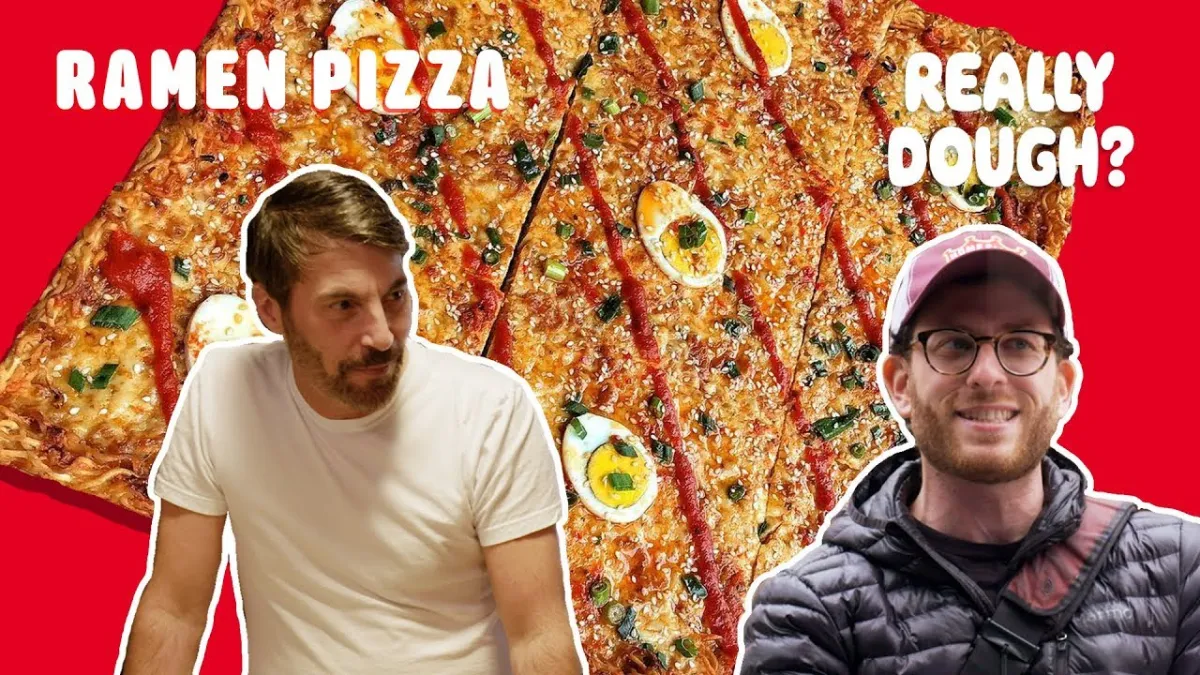 Photo: Scott's Pizza Tours, via i.ytimg.com
"The places that blow your mind are almost never the ones with James Beard nominations," Wiener explains. "They're in spaces that used to be Blockbuster Videos, run by families who've been making the same dough recipe for thirty years."
It's a counterintuitive truth that pizza fanatics across the country have quietly discovered: the most memorable pies often come from the most forgettable locations. While food magazines chase celebrity chefs and Instagram-worthy interiors, the real action is happening behind hand-painted signs in suburban strip centers.
The Economics of Excellence
There's actual logic behind the strip mall supremacy. When your rent is $3,000 a month instead of $30,000, you can afford to use better ingredients. You can take time to perfect your dough. You don't need to turn tables every 45 minutes to stay afloat.
Consider Tony's Little Star in Richmond, California. Tucked between a nail salon and a check-cashing place, this unassuming spot serves what many consider the Bay Area's best deep dish pizza. Owner Tony Gemignani doesn't need to worry about food costs the way his downtown counterparts do. He can afford to use San Marzano tomatoes and age his dough for days.
 Photo: Tony's Little Star, via images-na.ssl-images-amazon.com
Compare that to the trendy spots in major food destinations. High rent means pressure to maximize every square foot, every hour of service. The pizza might be good, but it's optimized for efficiency and Instagram appeal, not for the kind of obsessive attention to craft that creates transcendent food.
The Generational Advantage
Many of these strip mall gems share another crucial element: they're second or third-generation businesses. The recipes weren't developed by consulting focus groups or food scientists — they evolved through decades of daily practice.
At Santarpio's Pizza in Boston's East Boston neighborhood (technically not a strip mall, but sharing the same unglamorous aesthetic), the Polcari family has been making pizza the same way since 1933. The secret isn't just the recipe — it's the accumulated knowledge that comes from making thousands of pizzas, learning how dough behaves in different weather, understanding exactly when the oven is at its peak.
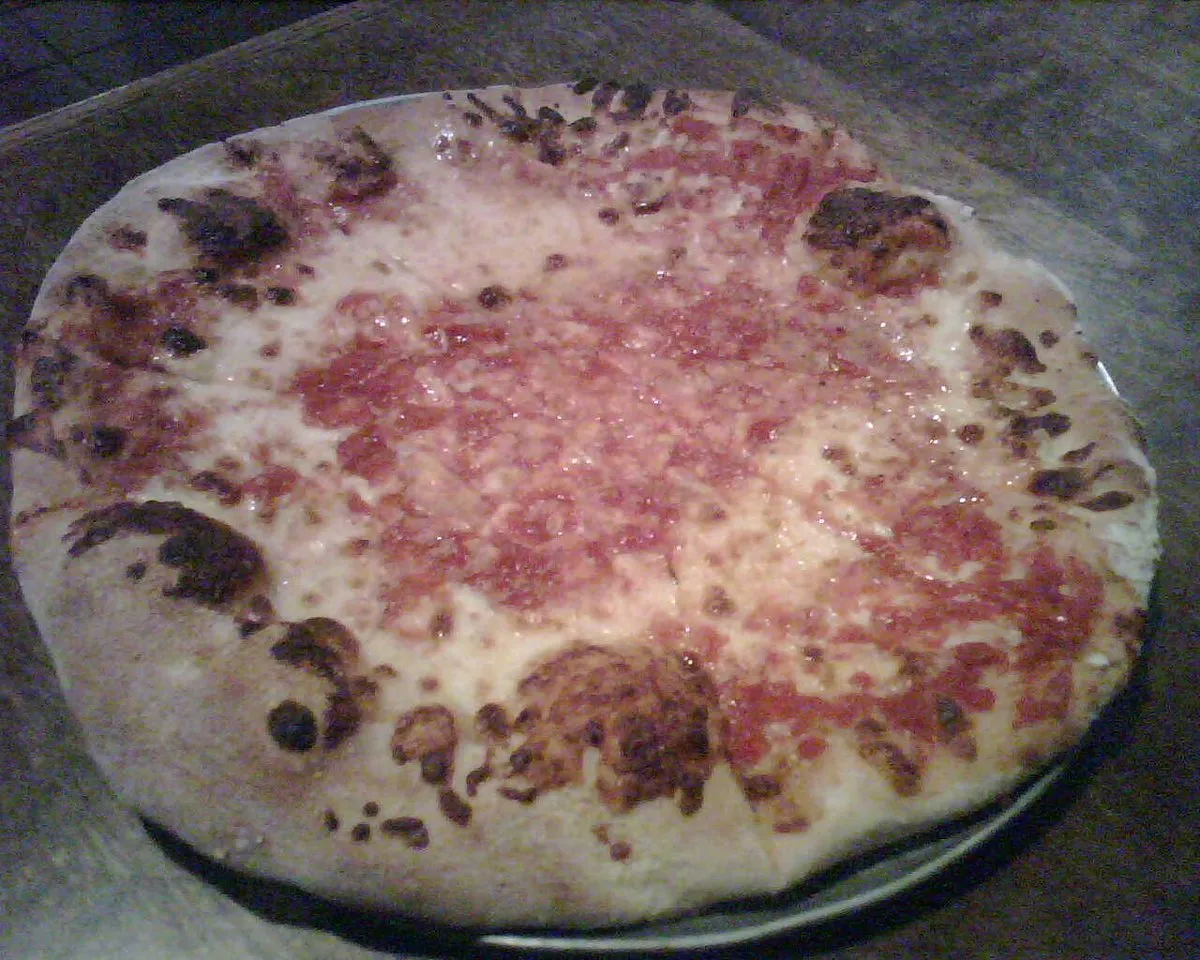 Photo: Santarpio's Pizza, via dynamic-media-cdn.tripadvisor.com
These generational pizzaiolos have something that celebrity chefs can't buy: time. Not just time to perfect their craft, but time to build relationships with suppliers, to understand their equipment intimately, to develop the kind of muscle memory that turns pizza-making into an art form.
The Anti-Marketing Revolution
Perhaps most importantly, strip mall pizza joints operate outside the modern food media ecosystem. They don't need to create buzz or maintain relevance on social media. They just need to make pizza that keeps locals coming back.
This freedom from marketing pressure creates a different kind of innovation. Instead of chasing trends or creating "signature" dishes designed to photograph well, these places focus on perfecting the fundamentals. The result is often pizza that tastes better than it looks — the opposite of much contemporary restaurant food.
Food writer Dan Nosowitz spent a year documenting strip mall pizza across the Midwest and discovered something surprising: "The best places actively avoid attention. They don't want food bloggers or magazine reviews. They want steady regulars who appreciate what they do."
The Hidden Network
There's an informal network of pizza obsessives who trade information about these hidden gems. They communicate through obscure forums, private Facebook groups, and word-of-mouth recommendations. It's like a secret society of people who understand that great pizza has nothing to do with ambiance or celebrity chefs.
These enthusiasts have developed their own criteria for identifying potential gems: cash-only operations (suggests they're not paying credit card processing fees to boost margins), hand-written menus (indicates they're not part of a corporate system), and locations that have clearly been pizza shops for decades (shows staying power in a notoriously difficult business).
What the Celebrities Are Missing
The irony is that many celebrity pizza makers started out in exactly these kinds of unglamorous spots. But success often forces them to scale up, move to better neighborhoods, and optimize for different priorities. The intimacy and attention to detail that made them special gets lost in the transition to food fame.
Meanwhile, the strip mall spots that never get discovered continue perfecting their craft in relative anonymity. They're not trying to revolutionize pizza — they're trying to make the best version of what pizza has always been.
The Search Continues
For pizza pilgrims, the hunt for strip mall excellence has become its own reward. There's something thrilling about discovering a transcendent slice in the most unlikely location, about finding a family that's been quietly perfecting their craft while the food world chases the next big thing.
The next time you're driving through an unfamiliar area and spot a pizza sign that's clearly been there since the Clinton administration, consider stopping. You might just discover that the best pizza in America doesn't need a reservation, a marketing budget, or a magazine review. It just needs dough, sauce, cheese, and someone who cares enough to make it right, one slice at a time.