Every March, the tiny town of Golden Hill, Maryland, transforms into something that would confuse the hell out of most Americans. Families drive for hours to attend the annual Muskrat Dinner, where hundreds of people gather in a church hall to eat slow-cooked marsh rodent served with traditional sides.
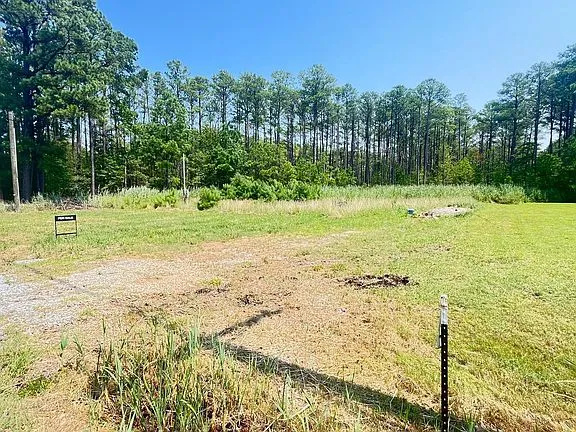 Photo: Golden Hill, Maryland, via photos.zillowstatic.com
It's been happening for over 80 years. The waiting list is three years long. And if you live outside of southern Maryland, you've probably never heard of it.
Welcome to America's hidden world of hyper-local food festivals — celebrations so specific to their regions that they make craft beer festivals look mainstream.
The Muskrat Underground
The Golden Hill Muskrat Dinner isn't some tourist trap or ironic hipster gathering. It's a deadly serious community tradition that connects Catholic families in southern Maryland to their marsh-dwelling heritage. Muskrat trapping was once essential to the local economy, and the church dinner preserves both the cooking techniques and the community bonds that sustained these families for generations.
"People don't understand — this isn't about eating weird food," explains longtime organizer Margaret Thompson. "This is about maintaining our connection to the land and to each other. The muskrat is just the vehicle."
The preparation is elaborate. Trappers spend weeks gathering muskrats from the Chesapeake Bay marshes. Church volunteers clean and prepare the meat using methods passed down through families. The cooking process takes three days, with specific techniques for removing gamey flavors and achieving the perfect texture.
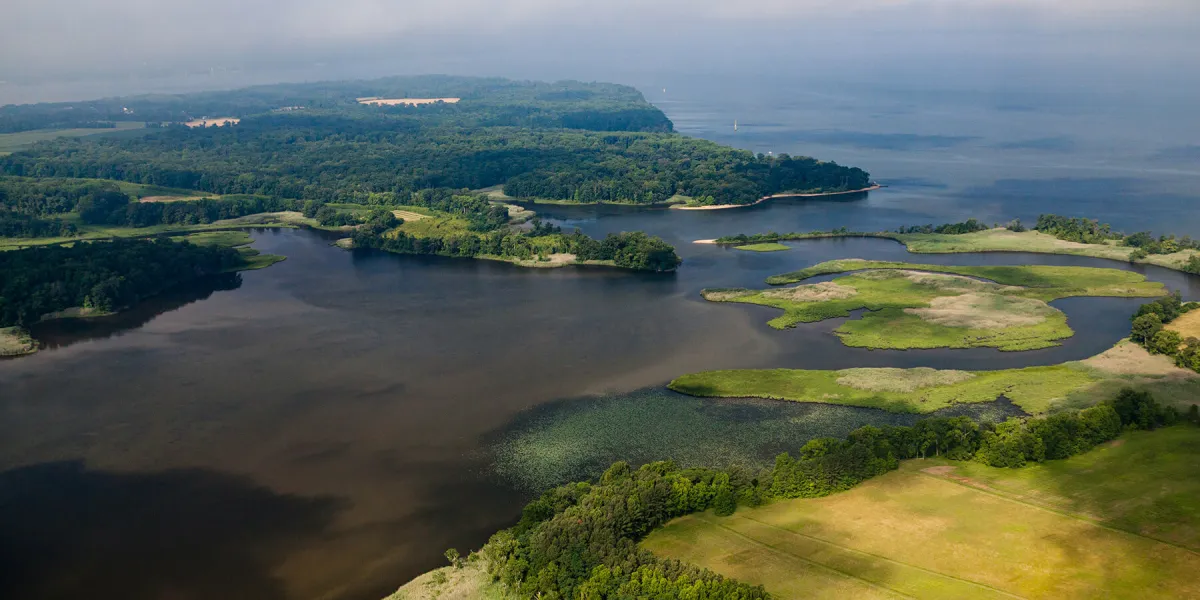 Photo: Chesapeake Bay, via www.chesapeakebay.net
Tickets sell out within hours of going on sale. Families plan vacations around the dinner. And the recipe? That's guarded more closely than most state secrets.
Kentucky's Mystery Stew
Three hours south, the town of Lawrenceburg, Kentucky, hosts something equally mysterious — the annual Burgoo Festival. Burgoo is a thick stew that defies easy description. Depending on who's making it, burgoo might contain beef, pork, chicken, lamb, venison, rabbit, squirrel, or any combination thereof. Plus vegetables. Lots of vegetables.
The exact recipe is different for every cook, and most burgoo masters guard their methods like trade secrets. What unites all burgoo is the cooking process — it's prepared in massive quantities (we're talking 100-gallon batches) and stirred constantly for 12-20 hours.
"Burgoo isn't just food — it's a community project," says festival organizer Bobby Ray Johnson. "You can't make real burgoo by yourself. It requires teams of people working in shifts, stirring, adding ingredients, tasting, adjusting. The cooking process brings people together as much as the eating does."
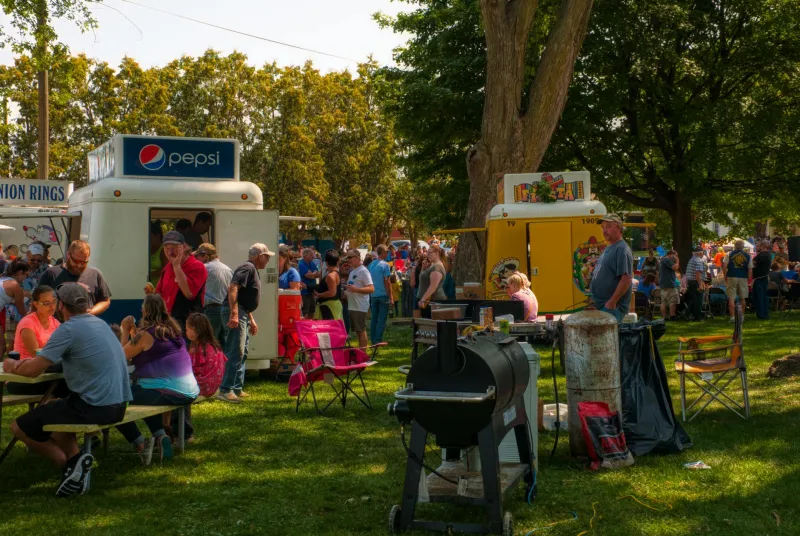
The Lawrenceburg festival draws over 10,000 people annually, but ask anyone outside of central Kentucky about burgoo and you'll get blank stares. It's a regional obsession that never crossed state lines.
The Possum Drop That Went Too Far
Not all local food festivals survive modern sensibilities. Brasstown, North Carolina, used to host the famous "Possum Drop" on New Year's Eve — a celebration that combined community dining on possum stew with dropping a live opossum in a plexiglass container at midnight (the opossum was always released unharmed).
PETA protests eventually shut down the live animal portion, but the possum feast continues in private homes and hunting clubs throughout Appalachia. The recipes — which involve elaborate preparation to remove the animal's naturally strong flavor — represent generations of mountain cooking wisdom that most Americans will never encounter.
The Pickle Festival That Rules Pennsylvania
Meanwhile, in Robesonia, Pennsylvania, the annual Pickle Festival celebrates not just pickles, but the entire culture of Pennsylvania Dutch food preservation. This isn't your grocery store pickle aisle — we're talking about pickled vegetables that most Americans have never seen.
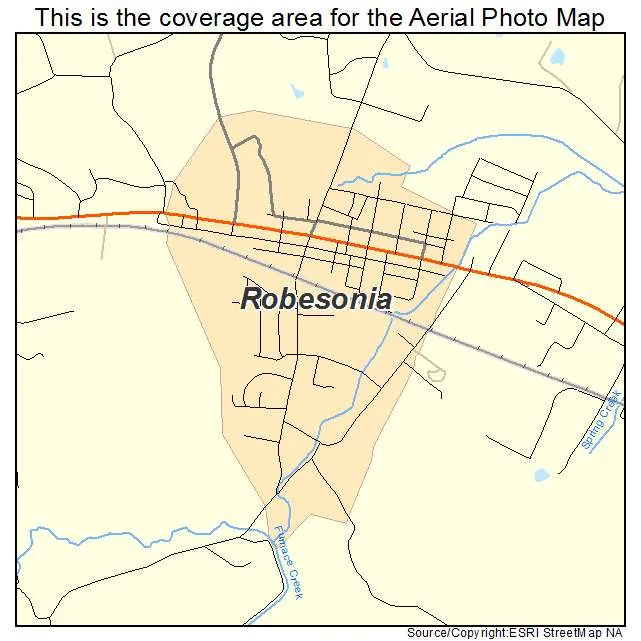 Photo: Robesonia, Pennsylvania, via www.landsat.com
Pickled beets. Pickled eggs. Pickled pig's feet. Pickled watermelon rinds. Seven different varieties of pickled cabbage. Pickled green tomatoes prepared six different ways. The festival showcases preservation techniques that sustained Pennsylvania German communities for centuries.
"Modern Americans think pickling means cucumbers in vinegar," explains festival founder Ruth Zimmerman. "Our grandmothers pickled everything. It was how you survived winter. These recipes represent survival knowledge that most people have completely forgotten."
The festival draws serious food preservers from across the Mid-Atlantic, but remains virtually unknown outside Pennsylvania German communities.
Why These Festivals Matter
These hyper-local food celebrations aren't just quirky tourist attractions — they're repositories of American food knowledge that exists nowhere else. Each festival preserves cooking techniques, ingredient combinations, and community traditions that would otherwise disappear.
The muskrat dinner maintains marsh-to-table eating that predates the farm-to-table movement by decades. The burgoo festival preserves communal cooking methods that once fed entire towns during harvest season. The pickle festival maintains food preservation wisdom that could teach modern homesteaders a thing or two.
"These festivals are like culinary time capsules," notes food anthropologist Amy Trubek. "They preserve not just recipes, but entire food systems — ways of thinking about ingredients, community, and the relationship between food and place."
The New Weird
Interestingly, some communities are creating new hyper-local food traditions. The town of Gilroy, California, built an entire festival culture around garlic. Stockton, Utah, celebrates asparagus. These newer festivals often start as agricultural marketing events but evolve into genuine community traditions.
The key ingredient isn't the food itself — it's the community commitment to making something local feel special. Whether it's muskrat or asparagus, these festivals work because they give communities a reason to gather, celebrate their distinctiveness, and pass knowledge to the next generation.
Finding the Hidden Festivals
Most of these celebrations don't advertise beyond local newspapers and church bulletins. They don't have Instagram-worthy marketing campaigns or celebrity chef appearances. They exist for their communities, not for outsiders.
But if you're willing to dig into local newspapers, church websites, and community Facebook groups, you'll find a hidden world of American food culture that makes the most exotic restaurant look tame. Just don't expect the recipes to be shared easily — some secrets are worth keeping.