Every morning at 5:30 AM, Joe Kowalski would pack his dinner pail with the precision of a chef preparing for service. Cold pierogi filled with potato and onion. Thick slabs of kielbasa wrapped in wax paper. A mason jar of sauerkraut that had been fermenting in his basement for weeks. Maybe some pickled eggs if his wife had made a fresh batch.
By the time Joe's shift ended at the Ford Rouge Plant in Dearborn, that tin bucket would deliver a meal more complex, flavorful, and satisfying than most of what passes for lunch in today's office buildings.
Welcome to the lost world of the American pail lunch — the sophisticated cold-meal culture that fed industrial America for nearly a century.
The Science of the Bucket
The dinner pail wasn't just a container — it was a carefully engineered food preservation system. Those seemingly simple tin buckets, with their tight-fitting lids and sometimes multiple compartments, were designed to keep food safe and flavorful for 8-12 hours without refrigeration.
Workers developed an intricate understanding of food science that would impress modern meal preppers. They knew which foods improved with time (like marinated vegetables), which stayed fresh longest (cured meats and hard cheeses), and how to pack everything to prevent spoilage and maintain texture.
"The pail lunch was all about optimization," explains labor historian Alice Kessler-Harris. "These workers had to maximize nutrition, flavor, and satisfaction within very specific constraints — no heating, limited space, and food that had to last all day."
 Photo: Alice Kessler-Harris, via www.wilsoncenter.org
The most successful pail lunches followed unwritten rules that modern nutritionists would recognize immediately: balance protein with vegetables, include fermented foods for gut health, and focus on whole ingredients rather than processed foods.
Regional Genius
What made pail lunch culture truly remarkable was how it reflected America's immigrant communities and regional food traditions. In Pennsylvania coal towns, miners packed pierogies and sauerkraut. In Michigan auto plants, Italian workers brought focaccia sandwiches with cured meats and pickled vegetables. Southern textile workers packed cornbread with country ham and pickled okra.
Each community developed signature techniques for maximizing flavor in cold preparations. Polish workers mastered the art of marinated vegetables that got better as they sat. Italian families perfected oil-based salads that stayed fresh for hours. German immigrants brought sausage-making skills that created proteins specifically designed for pail lunches.
These weren't random food combinations — they were carefully developed systems that had been refined over generations.
The Lost Art of Cold Cooking
Modern Americans have largely forgotten how to make food that tastes better cold than hot. But pail lunch masters understood that certain preparations actually improved without heating.
Take the classic Italian "pail sandwich" — thick slabs of crusty bread layered with cured meats, aged cheese, pickled peppers, and olive oil. The key was assembly timing. Made fresh, it was good. Made the night before, it was transcendent. The oil soaked into the bread, the flavors married, and the whole thing developed a complexity that no hot sandwich could match.
Similarly, German workers perfected cold sausage and sauerkraut combinations that delivered more flavor than most hot meals. The fermented cabbage provided probiotics and vitamin C, while the cured meats supplied protein and fat that sustained energy through long shifts.
The Economics of Excellence
Here's what's most impressive about pail lunch culture — it delivered gourmet-level satisfaction on a shoestring budget. While middle-class office workers were buying expensive restaurant lunches, factory workers were eating meals that cost pennies but delivered superior nutrition and flavor.
This wasn't about making do with less. It was about making more with less. Families would cure their own meats, ferment their own vegetables, and bake their own breads specifically for pail lunches. The investment in time and technique produced meals that would cost $15-20 in today's artisanal lunch market.
"The pail lunch represented a level of food sophistication that most Americans have completely lost," notes food writer Michael Pollan. "These workers understood ingredients, preservation, and flavor in ways that put most modern eaters to shame."
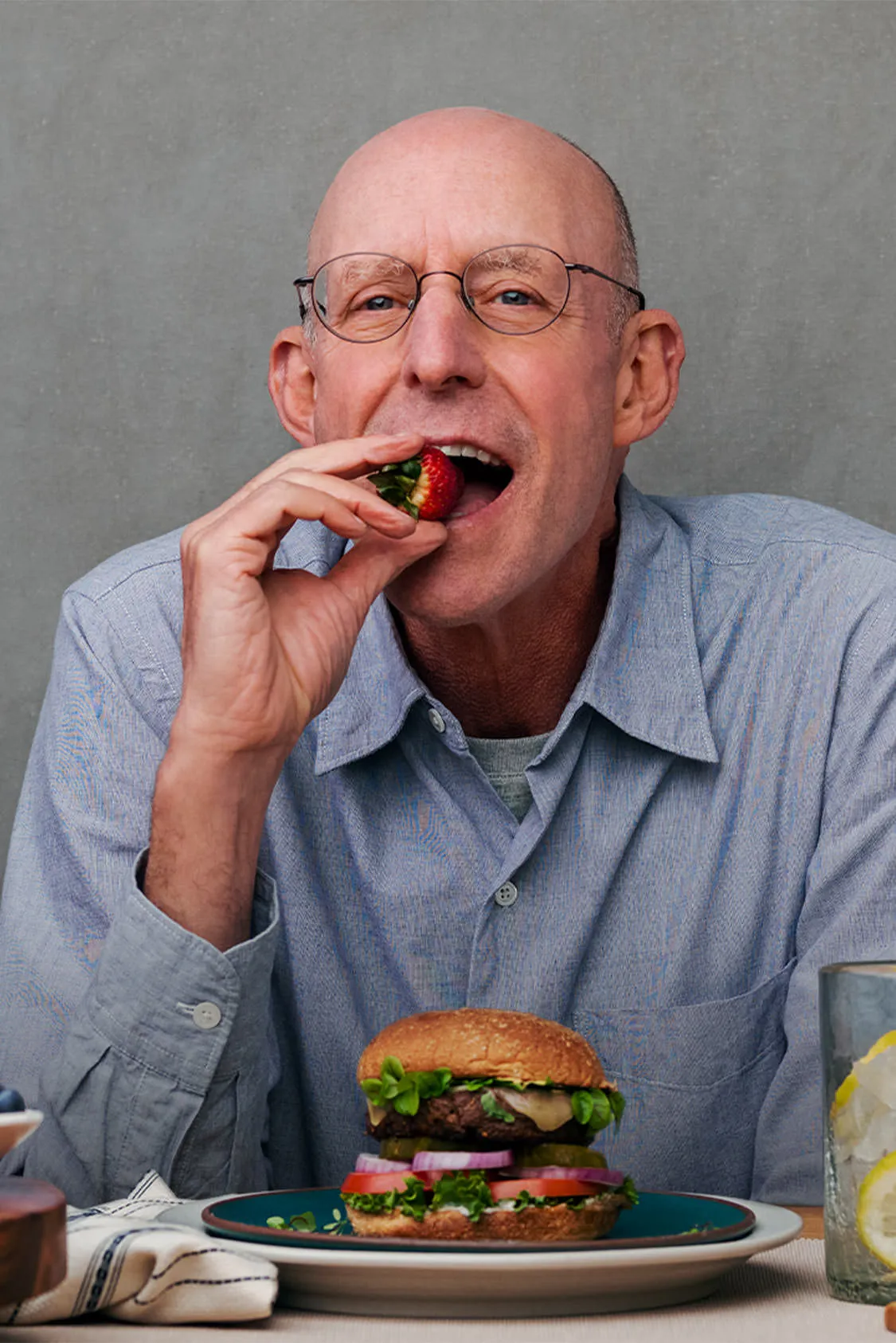 Photo: Michael Pollan, via www.masterclass.com
What We Lost
Compare that tradition to today's office lunch culture. Expensive salads that wilt by noon. Sandwich combinations that get soggy within hours. Meal delivery services that charge premium prices for reheated industrial food.
The decline of pail lunch culture wasn't just about changing work patterns — it was about losing food knowledge. When factories closed and office work expanded, America abandoned generations of wisdom about cold food preparation, preservation, and flavor development.
Modern meal prep tries to recreate some of this knowledge, but most approaches miss the sophistication of the original pail lunch system. Today's meal preppers focus on portion control and convenience. Pail lunch masters focused on flavor, satisfaction, and turning simple ingredients into memorable meals.
The Revival That Isn't
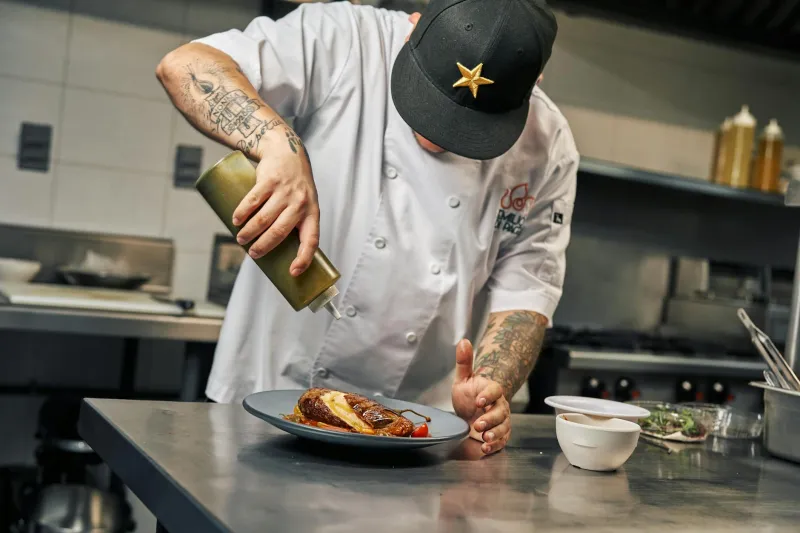
Interestingly, some of the most innovative restaurants today are rediscovering pail lunch principles. High-end chefs are experimenting with cold preparations, fermented vegetables, and oil-based flavor systems that mirror what factory workers perfected decades ago.
But the real revival is happening in home kitchens, where a new generation of cooks is discovering that the best packed lunches aren't heated in microwaves — they're designed to be eaten cold, with flavors that develop and improve over time.
The next time you're struggling with another sad desk salad, remember Joe Kowalski and his dinner pail. In a world of expensive lunch options and disappointing convenience foods, maybe it's time to learn from the masters of the tin bucket.