The Beef Grade That Disappeared From Supermarkets — And Why Slow Cooks Are Hunting It Down Again
The Beef Grade That Disappeared From Supermarkets — And Why Slow Cooks Are Hunting It Down Again
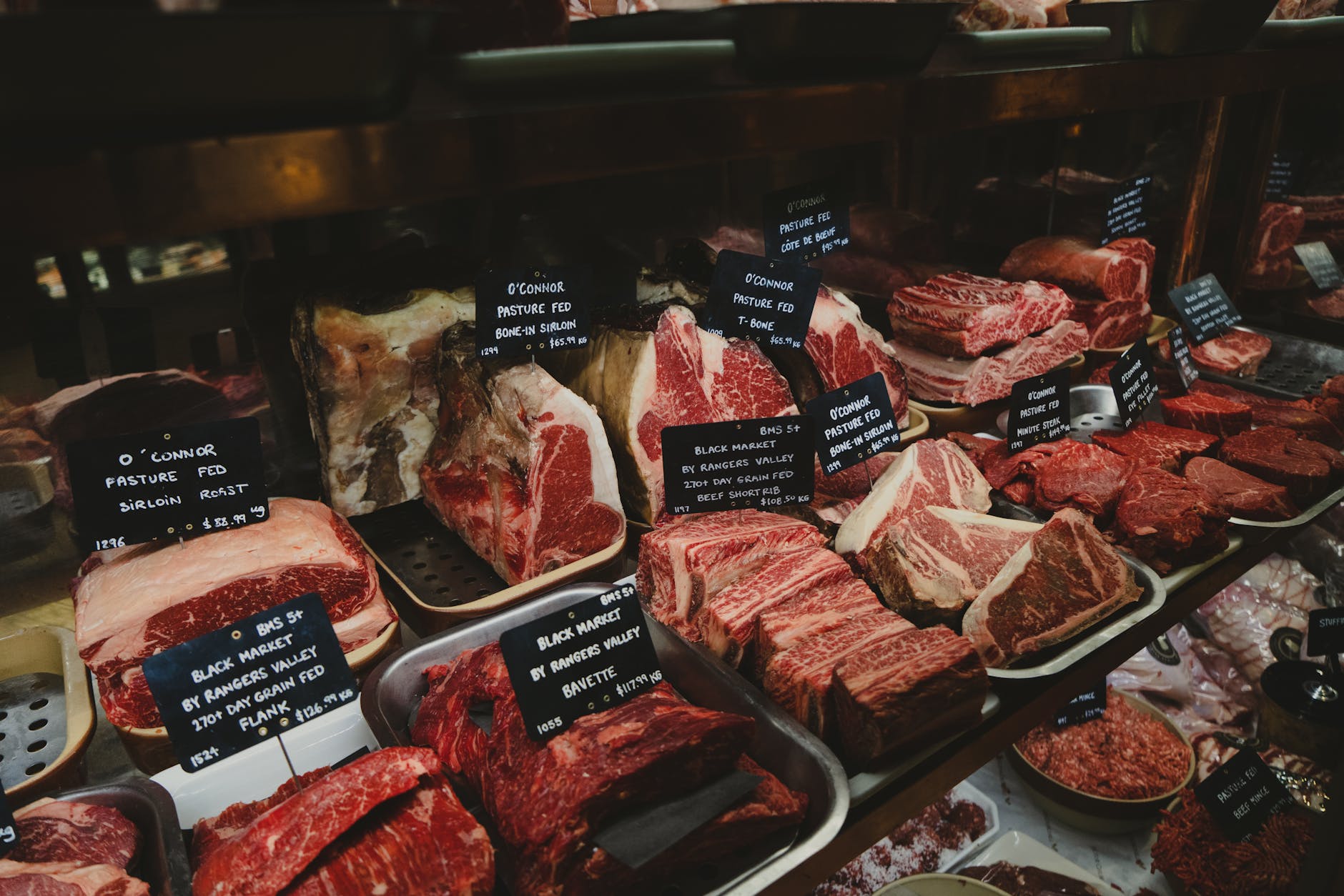
Walk into most American supermarkets today and the beef section tells a pretty simple story: Select at the low end, Choice in the middle, Prime at the top if you're feeling flush. Maybe some wagyu if the store is trying to make a statement. That's more or less the whole menu.
But that wasn't always the picture. For decades, American grocery stores stocked beef grades that have since vanished almost entirely from public retail — most notably USDA Standard and USDA Commercial. And the people who knew how to cook them? They didn't miss them quietly. Some of them are actively tracking those grades down again.
A Quick Primer on How Beef Grading Actually Works
The USDA grades beef primarily on two factors: marbling (the intramuscular fat that makes meat tender and flavorful) and the maturity of the animal at slaughter. The grades most Americans know — Prime, Choice, Select — sit at the top of that scale, representing younger cattle with varying degrees of fat marbling.
Below Select, though, the scale continues. USDA Standard comes from young cattle with very little marbling. USDA Commercial comes from older cattle — often dairy cows that have finished their productive years — and carries a different flavor profile and texture than grain-finished beef. Below those sit Utility, Cutter, and Canner, which go almost entirely into processed products.
Standard and Commercial aren't bad beef. They're lean beef from animals that lived differently, and they require a different approach in the kitchen. That distinction turned out to matter enormously for how they were marketed — and eventually, how they disappeared.
Why They Vanished From the Meat Case
The short version is that American food culture in the latter half of the 20th century made a decisive turn toward convenience and visual appeal. Marbled beef looks better in a display case. It cooks more forgivingly. You can throw a well-marbled Choice ribeye on a hot grill and get a good result without much technique. Standard and Commercial grades are not so forgiving — cook them the same way and you'll get something tough and disappointing.
As supermarkets competed for customers and beef producers competed for shelf space, the grades that required cooking knowledge to unlock their potential got squeezed out. They weren't bad products. They were products that demanded something from the cook, and the market had decided it didn't want to make that demand.
There's also an institutional shift worth noting. Commercial-grade beef — particularly from dairy cattle — moved heavily into the foodservice and processing industries. It became the beef in your fast food burger, your frozen dinner, your deli counter ground beef blend. It didn't disappear from the food supply. It disappeared from the part of the food supply where you could see it, buy a specific cut, and make a deliberate choice about how to cook it.
What These Grades Actually Taste Like
Here's where it gets interesting for anyone who loves to cook. Standard-grade beef from young cattle is genuinely lean — comparable in fat content to some cuts of pork or chicken thigh — but it carries clean, direct beef flavor without the richness that heavy marbling brings. For slow cooking applications, that leanness is actually an asset. Braised in liquid with aromatics and acid, a Standard-grade chuck or round develops a depth of flavor that doesn't get muddied by excess fat rendering out.
Commercial-grade beef from mature dairy cattle is a different animal entirely — literally. Older cattle develop more complex muscle fiber and a more pronounced, almost gamey beef flavor that many experienced cooks find preferable for certain applications. Classic pot roast recipes, long-simmered ragù, and old-school beef stew all benefit from meat that has some age and character to it. The slow braise is what transforms the texture from tough to yielding.
Acid-based marinades — think vinegar, citrus, or wine — do significant work on leaner, tougher cuts by beginning to break down muscle fibers before the heat ever gets involved. This was common knowledge among home cooks of an earlier generation and is making a quiet comeback among people who've started working with these grades again.
Where You Can Still Find Them
USDA Standard and Commercial grades haven't entirely vanished — they've just moved. Your best bets:
Restaurant supply stores and cash-and-carry wholesalers. Places like Restaurant Depot sell to the public in many locations and carry a wider range of beef grades than conventional supermarkets. Commercial-grade ground beef and whole cuts show up here regularly.
Direct from small farms and ranches. Farms selling grass-finished or heritage-breed beef often work with animals that wouldn't grade Choice or Prime by USDA standards. Buying a quarter or half cow directly can get you access to beef that would technically fall into Standard or Commercial territory — often at a significantly lower price per pound.
Ethnic grocery stores. Particularly stores catering to communities with strong traditions of slow cooking and braising. These stores often stock cuts and grades that mainstream supermarkets don't, because their customers know how to use them.
Ask your butcher directly. An independent butcher who does their own cutting can often source specific grades on request. Most won't advertise it, but they'll know what you're talking about.
The Real Lesson Here
The near-disappearance of these grades from retail shelves isn't a story about bad beef. It's a story about how food systems respond to convenience culture — and how the cooking knowledge required to unlock certain ingredients gets lost when the ingredients themselves become hard to find.
The people quietly seeking out Standard and Commercial beef today aren't settling for less. They're recovering a skill set that the market temporarily made irrelevant. A long Sunday braise doesn't care what the label says. It cares about time, acid, and low heat — and those haven't changed at all.
The best cut isn't always the most expensive one. Sometimes it's the one that asks a little more of you.