You've Been Throwing Away the Most Nutritious Bites on Your Cutting Board
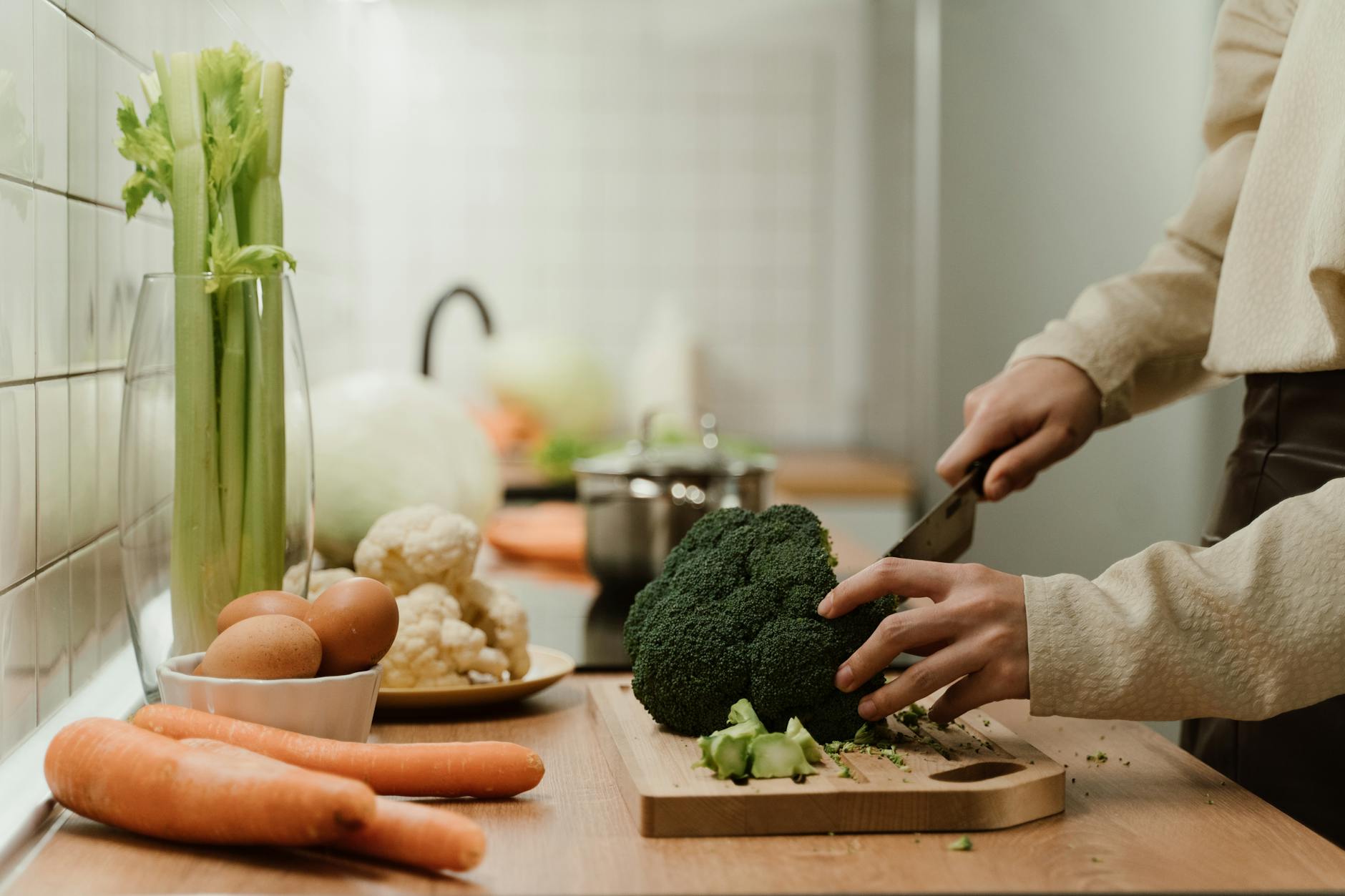
You've Been Throwing Away the Most Nutritious Bites on Your Cutting Board
Every week, the average American household throws out roughly a pound of vegetables. Some of that is legitimate food waste — the forgotten zucchini that went soft in the back of the crisper drawer. But a surprising chunk of it is something else entirely: perfectly edible, nutritionally dense parts of vegetables that we've been conditioned to discard before the cooking even starts.
Broccoli stems. Watermelon rinds. Corn cobs. Beet greens. The woody base of a bunch of asparagus. We peel them, snap them off, and send them straight to the compost bin — or worse, the garbage — without a second thought. And according to food researchers who study phytonutrient distribution in plants, that habit is costing us more than we realize.
The Science of What's Actually in the Scraps
Here's something that doesn't get nearly enough attention: plants don't distribute their nutrients evenly. A vegetable is not the same throughout. Different tissues — the skin, the stem, the seeds, the rind — serve different biological purposes for the plant, and that means they contain different concentrations of the compounds that happen to be good for us.
In many cases, the parts we discard are working harder nutritionally than the parts we eat.
Take broccoli. Most people buy a head of broccoli, cut off the florets, and either toss the thick central stem or relegate it to stock. But the stem contains a higher concentration of fiber than the florets — and research published in food science journals has found that the stem also holds meaningful levels of glucosinolates, the sulfur-containing compounds that give cruciferous vegetables their cancer-fighting reputation. The florets get the attention because they look more appealing. The stem does a lot of the nutritional heavy lifting.
Watermelon rind is another striking example. The white and pale green flesh just beneath the outer skin contains citrulline, an amino acid that the body converts to arginine — a compound associated with cardiovascular health and improved circulation. The red flesh we actually eat has almost none of it. In parts of the American South and in many Asian cuisines, pickled watermelon rind is a traditional preparation that has existed for generations, largely because people historically couldn't afford to waste food. It turns out they were also accidentally preserving the most bioactive part of the fruit.
Corn cobs — those fibrous cylinders we strip clean and immediately discard — contain hemicellulose, a form of dietary fiber that feeds beneficial gut bacteria. Simmering them in water draws out natural sugars and a mild, slightly floral flavor that makes a surprisingly good base for broths and sauces. Corn cob broth is a technique used in traditional Mexican cooking and is now being rediscovered by chefs interested in zero-waste cooking. The cob isn't garbage. It's infrastructure.
The Skin Is Usually Where It Starts
Perhaps the most well-documented case involves vegetable skins — and yet peeling remains a deeply ingrained habit for many home cooks.
The outer layers of carrots, cucumbers, potatoes, and zucchini tend to be significantly richer in antioxidants and polyphenols than the flesh beneath. A carrot's skin, for instance, contains concentrated levels of beta-carotene — the pigment the body converts to vitamin A — right at the surface, where the plant is most exposed to light and environmental stress. Peeling it removes a meaningful portion of the nutrient density before the vegetable even hits the pan.
Similar dynamics play out with apple skins (quercetin, a powerful flavonoid), potato skins (potassium, iron, and B vitamins), and cucumber skins (vitamin K and silica). The flesh is nutritious. The skin is often more so.
Why We Throw It Out Anyway
A lot of this comes down to texture, appearance, and food culture. Thick broccoli stems require more preparation time to make tender. Watermelon rind looks like packaging rather than food. Peeling vegetables became associated with refinement in Western cooking — a signal that care had been taken, that the rough edges had been removed. Over time, that aesthetic preference calcified into habit, and the habit got passed down through generations of recipe books and cooking shows.
There's also the convenience factor. Pre-cut vegetables, trimmed and packaged, are sold with the scraps already removed. The decision has been made before the product reaches the consumer. What gets left out of the bag is out of sight and out of mind.
Practical Moves That Actually Work
The good news is that none of this requires a dramatic lifestyle overhaul. A few small adjustments at the cutting board can meaningfully change what stays on your plate.
Stop peeling carrots, zucchini, and cucumbers unless the recipe genuinely requires it — a good scrub under cold water is usually enough. Slice broccoli stems thin on a bias and roast them alongside the florets; they caramelize beautifully and have a milder, sweeter flavor than the tops. Simmer corn cobs in water for 20 minutes and use the liquid as a base for summer soups or risotto. Pickle watermelon rind with a little vinegar, sugar, and red pepper flakes — it's a classic Southern preparation that works as a condiment, a salad addition, or a standalone snack.
Beet greens, which are often sold still attached and then immediately stripped and discarded, can be sautéed exactly like Swiss chard. They're nutritionally comparable to spinach and have a pleasantly earthy bite.
A Different Way to Look at Your Grocery Bag
The vegetables we buy are not just the parts we've been taught to cook. They're whole systems — and the parts that get trimmed away, peeled off, and composted often contain some of the most concentrated nutrition in the entire plant.
That doesn't mean every scrap is worth saving or that the trash can should feel like a moral failure. But it does mean that the next time you reach for the peeler on autopilot, it's worth pausing for just a second. The most interesting thing on your cutting board might be what you were about to throw away.