Smoke Signals: The Backyard Pitmasters Who Wrote America's Real Barbecue Rules
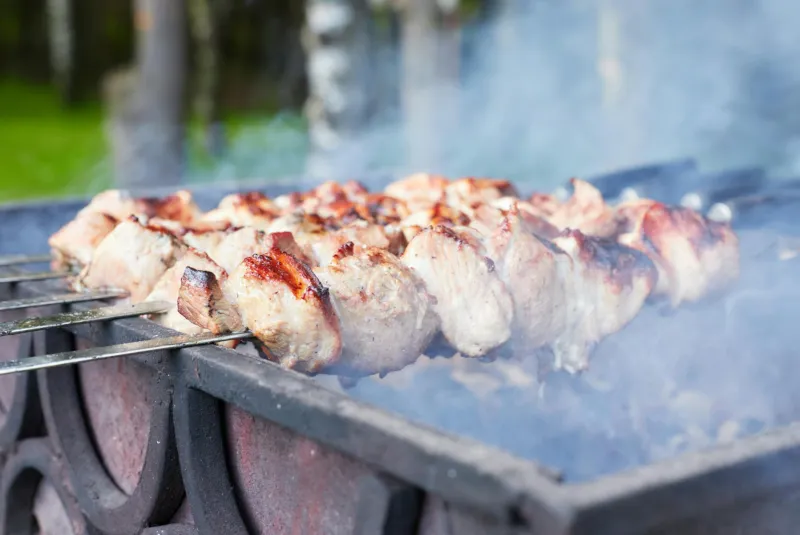
Smoke Signals: The Backyard Pitmasters Who Wrote America's Real Barbecue Rules
Drive through any American city today and you'll find barbecue restaurants with gleaming signs, professional marketing, and five-star health department ratings. But ask any longtime resident about the best barbecue they've ever tasted, and they'll likely tell you about a place that doesn't exist anymore — a backyard operation where someone's uncle, grandfather, or neighbor cooked meat so good it drew lines around the block.
These weren't restaurants in any official sense. They were backyard entrepreneurs, weekend warriors, and community institutions rolled into one. They operated from residential driveways, church parking lots, and empty lots, serving barbecue that was legendary precisely because it was unofficial.
The Economics of Smoke
Backyard barbecue operations emerged from economic necessity and cultural tradition. In the post-war era, many working-class families — particularly in the South and industrial Midwest — found themselves with access to cheap cuts of meat but limited dining options that felt familiar or affordable.
Someone in the neighborhood always knew how to work a pit. Maybe they'd learned from their father, who'd cooked for logging crews. Or their grandfather, who'd fed farmhands during harvest. These weren't professional chefs — they were people with day jobs who happened to understand fire, smoke, and time in ways that couldn't be taught in culinary school.
"My uncle Clarence ran a pit out of his backyard every Saturday for fifteen years," recalls Detroit native Marcus Johnson. "He worked at Ford during the week, but come Saturday morning, that man was up at 4 AM getting his fire started. People drove from three counties over for his ribs."
The economics were simple: buy cheap cuts in bulk, cook them low and slow until they transformed into something extraordinary, then sell plates for enough to cover costs and maybe make a little extra. No overhead, no employees, no insurance — just meat, fire, and reputation.
The Underground Network
Word about exceptional backyard barbecue spread through informal networks that predated social media by decades. Church congregations, factory workers, neighborhood kids — everyone knew who had the best pit in their area. Customers found these operations through whispered recommendations and hand-drawn directions.
Many operators never advertised beyond a handwritten sign in their yard. Some didn't even have signs — regular customers just knew to show up on certain days at certain times. The most successful ones developed cult followings that included everyone from blue-collar workers to local politicians who would quietly slip out of official events to grab a plate.
"There was this woman, Miss Ruby, who cooked out of her backyard in North Memphis every Sunday after church," remembers food writer James Patterson. "She never had a menu, never took reservations. You showed up with cash and hoped she hadn't run out. Her pulled pork was better than anything I've eaten at a famous restaurant."
 Photo: North Memphis, via div.bg
These operations created their own rules and rhythms. Some only cooked on weekends. Others fired up their pits for special occasions — graduations, holidays, community events. A few ambitious operators worked multiple days a week, essentially running unlicensed restaurants that served better food than most licensed ones.
Innovation Through Necessity
Without access to commercial equipment or restaurant suppliers, backyard pitmasters became masters of improvisation. They built smokers from old oil drums, refrigerators, and washing machines. They developed techniques for maintaining consistent temperatures using whatever fuel they could afford. They created rubs and sauces from grocery store ingredients that rivaled anything produced commercially.
This resourcefulness led to genuine innovation. Many techniques now associated with high-end barbecue — like wrapping brisket in butcher paper, using fruit woods for specific flavor profiles, or dry-aging ribs — were first perfected by backyard operators working with limited resources.
"These guys were food scientists without knowing it," explains barbecue historian Dr. Robert Williams. "They had to understand chemistry, physics, and timing in ways that professional cooks often don't. When you can't just turn a dial to adjust temperature, you develop an intuitive understanding of how fire actually works."
The constraints also forced creativity with cuts and preparation. Backyard operators couldn't afford prime brisket or premium ribs, so they learned to make tough, cheap cuts shine. They developed techniques for cooking pork shoulder, beef chuck, and chicken that extracted maximum flavor and tenderness from minimal investment.
The Flavor of Community
What made backyard barbecue special wasn't just the food — it was the social experience. These operations were neighborhood gathering places where people lingered, shared news, and built relationships. Children played in yards while adults waited for food. Regulars brought their own drinks and side dishes, turning barbecue pickup into impromptu community dinners.
The pitmasters themselves were often local characters — storytellers, philosophers, and unofficial mayors of their neighborhoods. They knew their customers' names, families, and preferences. They offered credit during hard times and threw in extra meat for special occasions.
"Going to get barbecue from Mr. Willie wasn't just about the food," recalls Birmingham resident Sarah Thompson. "You'd end up staying for an hour, listening to stories, catching up with neighbors. It was like having a really good uncle who happened to cook amazing barbecue."
This personal connection created loyalty that no marketing campaign could match. Customers became evangelists, bringing friends and family to experience not just great barbecue, but authentic community.
The Regulatory Reality
By the 1970s and 1980s, increased health regulations and zoning enforcement began shutting down backyard operations. What had once been tolerated as harmless neighborhood enterprise became viewed as potential public health hazards. Many operators couldn't afford the permits, inspections, and equipment upgrades required to become legitimate restaurants.
Some adapted by moving into commercial spaces or partnering with licensed establishments. Others simply shut down, taking decades of accumulated knowledge with them. A few continued operating in legal gray areas, serving loyal customers who were willing to overlook the lack of official permits for transcendent barbecue.
The transition wasn't just about regulation — it reflected changing American attitudes toward food safety and commerce. What previous generations had seen as entrepreneurial spirit, newer generations viewed as unprofessional or risky.
The Living Legacy
Today's most celebrated barbecue restaurants often trace their techniques back to these informal operations. Famous pitmasters frequently credit backyard cooks — grandfathers, neighbors, mentors — who taught them the fundamentals that no culinary school could provide.
Some modern restaurants try to recreate the backyard experience with rustic décor and casual service. But they can't replicate the essential element: the sense that you're part of someone's extended family, sharing food prepared by someone who cooks not just for profit, but for the pure satisfaction of feeding people well.
The story of backyard barbecue reminds us that the most important food traditions often develop outside official channels. They emerge from necessity, grow through community, and survive through the kind of word-of-mouth reputation that no amount of marketing can manufacture.
In an era of food trucks, pop-up restaurants, and social media marketing, the spirit of backyard barbecue lives on in new forms. But those who experienced the original understand that something irreplaceable was lost when the last neighborhood pitmaster finally hung up their apron — not just great barbecue, but a way of bringing communities together one perfectly smoked plate at a time.