The Colonial Tavern Secret That Made Worcestershire Look Like an Amateur
The Sauce That Time Forgot
Walk into any American kitchen today and you'll probably find a dusty bottle of Worcestershire sauce lurking behind the olive oil. But before this English import became our go-to umami booster, colonial Americans were already masters of the fermented condiment game — and their homemade versions would make today's bottled sauces taste like amateur hour.
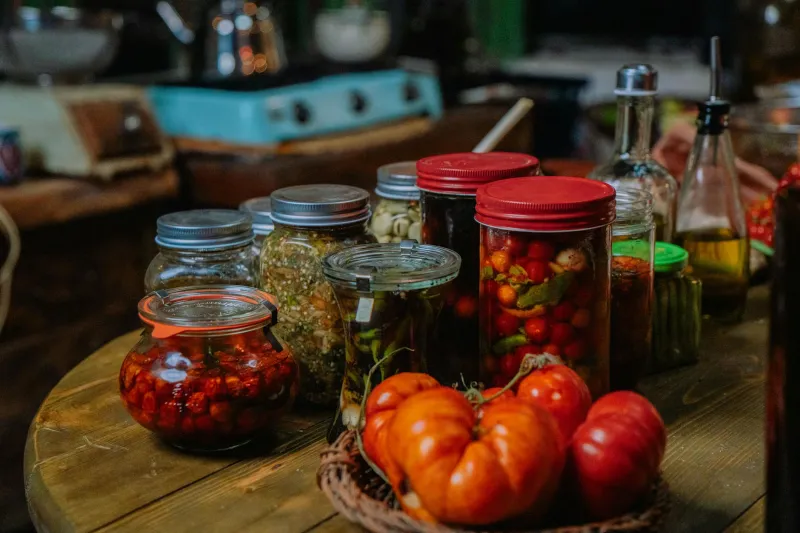
In taverns from Boston to Charleston, proprietors kept ceramic crocks bubbling with what they called "catsup" — though it bore zero resemblance to the sweet tomato sauce we know today. These weren't quick fixes thrown together for Sunday dinner. They were complex, months-long fermentation projects that turned humble ingredients into liquid gold.
When Mushrooms Ruled the Condiment World
The star of colonial American condiment culture wasn't the tomato — it was the mushroom. Tavern keepers would gather pounds of wild mushrooms, layer them with coarse salt, and let time work its magic. Over weeks, the salt would draw out moisture, creating a dark, intensely savory liquid that packed more punch than any modern sauce.
Unlike today's quick-pickle approaches, mushroom catsup required patience. The best versions aged for months, developing layers of flavor that shifted from earthy and mineral to rich and almost meaty. Philadelphia tavern owner Hannah Glasse wrote in 1747 that a proper mushroom catsup should "keep for two years and grow better with age."
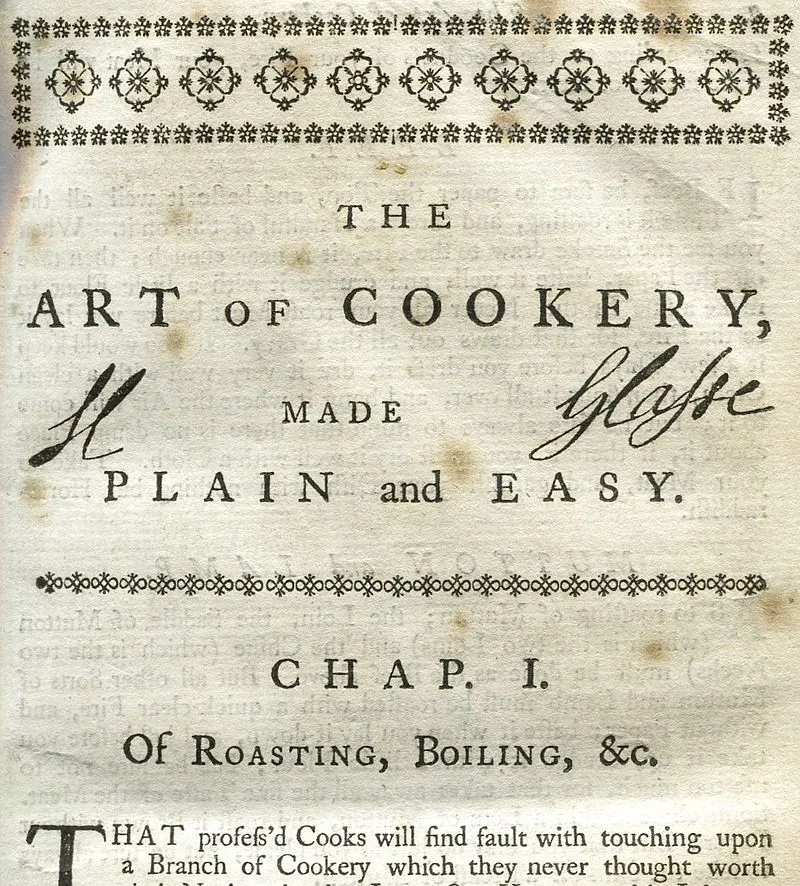 Photo: Hannah Glasse, via d.newsweek.com
What made these sauces special wasn't just their depth — it was their versatility. A few drops could transform a simple stew, but they were equally at home drizzled over roasted meat or stirred into gravies. The fermentation process created natural preservatives, meaning these sauces could survive harsh winters without refrigeration.
The Oyster Catsup Revolution
If mushroom catsup was the workhorse, oyster catsup was the show-off. Coastal taverns specialized in this delicacy, using the abundant oyster harvests to create what food historians now recognize as one of America's first truly regional condiments.
The process was deceptively simple but required serious skill. Fresh oysters were shucked and their liquor carefully preserved. The oysters themselves were lightly cooked, then combined with their juices, wine, spices, and sometimes anchovy paste for extra complexity. The mixture would ferment for weeks, creating a sauce that tasted like the ocean concentrated into liquid form.
Unlike today's cocktail sauces, oyster catsup wasn't meant to mask seafood flavors — it amplified them. A spoonful could make even the humblest fish taste like it came from the finest coastal waters.
Why These Sauces Disappeared
The decline of American fermented condiments wasn't about taste — it was about convenience and industrialization. As the country urbanized, fewer people had access to wild mushrooms or fresh oysters. Home fermentation required knowledge passed down through generations, and as families scattered, that knowledge scattered too.
The final blow came with the rise of commercial food production. Companies like Heinz promised consistent flavor without the months-long wait or the risk of spoilage. By the 1920s, most Americans had traded their great-grandmother's mushroom catsup for a bottle from the store.
The Quiet Revival
Today, a small but growing number of food enthusiasts are rediscovering these forgotten sauces. Brooklyn fermentation shops sell mushroom catsup for $18 a bottle. High-end restaurants in Charleston are reviving oyster catsup recipes from the 1800s. Food bloggers share colonial-era recipes with hashtags like #fermentedlife.
What they're finding is that these old sauces solve modern problems. They're naturally gluten-free, contain no artificial preservatives, and pack more flavor complexity than anything mass-produced. Plus, they tell a story — something no bottle of store-bought sauce can match.
Making Your Own Piece of History
The beauty of colonial condiments is their forgiveness. Unlike precision baking, these fermented sauces adapt to whatever you have on hand. Start with mushroom catsup: layer sliced mushrooms with coarse salt, let them release their juices for 24 hours, then strain and age the liquid in a cool, dark place.
The result won't just upgrade your cooking — it'll connect you to a time when Americans took their condiments as seriously as their main courses. And unlike that dusty bottle of Worcestershire, you'll actually know what went into making it.