The Fish Counter's Hidden Treasure: Why Nobody Orders the Best Parts
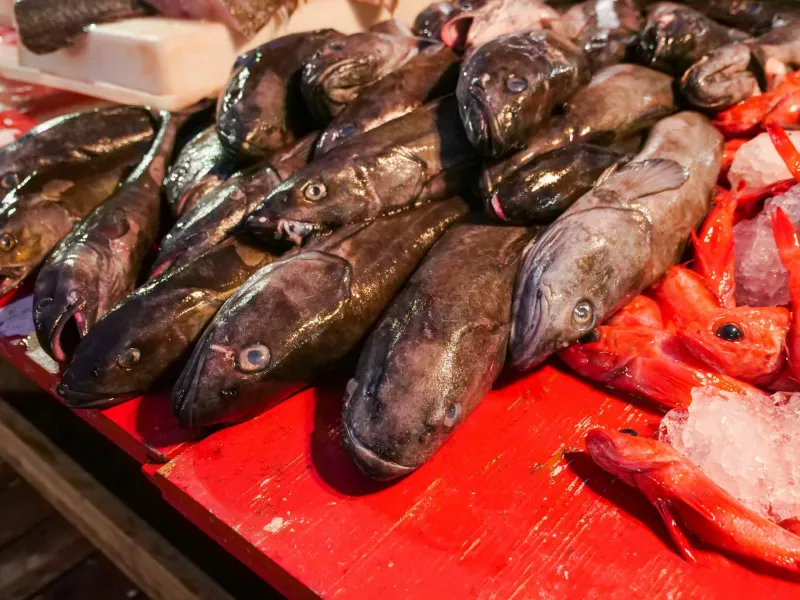
The Parts Nobody Asks For
Step up to any American fish counter and watch the ritual unfold. Customers point to familiar rectangles of salmon and neat white squares of halibut, while behind the glass, the real treasures sit ignored. Fish collars with their rich, gelatinous meat. Cheeks that melt like butter. Belly cuts marbled with fat that would make a sushi chef weep with joy.
These aren't scraps or second-rate cuts. In Japanese restaurants, fish collar commands premium prices. Portuguese grandmothers guard their fish cheek recipes like state secrets. But in America, these parts often end up in the discount bin or, worse, the trash.
The disconnect isn't about quality — it's about education. Americans learned to fear bones, distrust unfamiliar textures, and equate uniform fillets with quality. Meanwhile, we've been walking past some of the most flavorful parts of the fish.
The Collar: Where Fat Meets Function
Fish collars — the section behind the gills and around the neck — represent everything Americans think they don't want in seafood. They're irregular in shape, loaded with bones, and require actual work to eat. But here's what we're missing: this is where fish store their richest fat, creating meat that's impossibly tender and deeply flavorful.
In Japan, hamachi collar (yellowtail collar) is a delicacy that sells for $15-20 per serving. The same cut at an American fish counter might cost $3 per pound — if you can convince them to sell it to you. The preparation is dead simple: salt, pepper, and a hot grill or broiler. The bones make the meat self-basting, while the fat renders slowly, creating crispy skin and succulent flesh.
Salmon collar offers similar rewards with even less risk. The meat pulls apart in rich, flaky chunks, perfect for rice bowls or eaten straight off the bone. It's like salmon's answer to pork shoulder — humble, affordable, and absolutely delicious when treated right.
Fish Cheeks: The Tenderloin of the Sea
If collars are the pork shoulder of fish, cheeks are the tenderloin. These small, round muscles work constantly as fish swim, developing incredible tenderness and concentrated flavor. A single halibut cheek can weigh several ounces, while cod cheeks offer bite-sized morsels of pure sweetness.
The texture is unlike any fillet. Where standard cuts can be flaky or firm, cheeks have an almost scallop-like consistency — dense but yielding, with a clean finish that doesn't taste "fishy" even to seafood skeptics. Portuguese cooks have known this secret for centuries, featuring cod cheeks in traditional dishes that highlight their unique properties.
At most American fish counters, cheeks are either discarded or sold for a fraction of fillet prices. A pound of halibut cheeks might cost $8-12, while halibut fillets run $25-30. The math is simple: you're paying less for what many consider the best part of the fish.
Belly Cuts: Fat Is Where the Flavor Lives
American seafood culture has an unfortunate relationship with fat. We've been trained to prefer lean, white fish, dismissing fattier cuts as somehow inferior. But fat is where flavor lives, and fish bellies contain some of the richest, most complex meat on the entire animal.
Salmon belly, prized in sushi restaurants as "toro," offers buttery richness that makes standard fillets taste thin by comparison. Tuna belly reaches legendary status in Japanese cuisine, selling for hundreds of dollars per pound at Tokyo's fish markets. Yet at American counters, these cuts often go begging.
The key is understanding how to work with the fat rather than against it. Quick, high-heat cooking renders the fat beautifully, creating crispy skin and moist interior. Slow braising melts the fat into silk, perfect for stews and curries. Even raw preparations — think ceviche or crudo — benefit from the belly's natural richness.
Breaking the Fish Counter Code
Getting access to these cuts requires a different approach than pointing at pre-cut fillets. Start by building relationships with your fishmonger. Ask what's available beyond the display case. Most fish markets receive whole fish and break them down in-house, meaning collars, cheeks, and belly cuts are often available — you just need to know to ask.
Learn the vocabulary. "Do you have any salmon collars?" sounds more knowledgeable than "What are those weird parts?" Be specific about what you want: halibut cheeks, tuna belly, or whatever's available. Many fishmongers appreciate customers who understand the whole fish.
Timing matters too. Call ahead or visit when shipments arrive — usually early morning or specific days of the week. Fresh whole fish means fresh odd cuts, but they don't stick around long if there's no demand.
Cooking the Uncookable
The beauty of these overlooked cuts is their simplicity. They're so flavorful that aggressive seasoning only gets in the way. Salt, pepper, and heat are often enough. Fish collars shine under the broiler with just a sprinkle of sea salt. Cheeks need nothing more than a quick sear in a hot pan.
For the nervous home cook, these cuts are actually more forgiving than pristine fillets. The fat content provides insurance against overcooking, while bones help retain moisture. You can't really ruin a fish collar — the worst-case scenario is still pretty delicious.
The Economics of Eating Well
Beyond flavor, these cuts represent incredible value. While premium fillets climb toward $30 per pound, collar cuts, cheeks, and belly portions often cost less than ground beef. It's a rare opportunity to eat luxuriously while spending modestly.
The catch is availability. As more Americans discover these cuts, prices will inevitably rise and availability will decrease. But for now, asking for the parts nobody orders remains one of the best deals at the fish counter.
Changing the Conversation
Every time someone orders fish collars or asks about cheeks, they're voting for a different kind of seafood culture. One that values flavor over convenience, embraces the whole animal, and recognizes that the best parts aren't always the prettiest ones.
The next time you're at the fish counter, skip the familiar fillets and ask what else they have. You might walk away with the best fish you've ever tasted — at a price that will make you wonder why nobody else is asking for it.