The Diner Dishes Too Weird for Chains — And Too Good to Lose
The Franchising Filter
Every successful chain restaurant follows the same playbook: find a dish that travels well, simplify the ingredients, and scale it nationwide. But scattered across America's heartland, certain diner dishes have stubbornly resisted this formula. They're too regional, too weird, or too labor-intensive for corporate kitchens — and that's exactly what makes them special.
These aren't just local favorites; they're cultural DNA in edible form. Order a Horseshoe sandwich in Springfield, Illinois, or a slinger in St. Louis, and you're not just getting lunch — you're accessing a secret handshake that marks you as someone who truly knows the place.
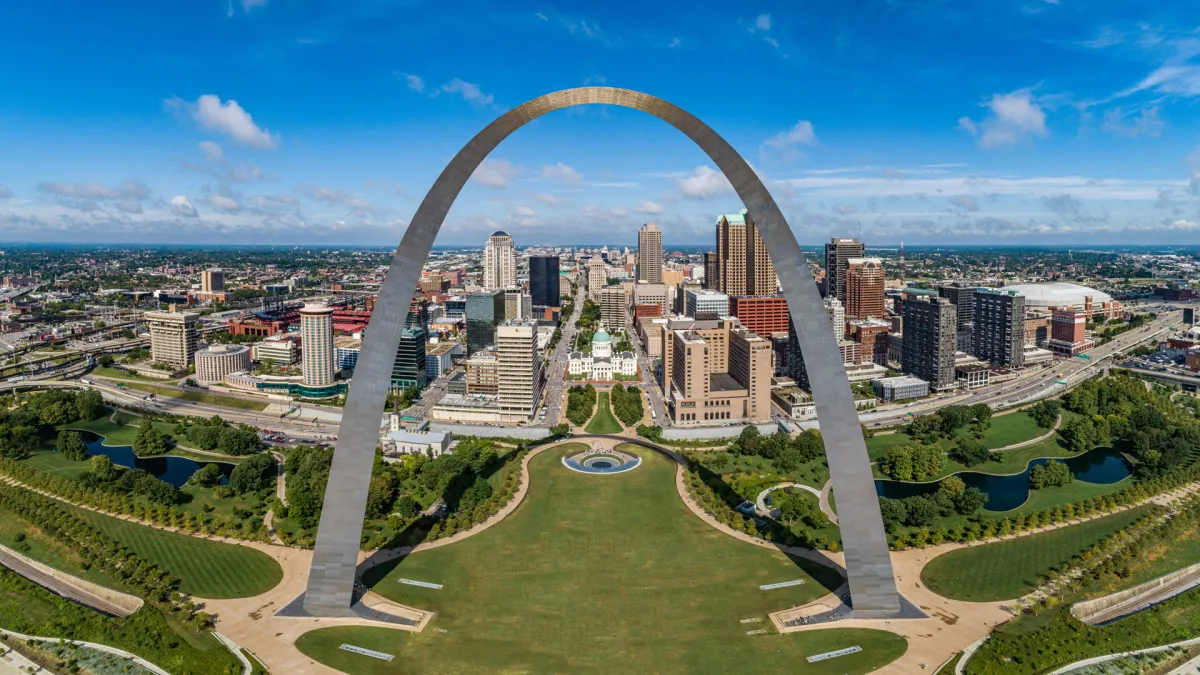 Photo: St. Louis, via explorestlouis.com
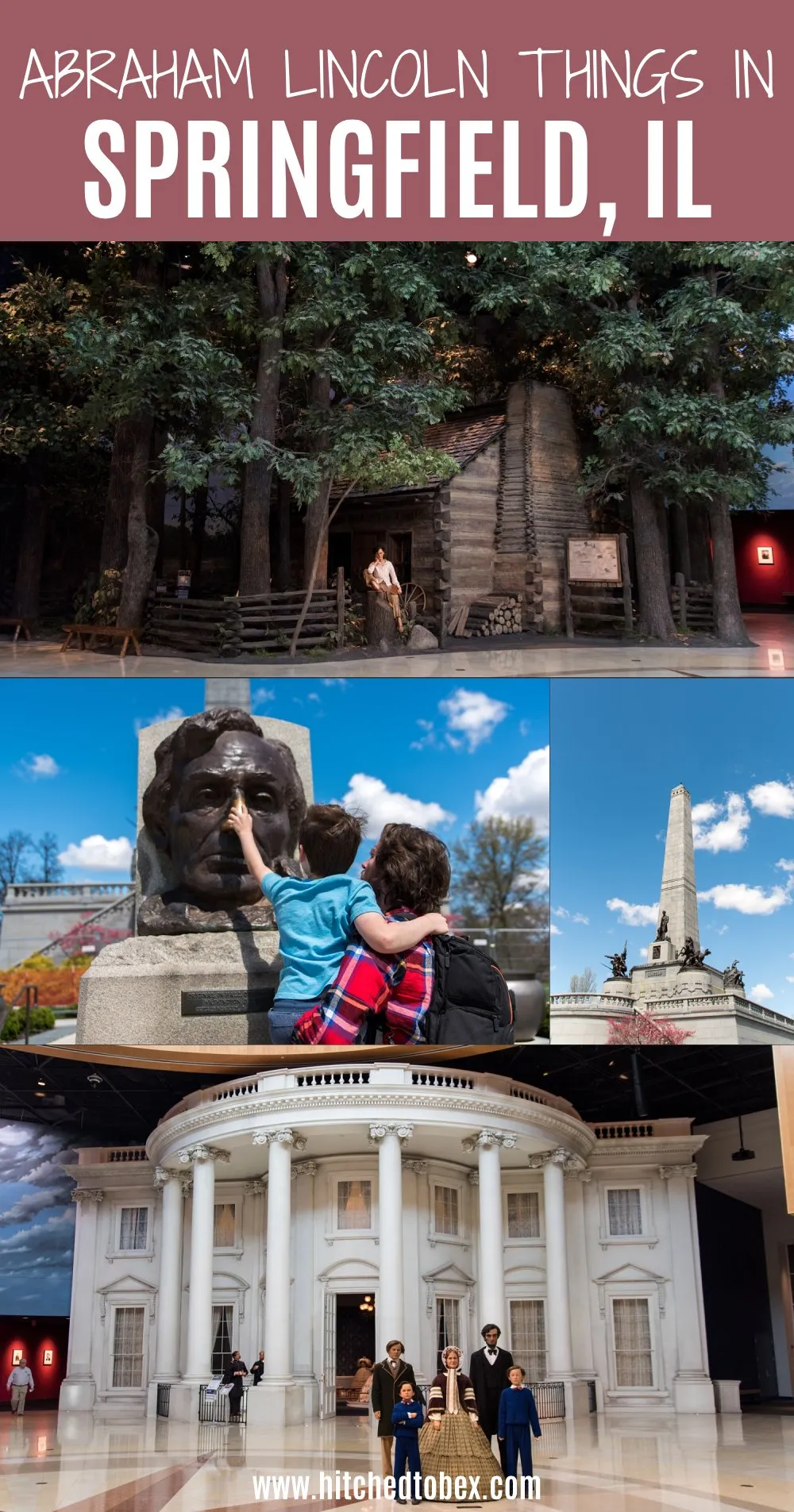 Photo: Springfield, Illinois, via hitchedtobex.com
Illinois: Where Sandwiches Defy Gravity
The Horseshoe sandwich looks like what would happen if a diner cook had a fever dream about abundance. Picture this: two thick slices of toast, topped with a hamburger patty (or ham, or chicken), buried under a mountain of french fries, then smothered in cheese sauce. It's not pretty, but it's magnificent.
Created in the 1920s at Springfield's Leland Hotel, the Horseshoe became central Illinois' unofficial state dish. But here's why it never went national: it's impossible to standardize. Every diner has its own cheese sauce recipe, some thick and sharp, others creamy and mild. The fries-to-protein ratio varies wildly. Some places add onions, others consider that heresy.
Try to franchise a Horseshoe and you'd lose everything that makes it special. The charm lies in its inconsistency, in the way each cook interprets the basic formula. Chain restaurants hate variables; the Horseshoe is nothing but variables.
St. Louis: The Slinger's Beautiful Chaos
If the Horseshoe is Illinois' answer to abundance, the slinger is St. Louis' tribute to the beautiful chaos of late-night dining. Start with hash browns, add a hamburger patty or two, crack eggs on top, then smother everything in chili and cheese. It's the kind of dish that makes nutritionists weep and night-shift workers sing.
The slinger emerged from St. Louis' 24-hour diner culture, designed to fuel factory workers and satisfy drunk college students with equal efficiency. But like the Horseshoe, it resists standardization. Some places use ground beef instead of patties. Others skip the cheese or add onions. The chili varies from mild and sweet to volcanic.
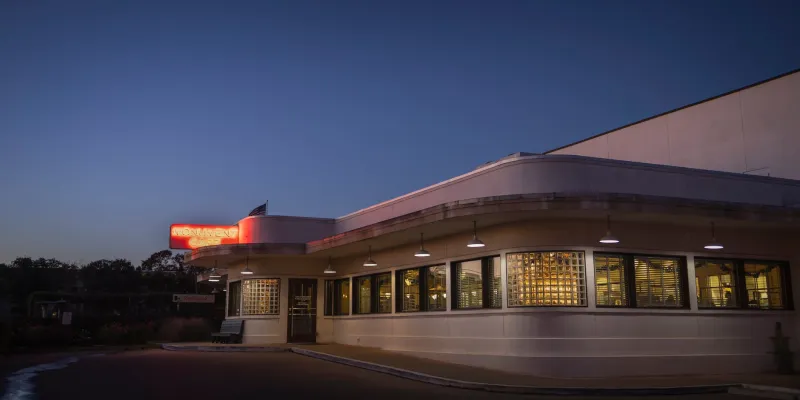
National chains have tried to crack the code with "loaded" hash browns and "ultimate" breakfast bowls, but they miss the point. The slinger isn't about the ingredients — it's about the context. It belongs to 3 AM diners with neon signs and worn countertops, not well-lit suburban franchises.
Michigan's Upper Peninsula: The Pasty's Stubborn Survival
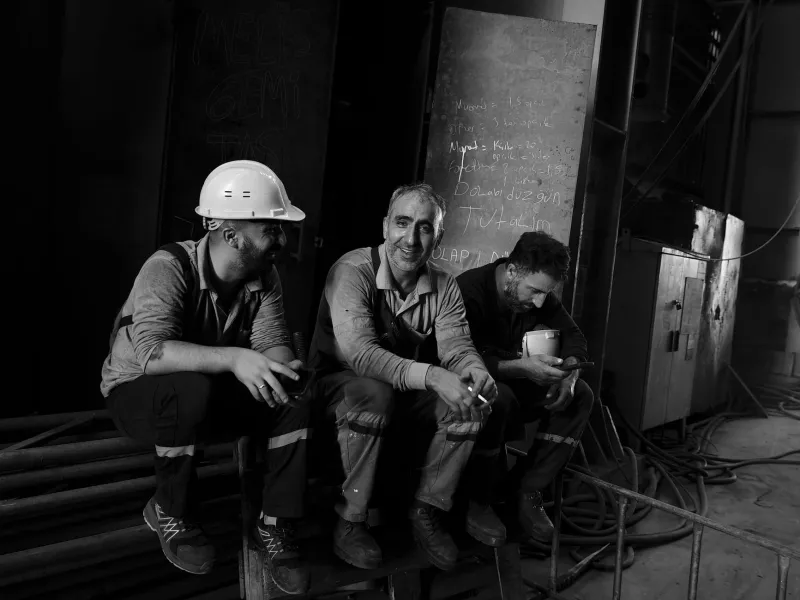
In Michigan's Upper Peninsula, the pasty (PASS-tee, not PASTE-ee) represents something even rarer: a dish that survived industrial collapse. Brought by Cornish miners in the 1800s, these hand-held meat pies became the region's signature food, designed to stay warm in mine shafts and provide complete nutrition in portable form.
 Photo: Michigan's Upper Peninsula, via www.shutterstock.com
A proper pasty contains beef, potatoes, onions, and rutabagas wrapped in a sturdy pastry crust. That's it. No vegetables beyond the basics, no sauce, no variations. The simplicity is deceptive — making good pasty dough requires skill, and the filling must be perfectly seasoned since there's nowhere to hide.
When the mines closed, the pasty could have vanished. Instead, it became the U.P.'s cultural anchor. Local shops compete fiercely over whose recipe is most authentic. Tourists drive hours to try different versions. But the pasty has never expanded beyond its homeland because it doesn't need to — it belongs to a specific place and people.
Why Locality Matters
These dishes share a common thread: they're inseparable from their origins. The Horseshoe tastes different in Springfield not because of secret ingredients, but because it carries the weight of local history. The slinger hits different at 2 AM in a St. Louis diner because that's its natural habitat.
Chain restaurants try to manufacture this authenticity with rustic décor and "family recipes," but they're missing the crucial ingredient: genuine local ownership. When a dish belongs to a community rather than a corporation, it evolves organically. Recipes adapt to local tastes, techniques get passed between families, and the food becomes part of the place's identity.
The Secret Menu of America
Finding these regional specialties requires insider knowledge. You won't see them advertised on highway billboards or featured in food magazines. Instead, they live in local conversation, passed along like folklore.
The best way to discover them? Ask locals where they go for comfort food, not where they take visitors. Look for diners with handwritten menus and worn countertops. Order what sounds weird — if a dish has survived decades without corporate backing, there's probably something special about it.
Preserving the Unfranchisable
In an era of increasing food homogenization, these stubborn local dishes represent something precious: proof that not everything needs to scale. Sometimes the best food is the kind that stays put, that requires a pilgrimage rather than a drive-through.
The next time you're traveling through small-town America, skip the familiar chain logos. Look for the places serving food too weird for corporate menus. You might just discover your new favorite dish — one that no amount of market research could have predicted.