When Soup Ladles Became Weapons of Change: The Forgotten Kitchen Revolution That Fed America's Fight
The Kitchen Counter That Started It All
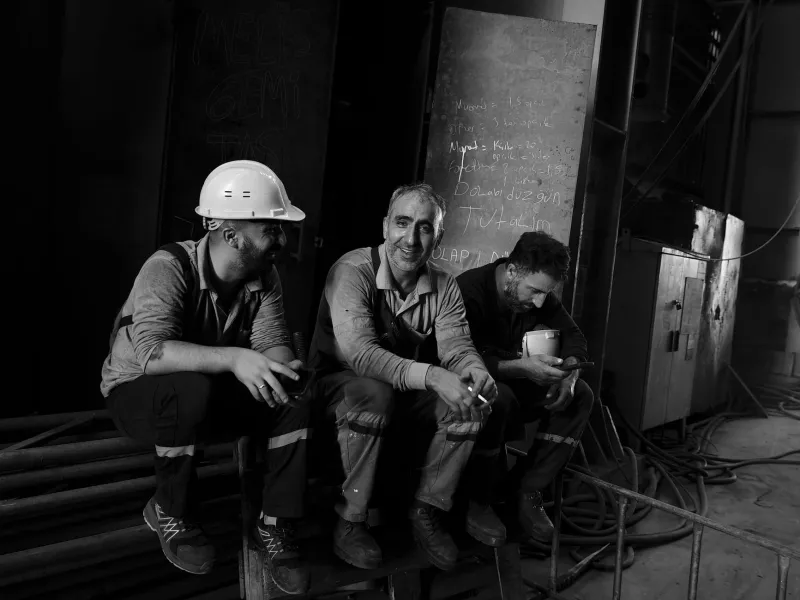
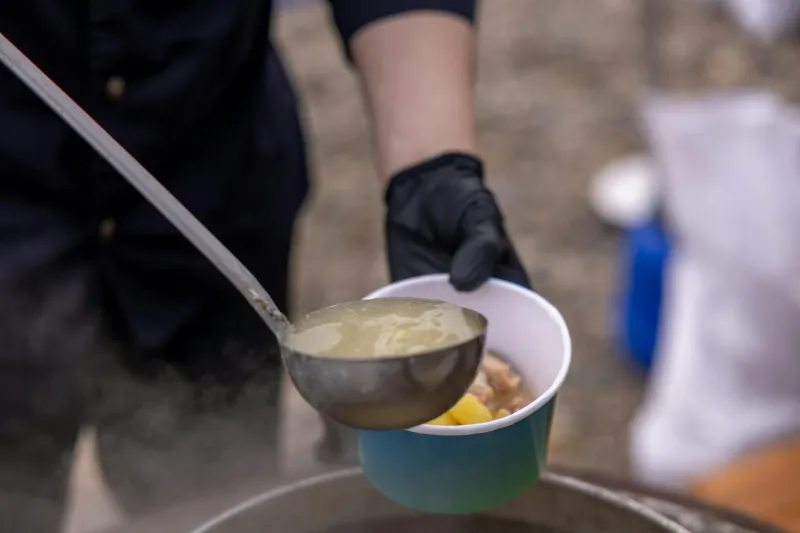
In 1912, a simple pot of soup in Lawrence, Massachusetts, did something that factory owners never saw coming. As textile workers huddled around steaming bowls in a makeshift kitchen, they weren't just sharing a meal — they were sharing plans that would shut down every mill in town.
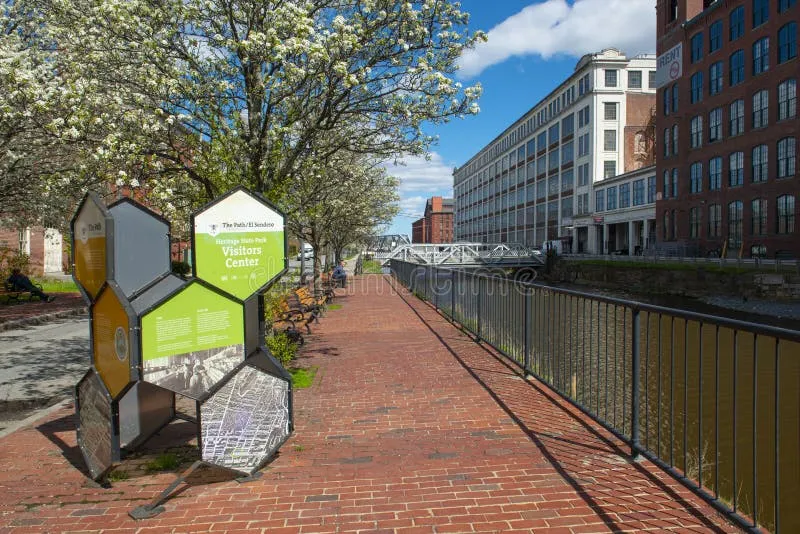 Photo: Lawrence, Massachusetts, via thumbs.dreamstime.com
The "Bread and Roses" strike that followed made headlines, but the soup kitchen that made it possible? That story got buried under the drama of picket lines and police clashes.
Turns out, revolution tastes a lot like vegetable broth.
More Than Just Free Food
America's labor movement didn't just happen in meeting halls and factory floors. It happened around dinner tables, over shared meals that turned strangers into allies. When workers had nowhere else to gather — when landlords wouldn't rent to union organizers and bosses fired anyone caught talking solidarity — soup kitchens became the unofficial headquarters of change.
These weren't charity operations. They were strategic. Feed people, and they stick around long enough to listen. Give them a warm place to sit, and they start talking to each other. Before long, that random collection of hungry workers becomes an organized force.
The Industrial Workers of the World figured this out early. Their "Wobbly" soup kitchens popped up wherever workers were organizing, from mining camps in Colorado to logging towns in Washington. The food was basic — usually whatever vegetables were cheapest that week, stretched with plenty of water and hope. But the conversations that happened over those meals? Those changed everything.
The Depression Doubled Down
When the 1930s hit and unemployment lines stretched around city blocks, soup kitchens went from radical organizing tools to survival necessities. But even then, they remained powerful spaces for political awakening.
Breadlines weren't just about getting fed. They were places where people who'd never questioned the system suddenly found themselves dependent on it — and discovering it didn't work. Standing in line next to former bank managers and factory foremen, people started asking uncomfortable questions about who really deserved to eat.
The Communist Party understood this better than anyone. Their soup kitchens didn't just serve food; they served ideology with every bowl. While people waited, volunteers would explain how capitalism had failed them, how collective action could change things. It wasn't subtle, but it worked. Hungry people are receptive people.
The Black Panthers Perfected the Recipe
By the 1960s, the Black Panther Party took the soup kitchen strategy and made it an art form. Their Free Breakfast for Children Program didn't just feed kids before school — it demonstrated what community care could look like when people organized themselves.
Every morning, Panther volunteers would arrive at churches and community centers before dawn, cooking eggs, serving juice, making sure kids got fed before first period. But the real meal was the lesson: that Black communities could take care of themselves, that they didn't need to wait for government programs or charity organizations to solve their problems.
The FBI understood the threat. Internal documents called the breakfast program "the best and most influential activity going for the BPP and as such represents the greatest threat to efforts by authorities to neutralize the BPP and destroy what it stands for."
They were terrified of free breakfast. That should tell you everything about the power of a shared meal.
What Your Lunch Counter Knew
Even the civil rights movement's most famous food moment — the lunch counter sit-ins — was really about the radical act of eating together. When four Black college students sat down at a Woolworth's counter in Greensboro, they weren't just ordering coffee. They were demanding the right to share space, to be served, to be treated as equals.
The sit-ins spread because they understood something fundamental: food is political. Who gets to eat where, with whom, and under what conditions reveals everything about power in America.
The Recipe That Never Changed
Here's what every successful food-based organizing effort has known: hungry people can't fight effectively, but fed people who remember being hungry become unstoppable.
It doesn't matter if it's labor organizers in 1912, civil rights activists in 1960, or community organizers today — the formula stays the same. Provide food, create space, let people talk. The conversations that happen over shared meals build the trust that makes movements possible.
Modern mutual aid groups rediscovered this during the pandemic. Community fridges and neighborhood food distribution weren't just about addressing hunger — they were about building networks of care that could tackle bigger problems.
Still Serving Revolution
The next time you see a community kitchen or food distribution event, look closer. That might not be charity you're witnessing. It might be organizing, one bowl at a time.
Because the most radical thing on any menu has never been the food itself. It's always been the idea that everyone deserves a seat at the table — and what happens when they finally get one.