The Fish That Built America Then Vanished From Our Plates
The Protein That Powered an Empire
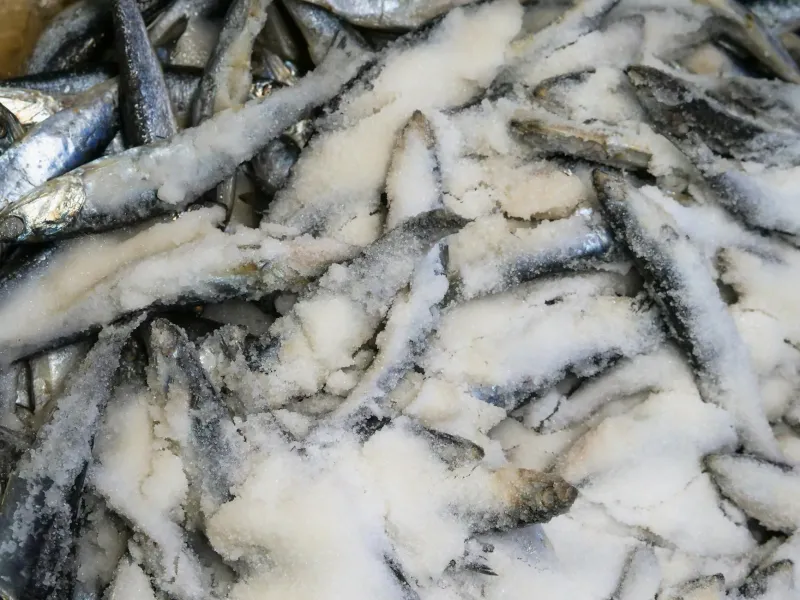
Before there was beef, before there was even reliable access to fresh fish, there was salt cod. For nearly 400 years, this preserved fish was so central to American life that entire economies rose and fell on its trade. Ships crossed oceans carrying it. Wars were fought over fishing rights to catch it. Families survived harsh winters because of it.
Then, sometime around 1950, America just... forgot.
When Fish Was Currency
In colonial America, salt cod wasn't just food — it was money. The dried, salted fish could last for months without spoiling, making it perfect for long sea voyages and harsh winters. More importantly, it was protein that enslaved people and indentured servants could afford, and that ship captains could trade for sugar, molasses, and rum in the Caribbean.
The triangular trade that built New England's wealth ran on salt cod. Ships would leave Boston loaded with dried fish, trade it in the West Indies for sugar and molasses, then return home to turn those ingredients into rum. The profits funded the mansions of Beacon Hill and the industrial revolution that followed.
Cod fishing was so important that Massachusetts put a wooden cod in their state house in 1784, where it still hangs today — a reminder of the fish that built the Bay State.
The Democracy of Dried Fish
Salt cod was the great equalizer in early American kitchens. Rich families ate it on Fridays during Lent. Poor families ate it whenever they could afford protein. Enslaved people in the South received rations of it alongside cornmeal and molasses.
But here's what's remarkable: everyone found ways to make it delicious.
In New England, it became codfish cakes and fish and chips. In the South, it turned into bacalao fritters and stews. When Portuguese immigrants arrived in New Bedford and Fall River, they brought centuries of salt cod expertise, creating dishes like bacalhau à Brás that turned humble dried fish into something approaching poetry.
 Photo: New Bedford, via images.getbento.com
The key was understanding that salt cod isn't fresh fish that's been preserved — it's an entirely different ingredient with its own techniques and possibilities.
The Refrigeration Revolution
Everything changed when ice became cheap and refrigeration became common. Suddenly, fresh fish was available year-round, even hundreds of miles from the ocean. Salt cod went from necessity to curiosity almost overnight.
By the 1960s, most Americans had never seen salt cod, much less cooked with it. The knowledge of how to prepare it — the careful soaking, the gentle poaching, the ways to balance its intense saltiness — disappeared from most American kitchens.
But not all of them.
The Keepers of the Cod
In Portuguese neighborhoods across New England, salt cod never went anywhere. In New Bedford's South End, in Fall River's Flint Village, in Providence's Fox Point, families kept making bacalhau because it was never just about preservation — it was about culture.
These communities maintained the knowledge that most of America lost. They knew which cuts of salt cod worked best for which dishes. They understood that properly prepared salt cod has a texture and flavor that fresh fish can't match — denser, more concentrated, with a unique ability to absorb other flavors while maintaining its own character.
Walk into a Portuguese market in any of these neighborhoods today, and you'll find salt cod displayed like fine wine — different cuts, different levels of quality, different prices for different preparations.
The Caribbean Connection
Salt cod also survived in Caribbean-American communities, where it became the foundation for dishes like ackee and saltfish in Jamaica, bacalao guisado in Puerto Rico, and accras in Haiti. These communities understood something that mainstream America forgot: salt cod isn't a substitute for fresh fish. It's its own thing entirely.
In Brooklyn's Flatbush, in Miami's Little Haiti, in Boston's Roxbury, salt cod remained a staple because it connected people to their history and their homeland. The techniques passed down through generations, adapted to American kitchens but never abandoned.
The Comeback Cod
Now, in an era of nose-to-tail eating and forgotten ingredient revival, salt cod is having a quiet renaissance. High-end restaurants are rediscovering its possibilities. Food magazines are running articles about traditional preparation methods. Specialty stores are importing premium salt cod from Portugal and Norway.
But the real experts — the ones who never stopped cooking with it — are still in those Portuguese markets and Caribbean groceries, still making the dishes their grandmothers taught them.
Learning From the Survivors
If you want to understand salt cod, don't start with a cookbook written by a chef who just discovered it. Start with the communities that never forgot it. Visit a Portuguese bakery on a Saturday morning and try their bacalhau pastéis. Find a Caribbean restaurant that makes proper saltfish and ackee.
These aren't museum pieces or historical reenactments. They're living traditions maintained by people who understood that some foods are worth preserving not because they're convenient, but because they're irreplaceable.
The Fish That Time Forgot
Salt cod's story is really America's story — immigration, adaptation, the tension between tradition and convenience. It's about how entire food cultures can disappear from the mainstream while surviving in the margins, waiting for the rest of us to remember what we lost.
The next time you're in a Portuguese neighborhood or a Caribbean market, look for the salt cod. It's usually displayed prominently, cut into thick slabs and priced like the specialty ingredient it's always been.
Buy some. Take it home. Soak it for 24 hours, changing the water a few times. Then cook it the way people have been cooking it for centuries — with respect for what it is, not disappointment for what it isn't.
You'll be tasting a piece of American history that most Americans have forgotten existed.