Forget Everything You Know About Gas Station Food — The Convenience Store Revolution Is Real
The Prejudice Against Pump Food
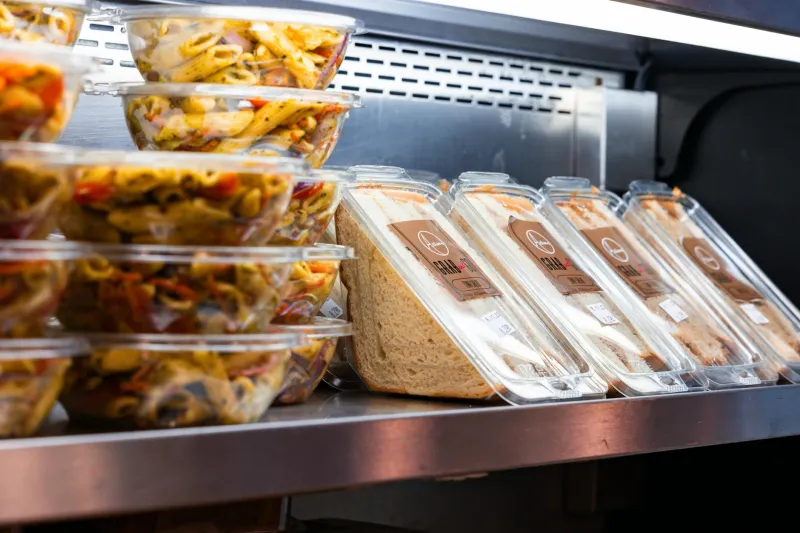
Let's get this out of the way: American gas station food has earned its terrible reputation. For decades, the standard offering was a rotating collection of mystery meat on heated rollers, coffee that could strip paint, and sandwiches that seemed designed to survive nuclear winter.
But while you've been packing granola bars for road trips and planning elaborate detours to avoid convenience store cuisine, something quietly revolutionary has been happening at pumps across America.
The gas station food scene isn't just improving — it's getting genuinely weird in all the best ways.
The Regional Champions You're Driving Past
Start with Wawa, the Pennsylvania-born chain that proved convenience stores could actually make decent hoagies. But that's just the beginning. Casey's General Store, scattered across the Midwest, has been serving surprisingly legit pizza since the 1980s. We're talking hand-stretched dough, real cheese, and toppings that don't taste like they've been sitting under heat lamps since the Clinton administration.
Down South, Buc-ee's has turned the highway pit stop into a destination. Their beef brisket is slow-smoked on-site, their kolaches are made fresh daily, and their wall of jerky varieties could qualify as a cultural anthropology exhibit. People plan vacations around Buc-ee's locations.
Then there's Sheetz in the Mid-Atlantic, where you can order a burger at 3 AM from a touch screen and watch them actually cook it — not just reheat something that's been sitting in a warmer since yesterday.
The Sushi Situation Gets Serious
Here's where things get truly strange: gas station sushi is having a moment. And before you make that face, consider this — some of the cleanest, most regulated food preparation in America happens at convenience stores. They're inspected constantly, have strict temperature controls, and turn over inventory faster than many restaurants.
Chains like 7-Eleven partnered with actual sushi companies to supply their stores. The California rolls at your local gas station might be fresher than what you'd get at that strip mall sushi place that's been "temporarily closed" for three months.
Is it going to compete with your favorite omakase spot? Obviously not. But for a quick lunch that won't destroy your digestive system? It's shockingly viable.
Learning From the Masters
Japan's konbini culture makes American convenience stores look like amateur hour. In Tokyo, you can grab a perfectly balanced bento box, hot ramen, or premium coffee at any 7-Eleven. The food is fresh, affordable, and often better than what you'd get at actual restaurants.
American chains have been quietly studying this model for years. The result is a slow but steady improvement in quality, variety, and freshness. Some stores now have full kitchens, dedicated food preparation areas, and staff who actually know how to cook.
The Fried Chicken Underground
Ask any trucker, delivery driver, or traveling salesperson about gas station fried chicken, and you'll unlock a hidden network of roadside excellence. Certain chains — particularly in the South and Midwest — have perfected the art of crispy, juicy chicken that puts some dedicated chicken joints to shame.
The secret is volume and turnover. Popular gas stations sell so much fried chicken that it's constantly fresh, never sitting around getting soggy. Plus, they're not trying to impress food critics or win awards — they just need to satisfy hungry people who have limited options and high standards for value.
The Pizza Plot Twist
Casey's pizza deserves its own discussion. This Midwestern chain has somehow convinced an entire region that the best pizza comes from a place that also sells gasoline. And the weird thing? They're not wrong.
Casey's uses a sweet sauce that shouldn't work but absolutely does, cheese that stretches for days, and a crust that hits that perfect spot between thin and thick. They make it fresh throughout the day, and in small Iowa towns, it's often the only decent food option for miles.
The fact that you have to walk past motor oil and lottery tickets to get it just adds to the charm.
The Coffee Conspiracy
Gas station coffee used to be a punishment you accepted when desperate. Now? Some chains are serving legitimately good coffee. Wawa's coffee program rivals what you'd get at dedicated coffee shops. QuikTrip's QT Kitchens brew fresh coffee all day and offer flavors that don't taste like they were designed by committee.
The secret is treating coffee like a profit center instead of an afterthought. When gas stations realized people would pay for good coffee — and that good coffee keeps customers in the store longer — they started taking it seriously.
The Taco Truck Effect
Some of the best gas station food comes from partnerships with local vendors. Taco trucks parked permanently at gas stations, local barbecue joints running satellite operations, regional bakeries supplying fresh pastries — these collaborations create food that's both convenient and genuinely good.
It's the same principle that makes food trucks work: low overhead, high turnover, and a direct connection between customer and cook.
Road Trip Redemption
The next time you're planning a long drive, don't automatically pack a cooler full of sad sandwiches. Do some research. Check what chains operate along your route. Look up regional specialties. Read trucker forums for insider recommendations.
You might discover that the best meal of your trip comes from a place that also sells tire pressure gauges and energy drinks. And honestly? That's exactly the kind of weird, wonderful surprise that makes road trips memorable.
The convenience store food revolution is real. The question is whether you're brave enough to be part of it.