The Fizzy Pharmacy: When America's Corner Drugstores Served the Country's Most Inventive Drinks
The Fizzy Pharmacy: When America's Corner Drugstores Served the Country's Most Inventive Drinks
Step into any modern coffee shop and you'll find baristas crafting elaborate drinks with military precision. But long before third-wave coffee culture, America had its own beverage artisans: soda jerks working behind marble fountains, mixing drinks that were part refreshment, part medicine, and entirely theatrical.
These weren't the simple sodas we know today. At the peak of soda fountain culture — roughly 1880 to 1950 — your neighborhood druggist served dozens of concoctions with names like "brain tonic," "nerve food," and "blood builder." Some contained actual medicine. Others just tasted like they should.
The Medicinal Roots of American Refreshment
Soda fountains didn't start as entertainment venues — they began as medical equipment. Pharmacists used carbonated water to mask the bitter taste of medicines, creating the first "medicinal sodas." Customers came for digestive aids and headache cures, but stayed for the show.
The real magic happened when soda jerks began experimenting. They mixed fruit syrups with carbonated water, added cream or egg whites for richness, and created drinks that were genuinely refreshing rather than merely therapeutic. By the 1890s, the soda fountain had evolved from pharmacy necessity to social institution.
"The soda fountain was America's first fast-casual experience," explains beverage historian Dr. Patricia Moore. "You had skilled craftspeople making drinks to order, using fresh ingredients, with a level of customization that we're only just rediscovering today."
 Photo: Dr. Patricia Moore, via thumbs.dreamstime.com
The Lost Language of Fountain Orders
Every regular customer had their own language. A "cherry phosphate" meant cherry syrup mixed with carbonated water and a dash of phosphoric acid for tang. An "egg cream" — which contained neither eggs nor cream — combined chocolate syrup, milk, and seltzer water into something mysteriously greater than its parts.
Then there were the regional specialties. In the South, customers ordered "shrubs" — drinking vinegars mixed with fruit syrups and soda water that were surprisingly refreshing. Chicago fountains served "Green Rivers," a lime-flavored concoction that turned an alarming shade of green. New York specialized in complex ice cream sodas that required architectural skill to construct properly.
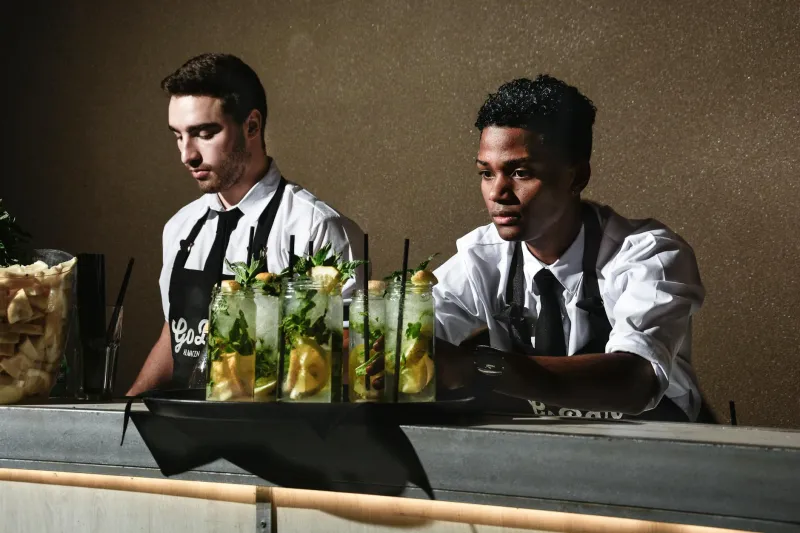
The most skilled soda jerks could prepare a dozen different drinks simultaneously, working multiple taps and dispensers while maintaining conversations with customers. They memorized hundreds of recipes and could improvise new combinations on request.
Theater at the Counter
What made soda fountains special wasn't just the drinks — it was the performance. Soda jerks developed elaborate routines, flipping glasses, creating towering foam heads, and adding finishing touches with theatrical flair. The best ones were part chemist, part entertainer, part neighborhood confidant.
Customers came as much for the spectacle as the refreshment. Children pressed their faces against the marble counters, watching soda jerks work their magic. Adults lingered over newspapers and conversations, turning the fountain into an informal community center.
"My grandfather described his local soda fountain like people talk about their favorite bartender today," recalls vintage beverage enthusiast Tom Rodriguez. "The soda jerk knew everyone's drink, their family news, their problems. It was social media before social media."
The Bottled Revolution
Soda fountains began declining in the 1940s as bottled sodas became widely available. Why wait for a custom-mixed phosphate when you could grab a Coke from a cooler? The convenience was undeniable, but something essential was lost in translation.
Mass-produced sodas standardized American taste preferences around a few dominant flavors — cola, root beer, lemon-lime. The dozens of fountain specialties that had defined regional drinking culture gradually disappeared. By the 1960s, most pharmacies had removed their fountains entirely, replacing them with greeting card racks and cosmetics displays.
The shift represented more than changing consumer habits — it marked the end of an era when beverages were crafted rather than manufactured, when every drink was made fresh to order by someone who took pride in the result.
The Artisan Revival
Today, a small but growing number of bartenders and specialty shops are rediscovering fountain classics. Craft cocktail bars serve house-made shrubs and phosphates. Artisan soda companies produce small-batch versions of forgotten flavors. Even some pharmacies are installing vintage-style fountains as novelty attractions.
The revival isn't just nostalgic — these drinks offer genuine alternatives to modern sodas. Shrubs provide complex flavor profiles that balance sweet, sour, and savory notes. Phosphates deliver refreshment without overwhelming sweetness. Egg creams create richness and satisfaction without heavy dairy content.
"When you taste a properly made cherry phosphate, you understand why people were willing to wait for it," explains Sarah Chen, who operates a vintage-style fountain in Portland. "It's bright, complex, and refreshing in a way that bottled cherry soda just isn't."
Lessons from the Fountain
The golden age of soda fountains offers insights beyond beverage history. These establishments succeeded because they combined quality ingredients, skilled preparation, and genuine hospitality. They created experiences rather than just selling products.
Modern food entrepreneurs can learn from this approach. In an age of mass production and convenience, there's still appetite for craftsmanship and customization. The success of craft coffee, artisan cocktails, and specialty food trucks proves that Americans will pay for quality and authenticity when they can taste the difference.
The soda fountain also demonstrates the importance of the "third place" — spaces that aren't home or work but serve as community gathering spots. As we become increasingly digital, the need for physical spaces that encourage genuine human interaction becomes more valuable, not less.
So the next time you're sipping a craft cocktail or waiting for a custom coffee drink, remember that America once had an entire network of beverage artisans working behind marble counters, creating liquid magic one glass at a time. They understood something we're just rediscovering: that the best drinks aren't just about quenching thirst — they're about creating moments worth savoring.