The Cuts Your Butcher Wishes You'd Ask About — And Why They Disappeared From American Tables
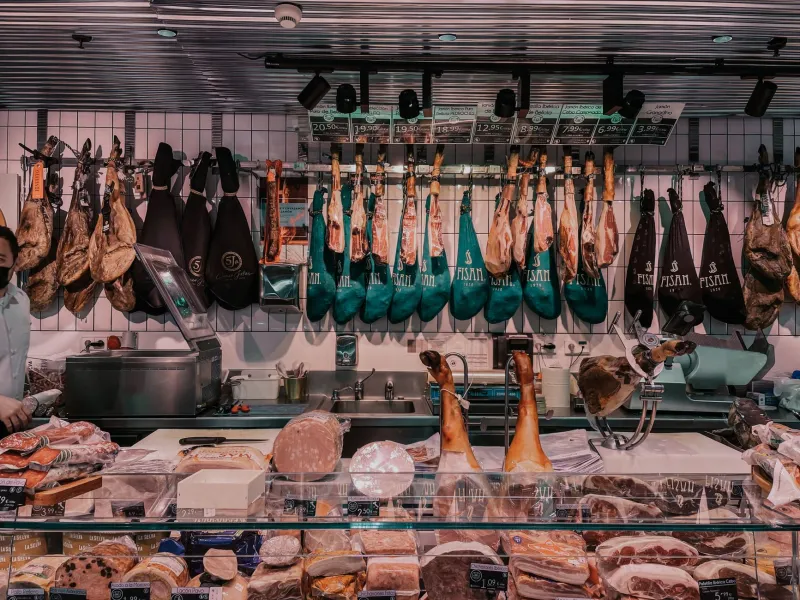
Walk into a full-service butcher shop — the kind that's been around long enough to have a hand-lettered sign and a guy behind the counter who actually knows what he's selling — and ask for beef heart. Watch what happens.
Nine times out of ten, the butcher will light up. Not because the request is exotic or impressive, but because it's genuinely rare. Most customers walk past the case, head straight for the ribeyes and the chicken breasts, and leave without ever knowing what they missed. The butcher knows. He's been knowing.
When Offal Wasn't a Punchline
For most of American culinary history, the idea of eating "nose to tail" wasn't a philosophy — it was just Tuesday. Organ meats, marrow bones, trotters, tongue, and tripe moved through butcher shops as naturally as ground beef does today, because wasting any part of an animal was economically unthinkable for most families.
Depression-era cookbooks are full of liver recipes — not apologetic ones, but enthusiastic ones, written for cooks who viewed liver as a genuinely desirable ingredient rather than a nutritional obligation. Kidneys showed up in breakfast skillets. Bone broth, made from the bones and knuckles that nobody else wanted, simmered on the back of stoves across the country. Heart, which is technically just a very hard-working muscle, got braised low and slow until it was tender enough to slice thin over potatoes.
These weren't poverty foods in the shame-faced sense. They were the foundation of a practical, flavor-forward cooking tradition that knew how to coax the most out of every animal it used.
How the Supermarket Changed Everything
The shift happened gradually, then all at once. As supermarkets consolidated the American food supply through the mid-20th century, the cuts they chose to stock reflected what they could move efficiently and at scale. Boneless, uniform, easily packaged protein won the shelf war. Liver sold, but slowly. Kidney sold slower. Tripe, tongue, and sweetbreads required a customer who knew what to do with them — a shrinking demographic as the generation that had grown up cooking them aged out.
By the 1970s and '80s, organ meats had acquired a cultural stigma that had little to do with their actual quality. They became associated with hardship, with immigrant kitchens, with grandparents who "ate weird things." The aspirational American dinner table wanted steak, not stomach.
Meanwhile, the flavor and nutritional density those cuts carried — beef liver is arguably the most micronutrient-dense food you can buy at a butcher counter — went largely unappreciated by the broader market.
What the Butchers Knew All Along
Here's what's quietly remarkable about this story: the butchers never forgot. Walk into any shop that does its own breaking — meaning they take in whole or half animals and cut them down themselves — and the staff will tell you, without hesitation, that the "lesser" cuts are often the better ones.
Bone marrow is the obvious example. Roasted in the bone, finished with a little flaky salt and served on toast, it's one of the richest, most satisfying things you can eat. Fancy restaurants figured this out years ago and started charging accordingly. But marrow bones have always been cheap. They're still cheap. The bones are right there.
Oxtail is another one. Collagen-rich and deeply flavorful, it braises into something extraordinary — the kind of dish that makes a pot of braised ribeye feel like a missed opportunity. Oxtail used to be nearly free. It's gotten more expensive as restaurant culture rediscovered it, but it's still a fraction of the cost of comparable "premium" cuts.
Beef tongue, once a staple of Jewish delicatessens and Mexican taquerias alike, is tender, mild, and extraordinarily versatile. It's also consistently ignored by the majority of American shoppers, which means it stays affordable for the people who know to ask for it.
The Grandparent Connection
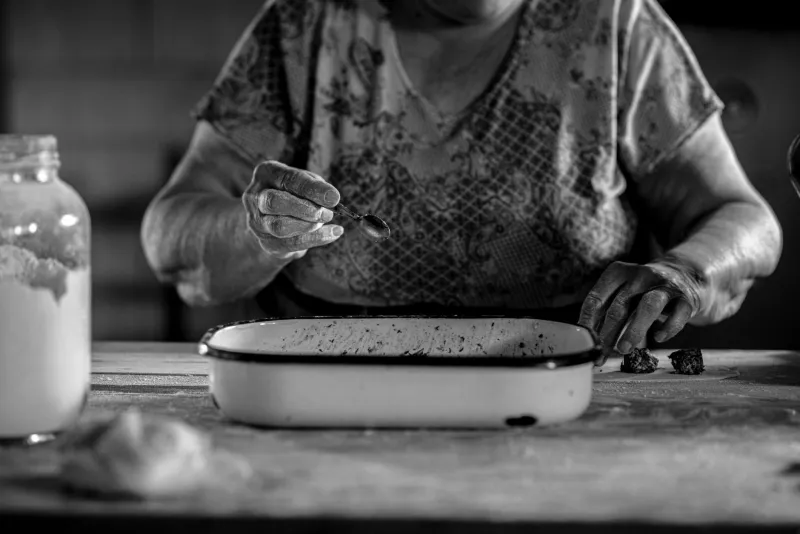
Something interesting is driving a quiet revival in these cuts, and it's not just restaurant chefs and food media. A meaningful number of younger home cooks are rediscovering offal through their grandparents' recipe collections — the same handwritten cards and church cookbooks that are preserving all kinds of culinary knowledge that the mainstream food industry forgot.
A recipe for stuffed heart. A method for rendering kidney fat into suet. Instructions for making headcheese that assume the reader already knows what headcheese is. These documents are opening doors for cooks who grew up eating nothing but boneless skinless chicken breast and are now curious about what they've been missing.
The economics help too. At a time when grocery bills are genuinely painful, the argument for a two-dollar pound of liver that delivers more iron than a steak costing four times as much is not a hard one to make.
How to Start
If you've never cooked offal and the idea feels daunting, the entry points are gentler than you'd expect. Bone marrow requires almost no technique — just roast the bones, scoop, and eat. Chicken livers, cooked fast in butter with a little shallot and deglazed with wine or vinegar, take about ten minutes and taste like something from a French bistro.
From there, the path to braised tongue or stuffed heart is shorter than it seems. The technique is mostly just patience — low heat, enough time, and the willingness to let an unfamiliar cut do what it was always capable of doing.
Your butcher will be genuinely glad you asked. He's had those bones sitting there all week.