The One Jar That Used to Live in Every American Kitchen — And Made Dinner Possible All Year
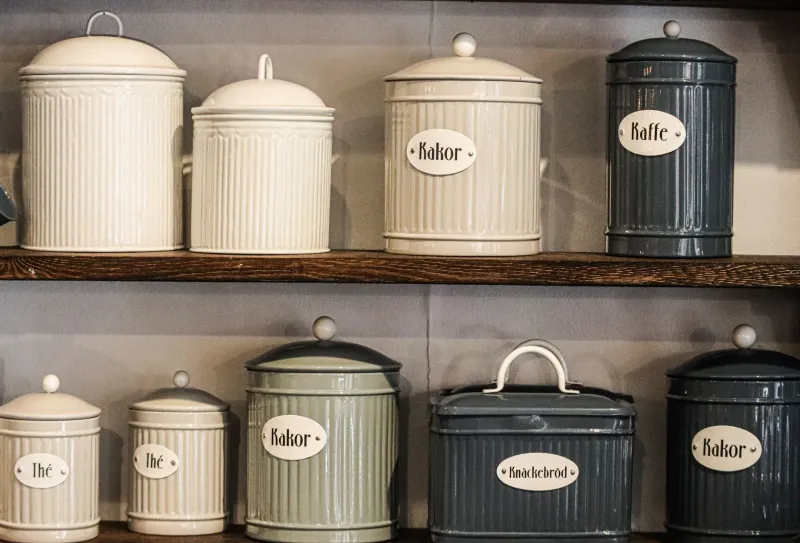
There's a good chance your great-grandmother had a ceramic crock or a coffee can sitting near the stove. It wasn't decorative. It wasn't a conversation piece. It was the most important thing in her kitchen, and she refilled it constantly, almost without thinking about it.
It held rendered lard — saved fat from every pork roast, every bacon breakfast, every ham hock that had given its last bit of flavor to a pot of beans. And from that single, unglamorous container, she built a significant portion of every meal she ever cooked.
The Foundation Ingredient Nobody Talks About
When food historians talk about the building blocks of American regional cooking, they tend to focus on ingredients that are easy to romanticize — heirloom tomatoes, heritage grains, regional hot sauces. What gets skipped over is the ingredient that actually made those regional cuisines function on a daily basis: the fat that cooked everything, enriched everything, and preserved things that would otherwise have spoiled.
Lard specifically — rendered pork fat — was the dominant cooking fat in American kitchens from the colonial era well into the mid-20th century. It was cheap, it was shelf-stable without refrigeration when properly rendered, and it had a smoke point high enough to fry, sauté, and roast with equal reliability. It also carried flavor in a way that vegetable shortening and refined oils simply don't.
In Southern cooking, lard is what makes a cast-iron skillet of cornbread develop that particular crackling, golden crust on the bottom. In Mexican-American kitchens, it's what gives refried beans their smooth, rich depth. In Pennsylvania Dutch country, it was the medium through which schmaltz and lard-based pastries developed a texture that modern butter-only versions still can't fully replicate. The fat wasn't incidental to these dishes. It was structural.
More Than Just a Cooking Medium
But lard's role in American kitchens went further than just frying and sautéing. Rendered fat was a preservation technology. Potted meats — cooked meat packed into jars and sealed under a thick layer of rendered fat — could be stored for weeks or months without refrigeration, a critical advantage in an era before electric coolers were universal. The fat created an airtight barrier against bacteria, essentially doing what a modern vacuum seal does.
Fat also extended the flavor of ingredients that were scarce or seasonal. A pan dripping with bacon fat wasn't wasted — it was poured off and saved. Those drippings went back into green beans, into pie crusts, into the skillet for the next morning's eggs. Nothing was lost because nothing could afford to be lost.
There's an ingenuity in this that modern kitchens have largely abandoned. Every cooking session generated a resource that fed the next one. The kitchen was a closed loop.
How Crisco Rewrote the Pantry
The story of lard's decline is also the story of one of the most successful marketing campaigns in American food history. Procter & Gamble introduced Crisco — a hydrogenated vegetable shortening — in 1911, and they didn't just sell a product. They sold a story.
Crisco was marketed as modern, clean, and scientific — a contrast to lard, which the campaign subtly framed as old-fashioned and animal-derived in a way that implied it was somehow less hygienic. The company distributed free cookbooks with recipes designed specifically for Crisco. They targeted home economics teachers and domestic science programs. Within a generation, Crisco was in millions of American kitchens that had previously relied on lard.
The irony, of course, is that hydrogenated vegetable shortening turned out to be far worse for human health than lard — loaded with trans fats that contributed to cardiovascular disease in ways that animal fat, consumed in reasonable quantities, did not. It took decades for that research to catch up with the marketing.
By the time the trans fat story broke, though, the cultural shift was complete. Lard had been replaced not just by Crisco but by a whole ecosystem of refined vegetable oils, cooking sprays, and butter substitutes. The ceramic crock near the stove was gone.
What the Pantry Lost
The practical losses are real and measurable. A pie crust made with lard has a flakiness that butter and shortening approximate but don't quite match — it's a function of lard's unique fat crystal structure. Tamales made with lard have a texture that vegetable shortening versions are still chasing. Fried chicken cooked in lard has a particular quality to the crust that's genuinely hard to describe until you've tasted it.
But the deeper loss is the systems thinking that lard represented. The habit of saving, reusing, and building flavor across multiple meals is something that modern convenience cooking actively discourages. When cooking fat comes in a spray can or a plastic bottle designed to be thrown away, the idea of treating it as a resource to be managed across an entire week of cooking doesn't occur to most people.
The Quiet Comeback
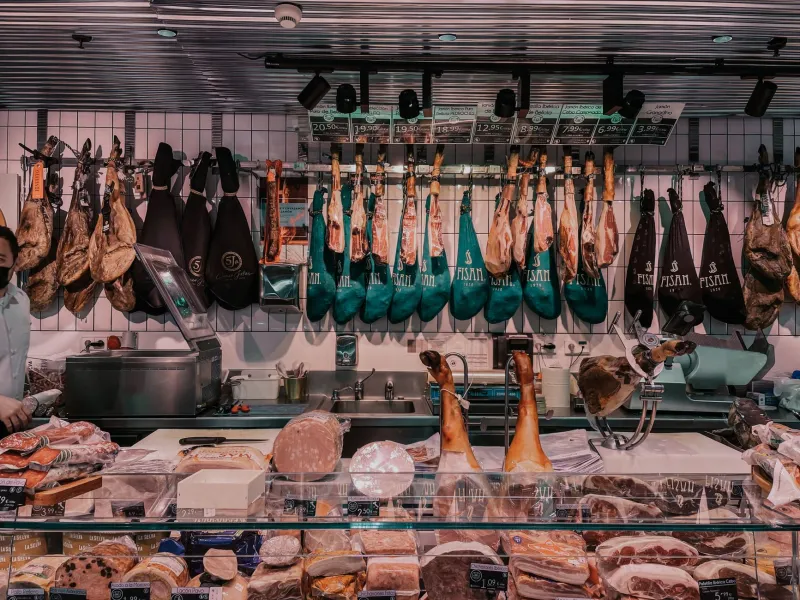
Leaf lard — the highest-quality rendered pork fat, taken from around the kidneys — has been quietly reappearing at farmers markets and specialty butchers for the past decade. Bakers who found it rediscovered what their grandmothers already knew: there's a reason pie crust recipes from the early 20th century called for lard without apology.
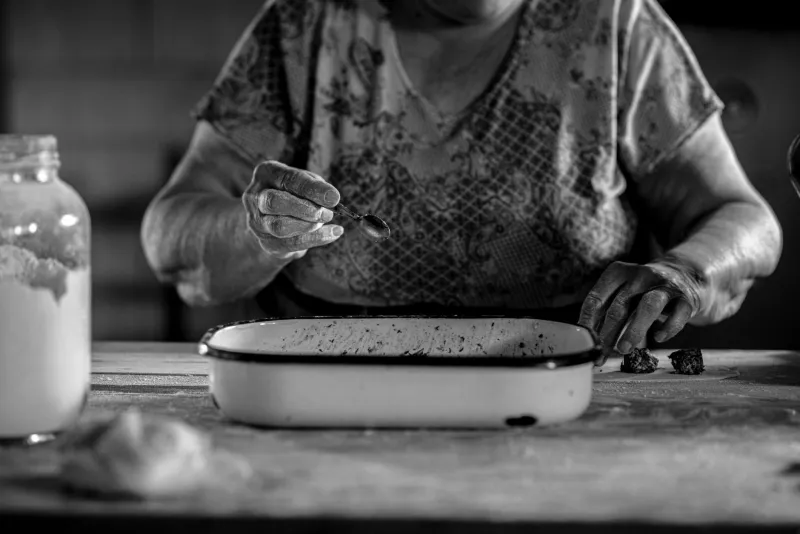
Some home cooks are going further, rendering their own fat from pork belly or fatback and keeping it in the refrigerator the way their grandparents kept it on the counter. The flavor payoff is significant. The cost is minimal.
The jar near the stove is making its way back into American kitchens — slowly, without fanfare, and mostly without anyone calling it a trend. Which is probably exactly how your great-grandmother would have wanted it.