The Little Shaker That Quietly Ruled American Cooking — and Somehow Got Forgotten Anyway
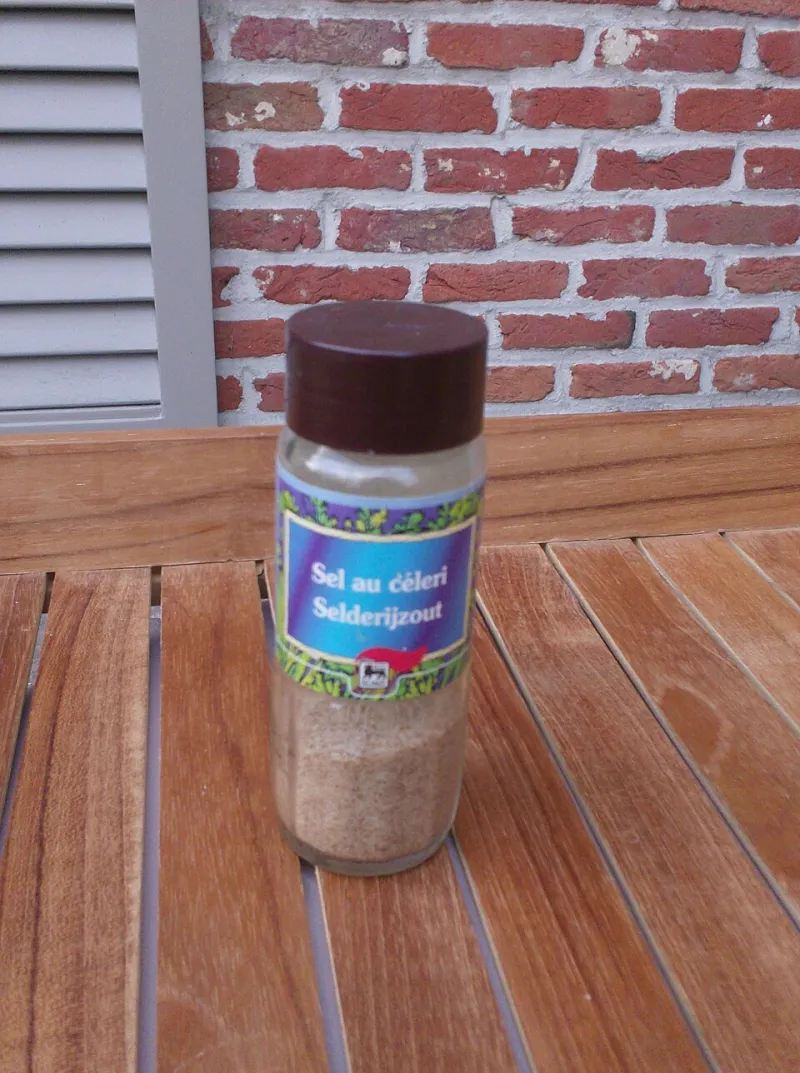
Photo: Zeisterre, CC BY-SA 3.0, via Wikimedia Commons
There's a spice sitting in most American grocery stores that almost nobody under forty reaches for intentionally. It's not exotic, it's not expensive, and it's definitely not trending on any social platform. The label just says "celery salt," and most shoppers walk right past it on their way to the smoked paprika. Which is a shame, because celery salt has a longer and more interesting culinary résumé than almost anything else on that shelf — and the chefs who stumble back onto it tend to get a little obsessive about it.
This is the story of how one humble shaker quietly ran American cooking for the better part of a century, then somehow became invisible.
It Started With Victorian Health Obsessions
To understand why celery salt became so embedded in American cooking, you have to understand what celery meant to the nineteenth century. Today, celery is the vegetable people eat when they're pretending not to be hungry. In the Victorian era, it was considered a health food with almost medicinal status — a nerve tonic, a digestive aid, a vegetable so refined that it appeared on fancy restaurant tables in dedicated celery vases, served upright in ice water as a kind of edible centerpiece.
Celery seed, the small dried fruit of the celery plant, was used in medicine and cooking both. Mixed with salt — either fine-ground or blended — it became celery salt, a seasoning that carried the vegetable's herbal, slightly bitter, faintly anise-adjacent flavor in a dry, shelf-stable, completely practical form. By the late nineteenth century, celery salt was being manufactured and sold commercially, and it found its way into American kitchens with the kind of quiet authority that only truly useful ingredients achieve.
It wasn't a trend. It was a tool.
The Golden Era: Diners, Steakhouses, and Ballpark Franks
By the early and mid-twentieth century, celery salt had worked its way into the foundation of American everyday cooking in ways that most people today don't realize. Consider the hot dog. The Chicago-style hot dog — one of the most specifically constructed regional foods in the country — requires celery salt as a non-negotiable component. Not optional, not a variation. Required. The combination of the bright salt, the poppy seed bun, the sport peppers, and the neon relish creates a flavor balance that simply doesn't work without it. Chicago hot dog purists will tell you this with an intensity that suggests they'd rather skip the whole thing than compromise on the celery salt.
But it wasn't just hot dogs. Deviled eggs — a fixture at every church potluck, family reunion, and holiday spread for generations — traditionally called for celery salt as part of the filling. The slightly bitter herbal note cut through the richness of the yolk-and-mayo mixture in a way that plain salt couldn't. Coleslaw dressings used it. Potato salad called for it. The Bloody Mary, which became America's defining brunch cocktail, was almost always finished with a rim or a pinch of celery salt — a tradition that persists in the drink's best versions today.
Steakhouse kitchens used celery salt in dry rubs and seasoning blends. Diner cooks reached for it on eggs, on hash, on the kind of simple savory food that needed a flavor boost without getting complicated. It was the kind of ingredient that good short-order cooks knew instinctively and couldn't always explain.
What Celery Salt Actually Does
Here's the thing about celery salt that makes chefs light up when they rediscover it: it doesn't taste like celery. Not exactly. What it does is add a layer of savory complexity that plain salt can't provide — a slightly vegetal, faintly bitter, herbal undertone that makes other flavors around it more interesting without announcing itself. It's the kind of seasoning that, when used correctly, makes people say "what is that?" in a good way.
The celery seed component contains compounds called phthalides, which are responsible for that distinctive flavor. Those same compounds are what give celery its characteristic smell when you cut it — but concentrated in a dry spice form, they behave differently, integrating into food rather than sitting on top of it. That's why celery salt works in a Bloody Mary but doesn't make it taste like you dropped a stalk of celery into your glass.
Food scientists would call it a flavor modifier. Cooks who use it regularly would just call it the thing that makes the dish work.
How It Got Forgotten
The decline of celery salt in the American home kitchen tracks closely with the broader homogenization of the spice aisle. As grocery stores expanded their spice sections in the 1970s and 1980s, filling shelves with global flavors and specialty blends, the old American pantry staples started to look plain by comparison. Celery salt, which had never been glamorous to begin with, became easy to overlook. Newer generations of home cooks, building their spice collections around recipes that called for cumin and smoked paprika and za'atar, simply never added it to the rotation.
It didn't help that celery salt lacks a compelling origin story or a charismatic regional identity. It's not associated with a particular cuisine the way, say, Old Bay is associated with Chesapeake seafood. It's the utility player of the spice world — excellent at its job, rarely celebrated for it.
The Quiet Comeback
Among chefs who cook American food seriously — the kind who care about what a deviled egg actually tasted like in 1955, or why a Chicago hot dog is built the way it is — celery salt has never gone away. In restaurant kitchens that specialize in regional American cooking, it tends to show up in the seasoning rotation as a matter of course.
At home, the rediscovery usually happens by accident. Someone makes deviled eggs with celery salt for the first time and realizes something was missing from all their previous versions. Someone orders a properly made Bloody Mary and notices the difference. Someone makes a dry rub for ribs using an old recipe and decides to leave the celery salt in instead of substituting.
And then, usually, they start putting it on everything.
The spice aisle is full of things that are fashionable and things that are functional. Celery salt is firmly in the second category — which is exactly why it outlasted every trend that passed it by, and exactly why it's worth picking up the next time you walk past it.