Hot Food on Wheels: The Horse-Drawn Lunch Wagons That Invented Street Dining a Century Before Anyone Called It Cool
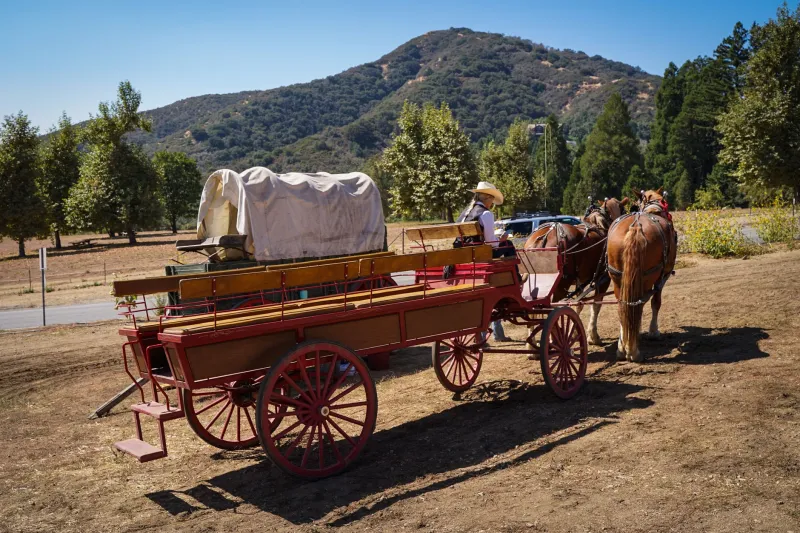
Every time a food truck rolls up to a parking lot and a line forms before the window even opens, we treat it like a modern invention — some millennial mashup of entrepreneurship and avocado toast. But here's what the food media tends to skip: Americans were lining up at mobile kitchens before most of their great-grandparents were born. The food truck didn't appear out of nowhere in 2008. It was invented in the 1880s, pulled by horses, and it fed an entire working nation.
The Night Owl That Started Everything
The origin story traces back to Providence, Rhode Island, around 1872, when a man named Walter Scott loaded a covered wagon with sandwiches, boiled eggs, and slices of pie and parked it outside a newspaper office late at night. His customers were pressmen, typesetters, and editors who worked past the hours when any respectable restaurant was open. The idea was so obvious and so immediately profitable that it spread fast.
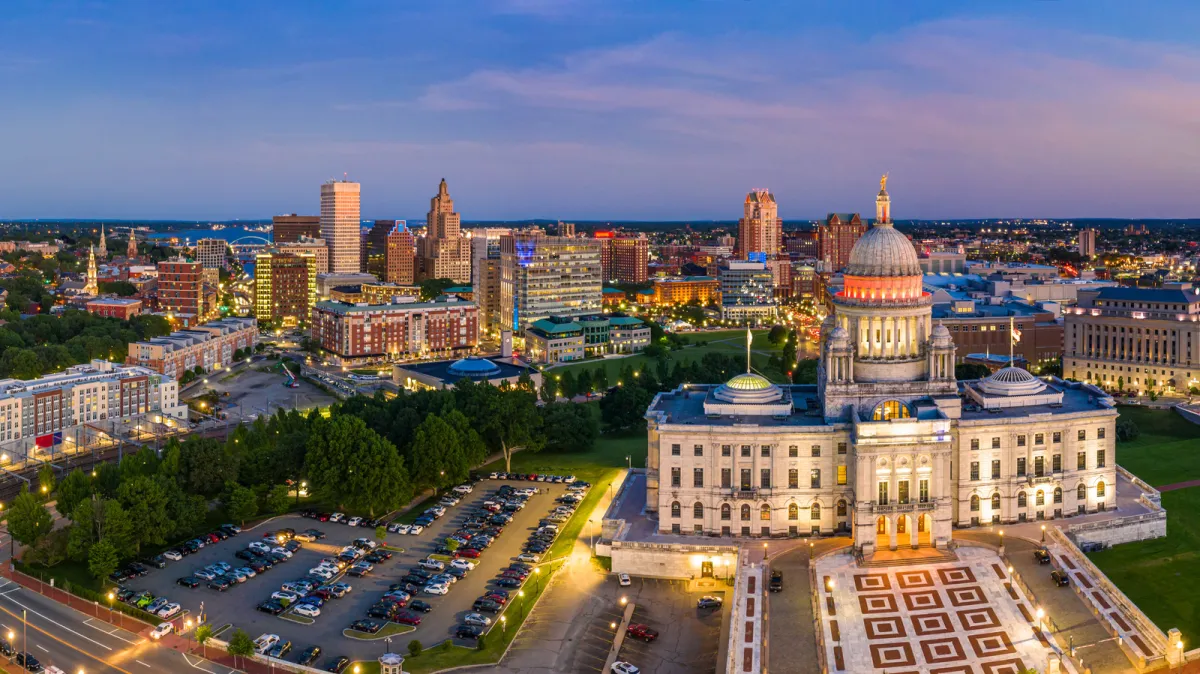 Photo: Providence, Rhode Island, via www.housedigest.com
Within a decade, lunch wagons — as they came to be called — were a fixture in industrial cities across the Northeast. Worcester, Massachusetts, became something of a ground zero for the trade. Operators there began commissioning purpose-built wagons from local carpenters, and then from dedicated manufacturers who understood that a rolling kitchen needed to be engineered differently than a simple cart. These weren't just wagons with food in them. They were compact, clever, fold-out operations with built-in griddles, coffee urns bolted to the frame, and hinged serving counters that dropped down to create a standing bar along the side of the vehicle.
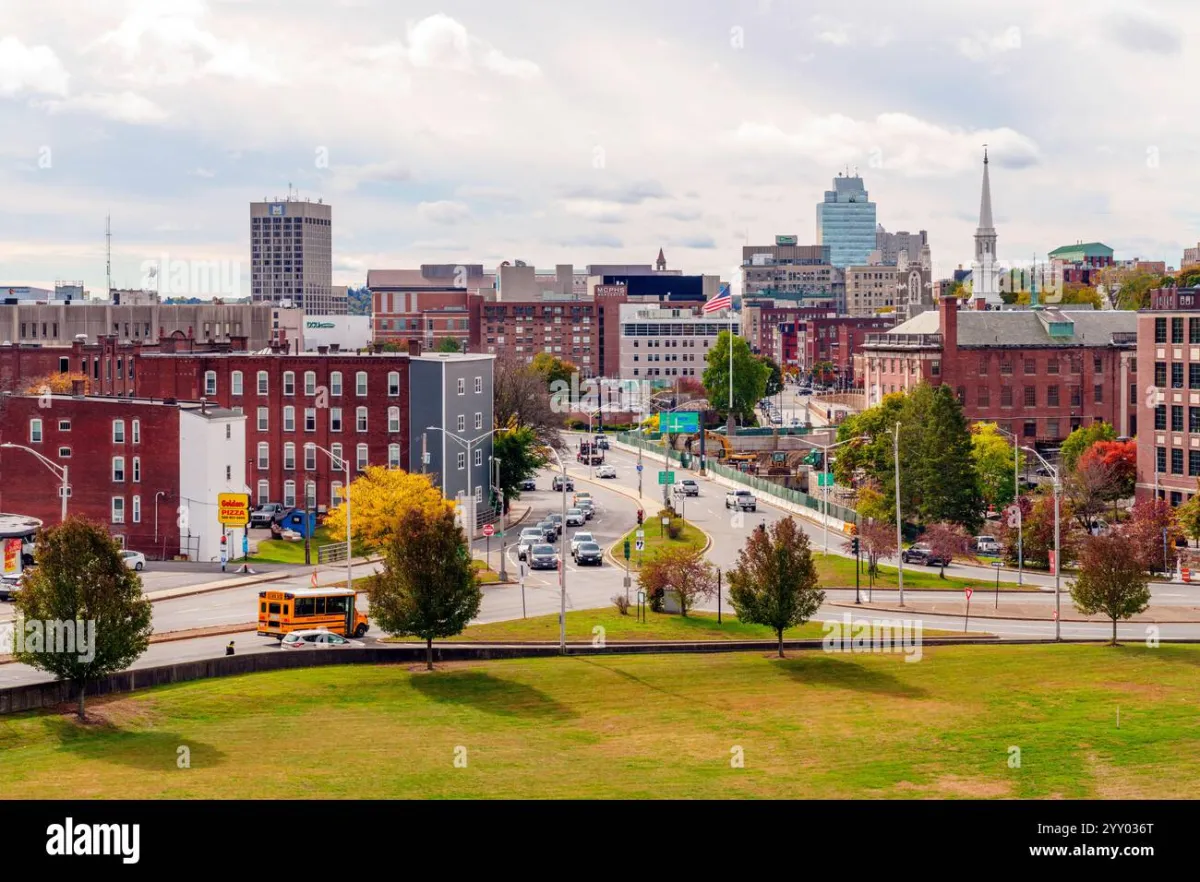 Photo: Worcester, Massachusetts, via c8.alamy.com
The engineering was genuinely impressive for the era. Some wagons featured interior seating for four or five customers, with stools bolted to the floor and a narrow counter running the length of the interior wall. Others were designed purely for quick service — a window, a menu board, and an operator who could hand you a hot beef sandwich and a mug of coffee in under two minutes. Sound familiar?
The Regulars, the Specials, and the Loyalty Economy
What made the lunch wagon culture so durable wasn't just convenience — it was relationship. The best operators ran what was essentially a neighborhood institution on wheels. They knew their regulars by name, knew which factory whistle signaled the shift change, and timed their arrival accordingly. Certain wagons became famous for specific dishes: a particular style of baked beans, a house-made hot sauce, a pie that workers would specifically plan their break around.
This was the secret menu economy before anyone had a name for it. Regulars at a good lunch wagon often got access to off-menu items — leftovers transformed into something new, or a dish the operator made at home that they'd bring along in a separate pot. The transaction was personal in a way that a diner or a hotel dining room simply couldn't replicate.
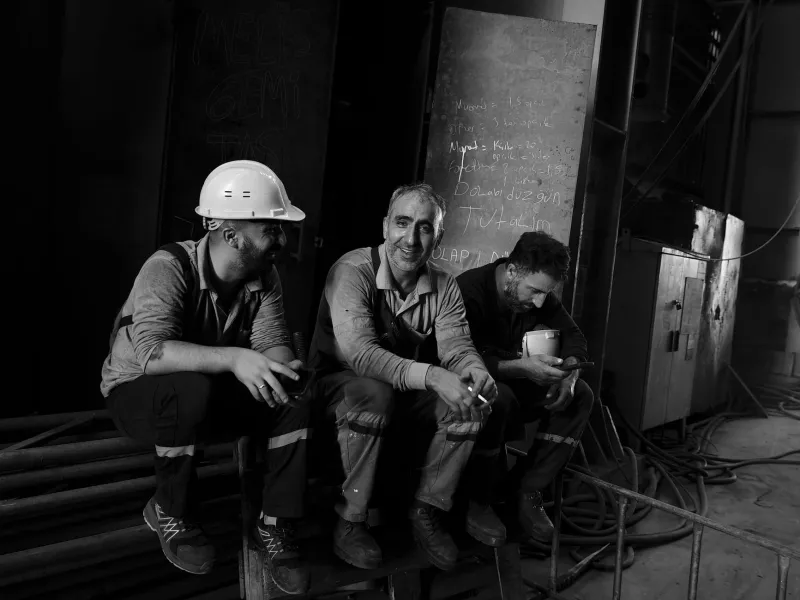
Operators also ran their businesses with a kind of creative hustle that would look completely at home in today's food truck scene. They repositioned based on demand — following construction projects, setting up near train depots during peak travel hours, or moving to a different neighborhood when a new factory opened. The most successful ones developed almost cult-like followings among specific trades. Iron workers, newspaper printers, and rail yard crews each had their preferred wagons, their preferred spots, their preferred operators.
Why History Forgot Them
By the early twentieth century, the lunch wagon was everywhere — and that ubiquity made it a target. Brick-and-mortar restaurant owners lobbied city governments to restrict where wagons could park and operate. Health reformers, who were deeply suspicious of food prepared in unregulated mobile environments, added pressure. Cities began requiring permits, limiting hours, and eventually pushing wagons off the most desirable streets entirely.
The diner — which was itself a direct descendant of the lunch wagon, just bolted to a foundation — absorbed much of the culture and the customer base. By the 1930s and 1940s, the mobile lunch wagon had largely faded from American cities, replaced by fixed-location diners that offered more seating, more menu variety, and a permanent address that made city regulators happy.
Food history, which tends to focus on restaurants with names and chefs with legacies, mostly moved on without them. The lunch wagon operators were working-class entrepreneurs who didn't leave behind cookbooks or press clippings. Their menus weren't preserved. Their wagons, mostly, rotted or were repurposed. The culture they built evaporated without much of a written record.
The Rediscovery Nobody Announced
When the modern food truck boom exploded in cities like Los Angeles, Portland, and Austin around 2008, the press covered it as a brand-new phenomenon born from recession-era entrepreneurship and social media marketing. Both of those things were true. But underneath the novelty was something much older: the same basic logic that Walter Scott figured out in Providence in 1872. Take good food to where hungry people already are. Keep the overhead low. Build loyalty one transaction at a time.
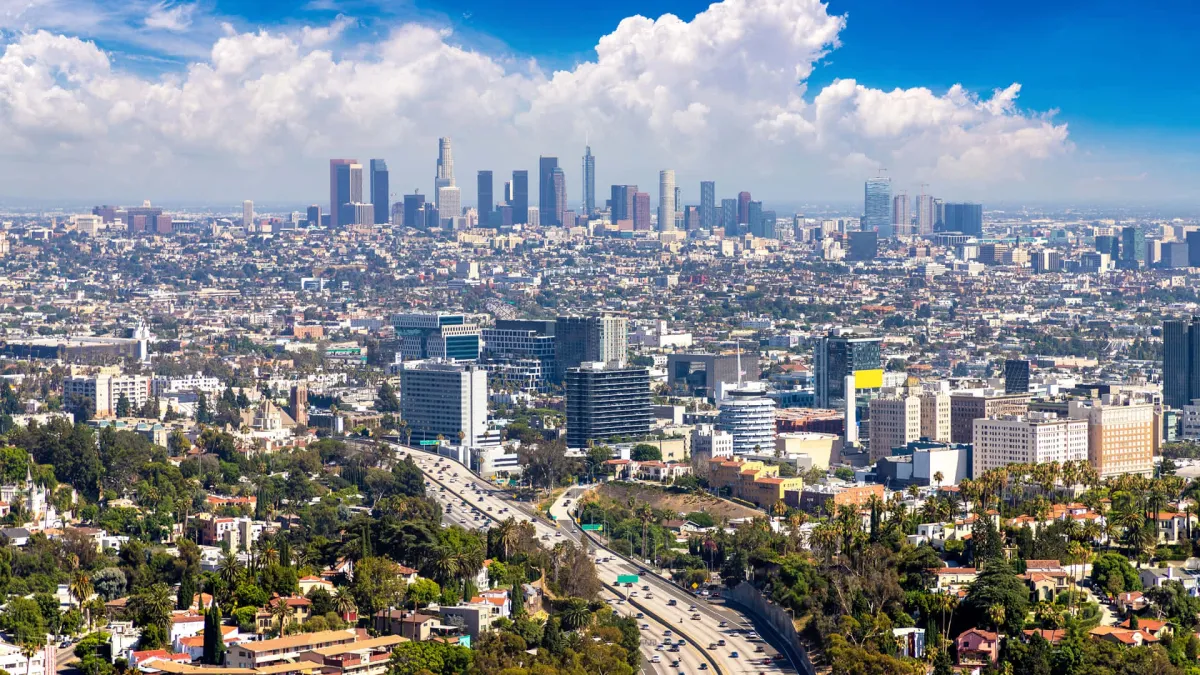 Photo: Los Angeles, via wallpapers.com
Today's food truck operators who obsess over their regular customers, who develop off-menu items for their most dedicated fans, who reposition their truck based on where the crowds are moving — they're not innovating. They're remembering, even if they don't know it.
The lunch wagon didn't vanish because it was a bad idea. It vanished because it was too good an idea, and the people who ran fixed kitchens felt the competition. That the concept survived in cultural memory long enough to be rediscovered says something about how durable the model really is.
Next time you're standing in line at a food truck, waiting for a window to slide open, take a second to picture a horse, a folding counter, and a guy in an apron who knew every single one of his customers by name. That's where you actually are.