The Sandwich Nobody Wrote Down: How Deli Workers Fed Themselves Better Than Their Customers
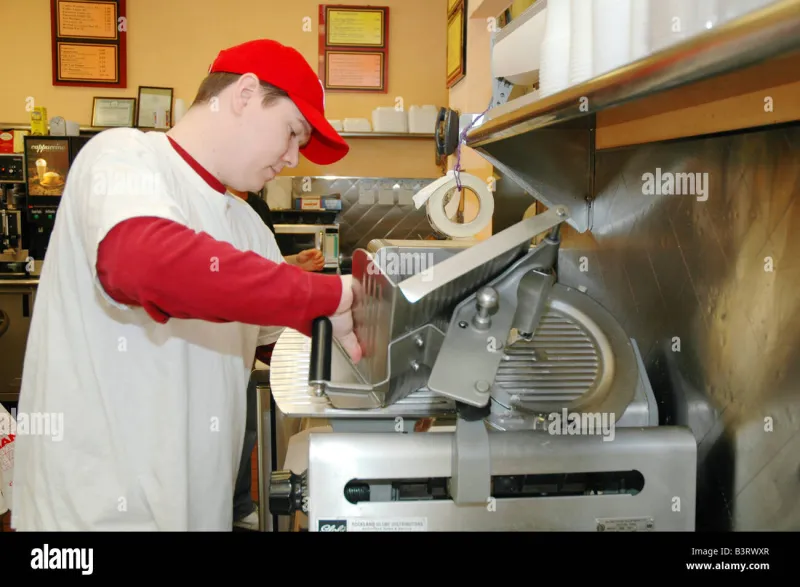
Photo: deli counter worker slicing meat vintage sandwich shop, via c8.alamy.com
There's a particular kind of knowledge that lives behind a deli counter. It doesn't come from a culinary school or a recipe card. It comes from years of slicing, stacking, and quietly noticing that the stuff nobody orders — the end cuts, the pan drippings, the bread heels — makes the best sandwich in the house.
Ask a veteran deli counterman what he eats for lunch, and you'll get either a knowing grin or a suspicious squint. Because for most of the twentieth century, the real menu at any serious deli, hoagie shop, or old-school sandwich counter wasn't the one laminated to the wall. It was the one that existed entirely in the heads of the people who worked there.
The Butcher's Privilege, Translated to Bread
The tradition has deep roots. Butchers have always eaten differently than their customers — keeping the richest trimmings, the fattest cuts, the parts that don't photograph well but taste extraordinary. Deli workers inherited that same logic. When you spend eight hours surrounded by cured meats, roasted birds, and house-made spreads, you develop strong opinions about what actually deserves to be eaten together.
In Italian-American neighborhoods from South Philadelphia to the North End of Boston, the off-menu hoagie was practically an institution. Countermen would layer the ends of multiple meats — the last two inches of a prosciutto log, the crumbled edges of a capicola block, the slightly darker exterior slices of roasted pork — onto a roll with whatever soft cheese was running low. Nothing about it was intentional. Everything about it was better than the $14 special.
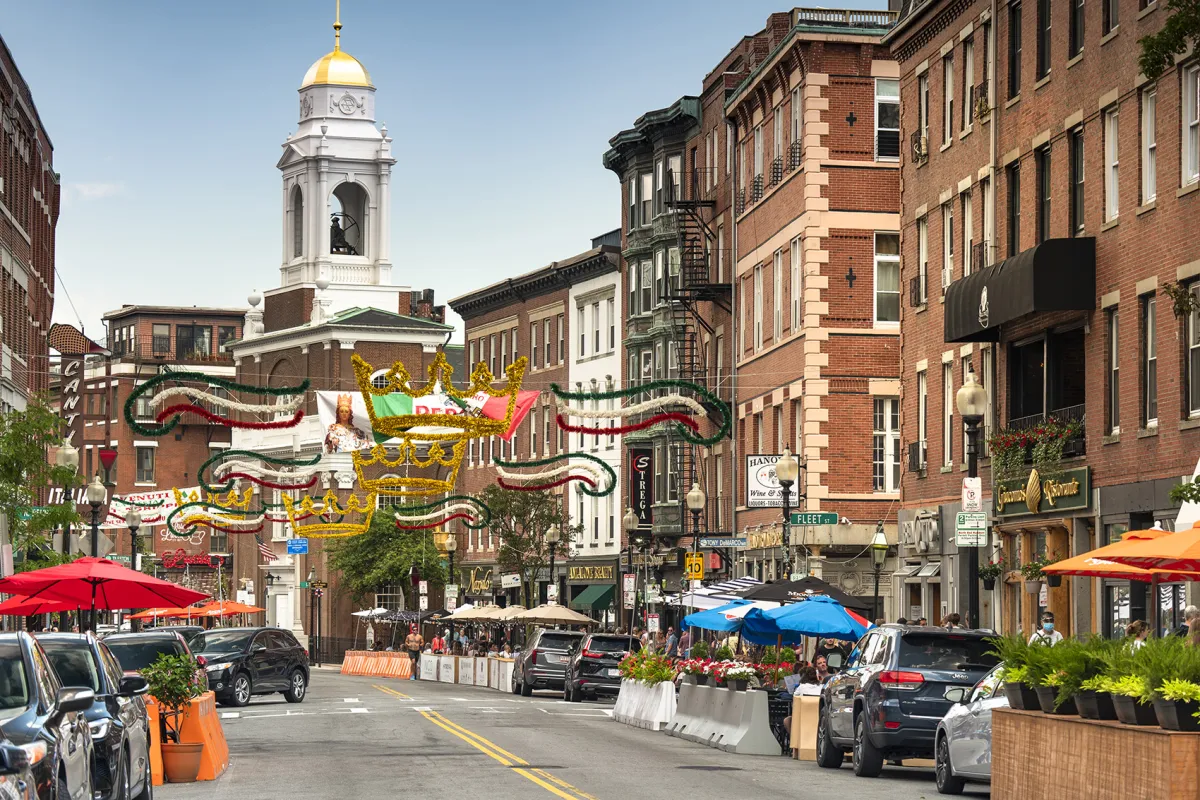 Photo: North End of Boston, via www.cathaypacific.com
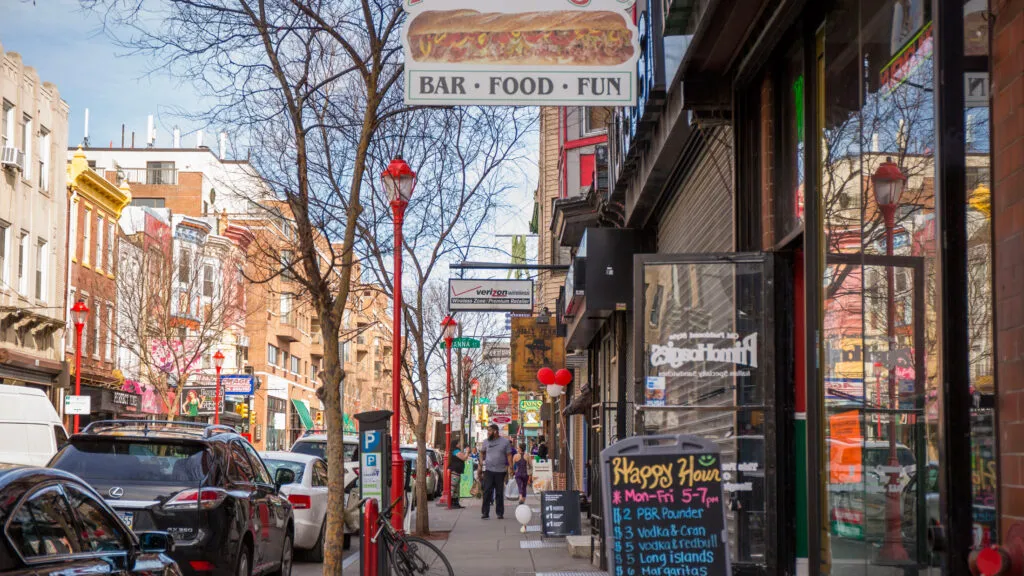 Photo: South Philadelphia, via philadelphiabeautiful.com
In Jewish delicatessens, the equivalent was often built around brisket. The point cut, the fatty end that gets pushed aside during service because it doesn't slice clean, was frequently reserved for staff. Layered onto rye with a smear of schmaltz or a spoonful of rendered onions from the steam table, it was the kind of thing regulars begged for and management quietly tolerated.
Why Keeping It Off the Menu Made It More Powerful
There's a psychology to the unmarked sandwich that goes beyond simple scarcity. When something isn't for sale, it carries a different weight. You can't just walk in and order it — you have to know someone, or be someone, or at least have spent enough time at the counter to graduate from customer to regular to trusted enough to ask.
That social architecture did something interesting: it made the food feel earned. The guy who finally got the counterman at his neighborhood Italian deli to build him a "trash hoagie" — their term, said with affection — didn't just have a sandwich. He had a relationship. A credential. Something worth telling people about.
Word spread the old-fashioned way, through neighborhoods and lunch tables and the specific kind of bragging that sounds like a tip. "Don't order off the menu. Just tell them you want what the guys in the back eat." That sentence, in various forms, has launched a thousand pilgrimages.
The Ingredients That Never Made the Cut
What actually went into these builds varied wildly by region and establishment, but a few patterns emerged across the country. Day-old roasted meats, especially beef and pork, were common — the previous day's roast, reheated briefly or served cold, with a more concentrated flavor than anything fresh off the spit. Rendered fats and pan drippings appeared as spreads in place of mayo or mustard. Bread that was one day from stale, which had developed a chewier, more complex crumb, was often preferred over the morning's fresh delivery.
In New Orleans, po'boy shops kept their own version of this tradition alive with what some called the "debris" sandwich — the shredded scraps and gravy that collect at the bottom of the roast beef pan, stuffed into French bread. It was technically a menu item at some places, but at others it was purely situational, available only when the pan had enough collected at the bottom to make it worthwhile.
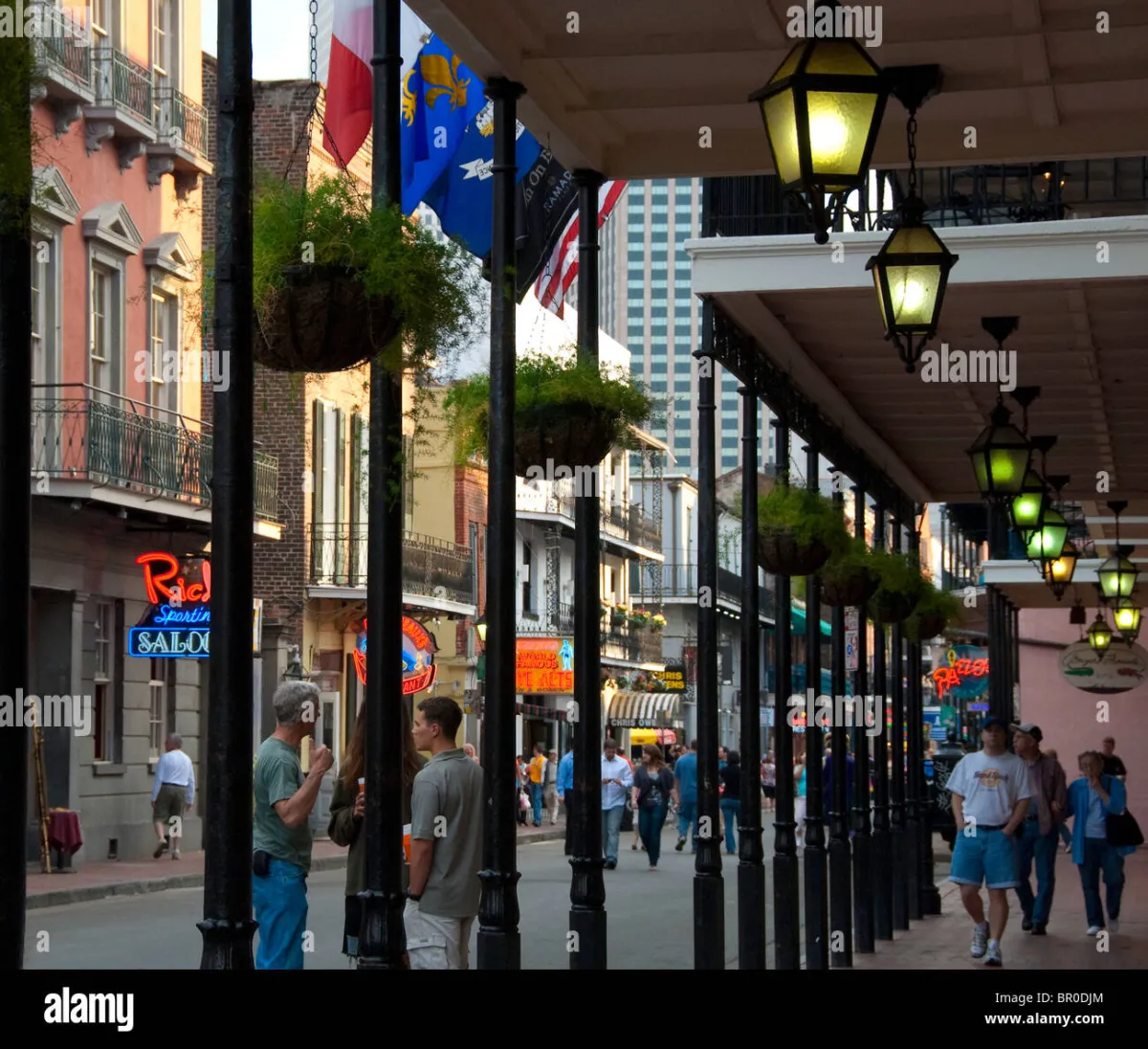 Photo: New Orleans, via c8.alamy.com
In Chicago, old Italian beef stands occasionally offered what workers called the "wet end" — the heel of the beef, slow-cooked until it had absorbed maximum juice from the surrounding giardiniera brine. It never appeared on signage. It just existed, for people who knew.
The Quiet Revival Happening Right Now
Something interesting is happening in a handful of cities. A new generation of deli owners and sandwich shops — particularly the wave of chef-driven spots that opened in the last decade — has started deliberately building off-menu culture back into their operations. Not as a gimmick, but as a philosophy.
In Brooklyn, a small Italian deli started running a weekly "counter sandwich" available only to customers who ask specifically. It changes based on what's left over from the week's prep. In Portland, a sandwich shop texts a daily special to a list of regulars that never gets posted on Instagram. In Nashville, a butcher shop offers what they call the "shop lunch" — a sandwich built from the day's trim — to anyone who walks in before 1 p.m. and knows to ask.
These aren't marketing stunts. They're a genuine attempt to recover something that got lost when delis started optimizing for efficiency and consistency. The off-menu sandwich was always a byproduct of abundance — of having more than the menu could account for — and the cooks who are bringing it back understand that.
How to Find the Sandwich That Doesn't Exist
The rules haven't really changed. Be a regular. Ask what the staff eats. Show up at odd hours when the counter isn't slammed and there's room for a conversation. Tell them you're not married to the menu. In a good deli, that's enough to open a door.
The best sandwich you'll ever eat at a deli probably won't have a name. It won't be on any list. Someone will build it from whatever's most interesting that day, hand it across the counter with a look that says don't make a big deal of this, and you'll eat it standing up because it feels wrong to sit down.
That's the whole point. Some food is better precisely because it was never meant for you — until it was.