Before the Spice Rack Got Standardized, Every Neighborhood Smelled Different
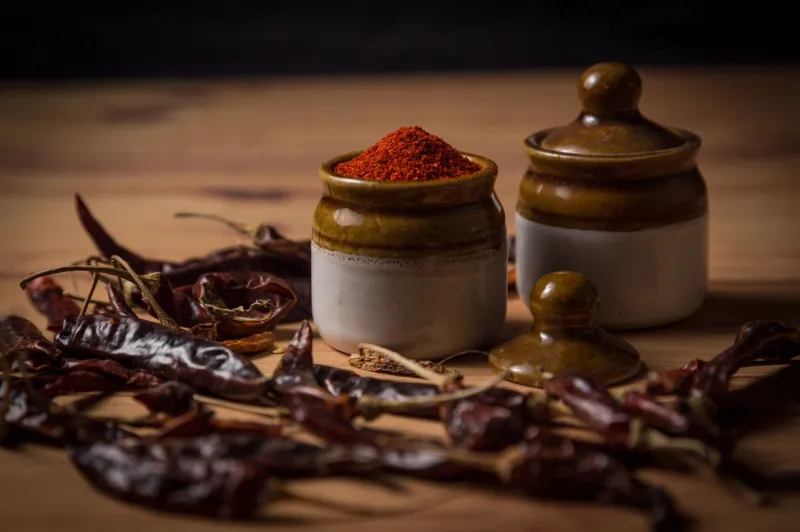
Open a jar of Italian seasoning and take a sniff. It's fine. Oregano, basil, thyme, maybe some rosemary. Inoffensive. Competent. And almost completely devoid of the regional personality that American cooking once had in extraordinary abundance.
That jar didn't appear out of nowhere. It was the end result of a long, slow process of culinary standardization that quietly erased dozens of distinct homemade herb blends — blends that varied by city, by neighborhood, by which part of which country your grandmother came from. For roughly a century, American home cooks seasoned their food with mixtures nobody sold, nobody branded, and almost nobody wrote down. Then the spice companies arrived with their tidy labels, and a whole ecosystem of flavor quietly disappeared.
The Patchwork That Preceded the Jar
Between the 1880s and the mid-twentieth century, the United States absorbed wave after wave of immigrant communities, each arriving with deeply specific ideas about how food should smell and taste. Italian immigrants from Calabria seasoned differently than those from Liguria. Polish communities in Chicago used dried herb combinations that bore almost no resemblance to what Greek families two neighborhoods over were mixing. Cajun cooks in Louisiana had their own proprietary logic, built from generations of improvisation with whatever grew locally.
None of these blends had names that would have meant anything outside their own community. They were passed down by demonstration — a grandmother's pinch of this, a handful of that, dried on the windowsill in August and crumbled into the pot in January. The recipe, if you could call it that, lived in the hands and the nose, not on paper.
In Sicilian-American households, the blend often leaned heavily toward wild fennel fronds and dried hot pepper, with oregano playing a supporting role rather than leading the charge — a completely different flavor profile than what the word "Italian" would eventually come to mean on a grocery shelf. In Hungarian neighborhoods, dried marjoram and caraway were the backbone of everything, giving braised dishes a warm, almost medicinal depth that modern spice blends don't attempt to replicate. German-American farm communities in Pennsylvania and the Midwest favored savory — the herb, not the flavor category — in ways that have almost entirely vanished from mainstream American cooking.
How Standardization Flattened the Map
The shift didn't happen overnight. Through the 1920s and 30s, regional herb traditions were still largely intact, sustained by immigrant communities who hadn't yet fully assimilated and by the sheer practical necessity of growing or sourcing your own seasonings. Commercial spice companies existed, but their reach was limited and their products were mostly single-ingredient: a tin of paprika, a bottle of dried thyme.
The real flattening came after World War II, when supermarket culture exploded and with it the demand for convenience and consistency. Spice companies recognized an opportunity: instead of selling individual herbs, they could sell the idea of a complete, foolproof flavor profile in a single container. "Italian seasoning" was a masterstroke of marketing because it was vague enough to apply to almost anything while specific enough to feel like expertise.
The problem was that "Italian" as a flavor concept was itself a simplification — a composite of several distinct regional traditions collapsed into one generic blend that didn't fully represent any of them. The same happened with other so-called ethnic seasoning blends. "Greek seasoning," "Cajun seasoning," "Mexican seasoning" — each one a compressed, shelf-stable reduction of something that had once been a living, evolving, community-specific practice.
And as the jars took over, the homemade blends faded. Younger generations who grew up with the supermarket version had no reference point for what their grandparents had actually been mixing. The knowledge simply stopped being transmitted.
What We Actually Lost
It's worth being specific about the flavors that disappeared. Lovage, a celery-adjacent herb that was once common in Central European and Appalachian cooking, vanished almost entirely from American kitchens. Summer savory — different from winter savory, subtler and more floral — was a staple in German-American and French-Canadian communities and is now nearly impossible to find fresh in most of the country. Dried lemon verbena appeared in Southern herb blends of the early twentieth century in ways that feel completely alien to modern palates. Hyssop, epazote, dried nasturtium — each one the backbone of some community's spice logic, each one now a specialty item if it's available at all.
The loss isn't just culinary. Those blends were a form of cultural memory. The specific combination of herbs a family used told you something about where they came from and what they valued. Flatten it all into one jar and you lose that specificity permanently.
The Cooks Bringing It Back
A quiet revival is underway, driven by a mix of culinary historians, small-batch spice producers, and home cooks who got curious about what their great-grandmothers were actually putting in the pot.
In New Mexico, a small producer has been working with elderly women in rural Hispanic communities to document and recreate the dried chile and herb blends that defined the region's cooking before commercial chili powder became the default. In the Mid-Atlantic, a food historian has been publishing reconstructed recipes for the dried herb mixtures used by Pennsylvania Dutch communities in the nineteenth century — blends built around dried celery leaf, caraway, and dried parsley in proportions that don't resemble anything currently on a grocery shelf.
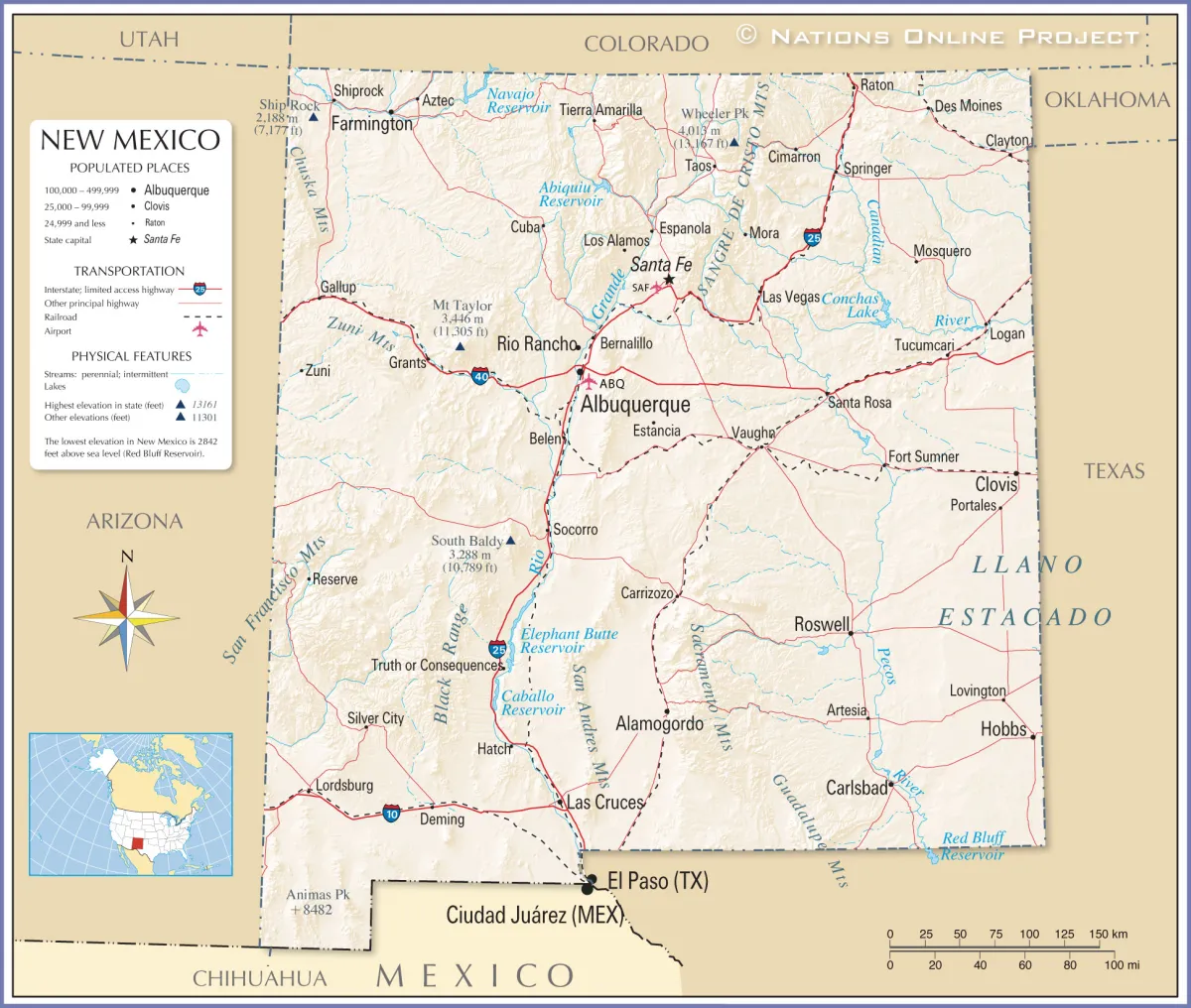 Photo: New Mexico, via www.nationsonline.org
Some chefs are taking a more practical approach, simply asking their oldest customers what their families used to cook with and working backward from memory. It's imprecise, but it's producing results — flavors that feel simultaneously unfamiliar and deeply right, like something your body recognizes even if your brain doesn't.
A Different Kind of Spice Rack
The next time you reach for that jar of Italian seasoning, consider what it replaced. Somewhere in the history of your own family's cooking — wherever they came from, whatever route they took to get here — there was a specific blend of dried herbs that made the food taste like home. It probably wasn't written down. It probably doesn't exist anymore.
But that doesn't mean it's entirely gone. It means someone has to go looking for it.