Before the Sugar Bowl Took Over, Americans Sweetened Everything With Something Far More Interesting
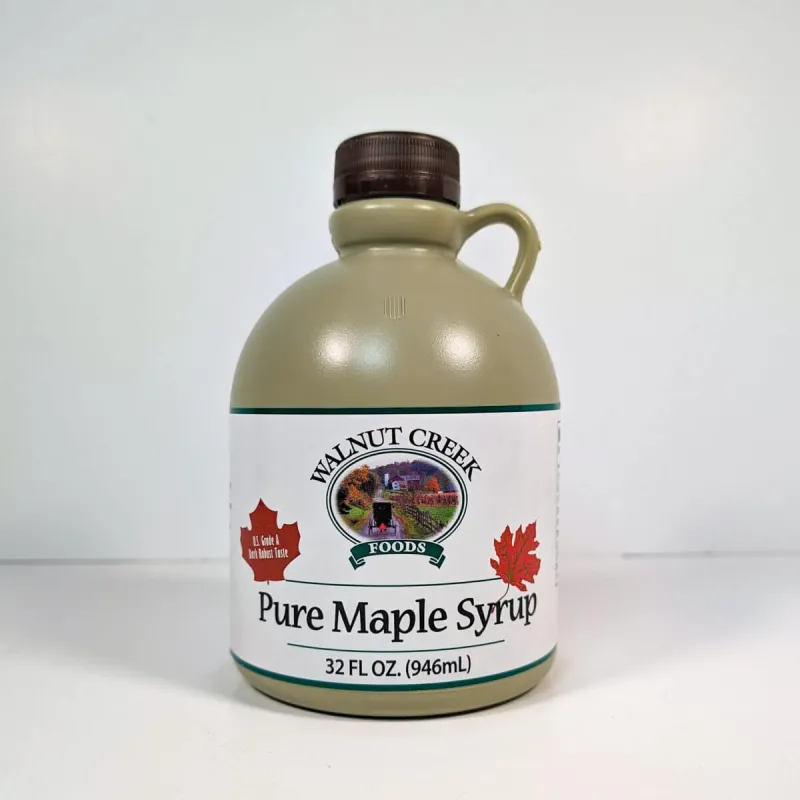
Photo: sorghum syrup maple sugar artisan sweeteners rustic American kitchen, via troyersmountainview.com
Walk into any American kitchen today and you'll find a bag of white granulated sugar somewhere near the back of a cabinet. It's so standard, so neutral, so completely taken for granted that we've stopped thinking of it as a choice. But for most of American history, that familiar white sweetness was either too expensive to use freely or simply unavailable in large quantities. What replaced it wasn't one thing — it was a whole patchwork of regional sweeteners, each with a distinct flavor personality, each quietly shaping the cooking culture of wherever it happened to be made.
The story of how industrial sugar flattened all of that is also the story of how American regional cooking lost one of its most interesting dimensions.
Sorghum: The South's Forgotten Liquid Gold
In Appalachia and across much of the rural South, sorghum syrup was the sweetener. Not maple syrup, not honey — sorghum. Made by pressing the juice from sorghum cane stalks and cooking it down over a wood fire, the resulting syrup is thick, dark, and deeply complex in a way that white sugar simply isn't. It carries notes of molasses, a faint earthiness, and a mild bitterness on the back end that keeps it from being cloying.
For generations of Southern mountain families, sorghum wasn't a specialty ingredient. It was the ingredient. It went into biscuits, cornbread, and gingerbread. It was poured over hot cornmeal mush at breakfast. It sweetened pie fillings and baked beans. Families that produced their own sorghum — a communal process called a sorghum stir-off, where neighbors gathered to help press and cook the cane — often measured their winter provisions partly in how many gallons of syrup they'd put up.
When cheap refined sugar arrived in rural general stores in the late nineteenth and early twentieth centuries, sorghum production began a long, slow decline. By the mid-twentieth century, it had become a curiosity. Today, a handful of small producers in Kentucky, Tennessee, and North Carolina are bringing it back, and chefs who discover it tend to use it with the same reverence they'd give a fine aged vinegar.
Maple Sugar: More Than a Syrup
New Englanders and Great Lakes communities had their own sweetener economy built around maple, but here's the part that often gets lost: for most of American history, the primary maple product wasn't syrup. It was sugar — solid, granulated or molded maple sugar that could be stored through the year without refrigeration and used exactly as you'd use cane sugar, just with a flavor that white sugar could never match.
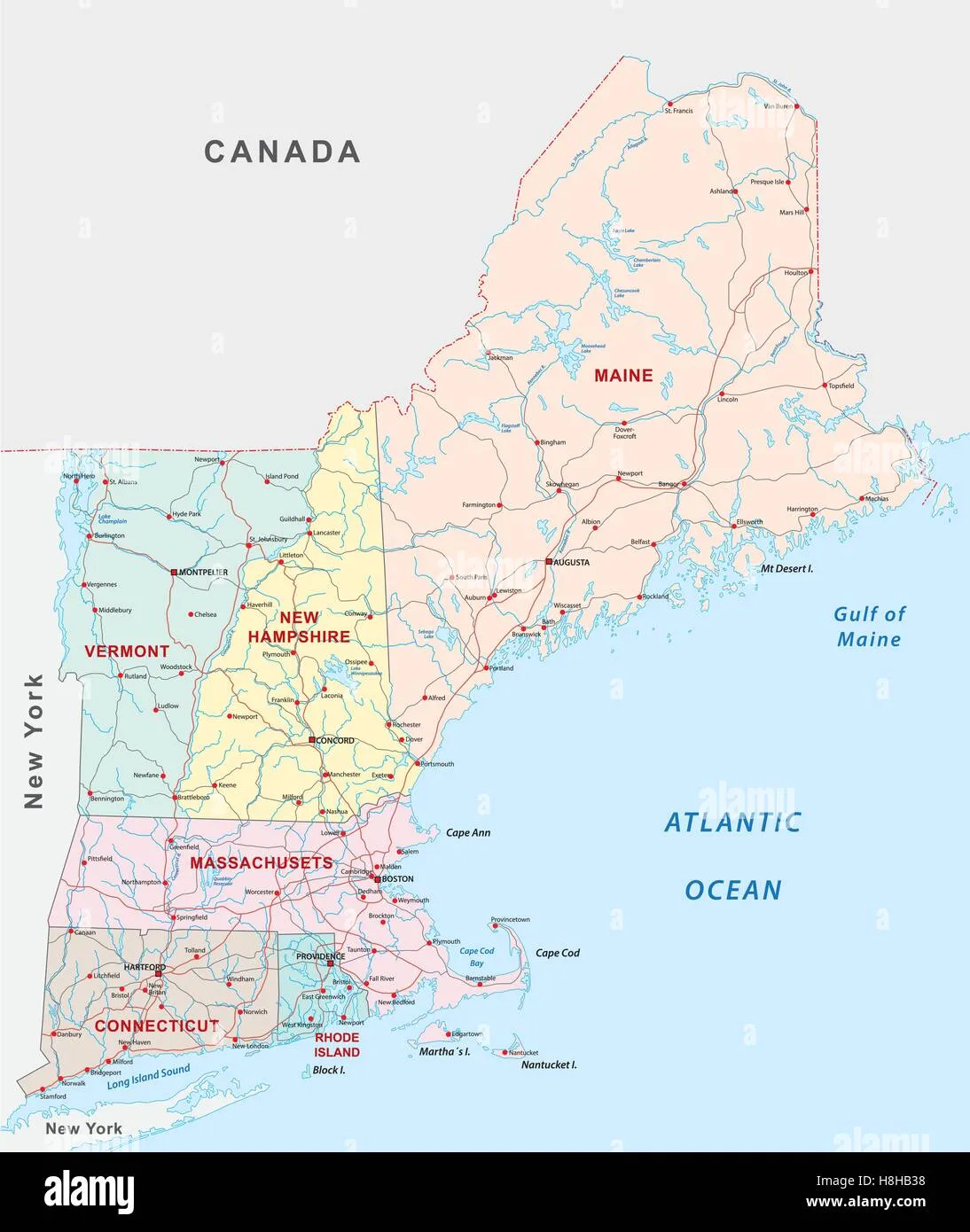 Photo: New England, via c8.alamy.com
Maple sugar cakes were a staple trade item in colonial New England. Native communities across the Northeast had been producing maple sugar for centuries before European contact, and early settlers adopted the practice quickly because cane sugar was expensive and often scarce. A family with access to a good stand of sugar maples could produce enough maple sugar in a spring tapping season to sweeten their cooking through the following winter.
The flavor difference matters. Maple sugar carries the caramel warmth of the syrup in a dry, shelf-stable form. Cookies made with it have a depth that butter cookies made with white sugar don't. Baked beans sweetened with maple sugar taste different — more rounded, more complex — than those made with molasses or refined sugar. When cane sugar became cheap and abundant, maple sugar production dropped off sharply because it was labor-intensive and suddenly unnecessary. The syrup market survived because maple syrup had developed its own identity as a pancake condiment. The sugar largely didn't.
A growing number of small Vermont and New Hampshire sugar makers are now producing granulated maple sugar again, and bakers who use it tend to become quietly evangelical about it.
Apple Butter and the Mid-Atlantic's Sweetening Tradition
In Pennsylvania, Virginia, and the surrounding mid-Atlantic region, the sweetener question was answered in part by apples — specifically by apple butter, a cooked-down concentrate of apple pulp that was thick, dark, spiced, and intensely sweet. It wasn't used purely as a spread. In the hands of a resourceful home cook, apple butter was a flexible sweetening agent that could replace or extend other sweeteners in baked goods, sauces, and braised dishes.
Apple butter production was a communal fall event — neighbors gathered around large copper kettles, stirring for hours as fresh apple cider and sliced apples cooked down into a dense, fragrant paste. The result kept well through the winter and served multiple functions in the kitchen. This wasn't just economy. The flavor apple butter brought to a dish was irreplaceable: fruity, lightly spiced, with a tartness underneath the sweetness that kept food interesting.
When sugar got cheap, apple butter stayed on the table as a spread but mostly disappeared as a cooking ingredient. The culinary logic behind using it as a sweetener became invisible.
What We Actually Lost
The arrival of affordable industrial sugar in the late nineteenth century is usually framed as a straightforward improvement — sugar became democratic, available to everyone rather than just the wealthy. That's true. But the replacement wasn't neutral. Refined white sugar has essentially no flavor beyond sweetness. The sweeteners it displaced had entire flavor profiles. When those profiles disappeared from everyday cooking, regional food traditions lost a foundational ingredient that had been shaping them for generations.
The biscuit made with sorghum tastes different from the biscuit made with sugar. The pie sweetened with maple sugar is a different pie. That's not nostalgia — it's chemistry. And it's a dimension of American regional cooking that largely vanished within a single generation.
The artisan producers bringing these sweeteners back aren't just selling novelty items. They're making an argument about flavor that the industrial food system quietly decided wasn't worth preserving. Increasingly, home cooks and chefs are agreeing with them — one jar of sorghum syrup at a time.