When Salt Was Luxury: The Ingenious Flavor Tricks Depression Cooks Used to Make Nothing Taste Like Everything
In 1932, black pepper cost what most families spent on meat for a week. Bay leaves were a luxury item. Even salt came in careful, measured portions that made every grain precious. Yet somehow, the cooks of the Great Depression managed to create meals with depth, complexity, and satisfaction using techniques that would make modern flavor scientists take notes.
They didn't just make do — they innovated. And their innovations reveal a level of culinary sophistication that puts our overstuffed spice racks to shame.
The Alchemy of Scraps
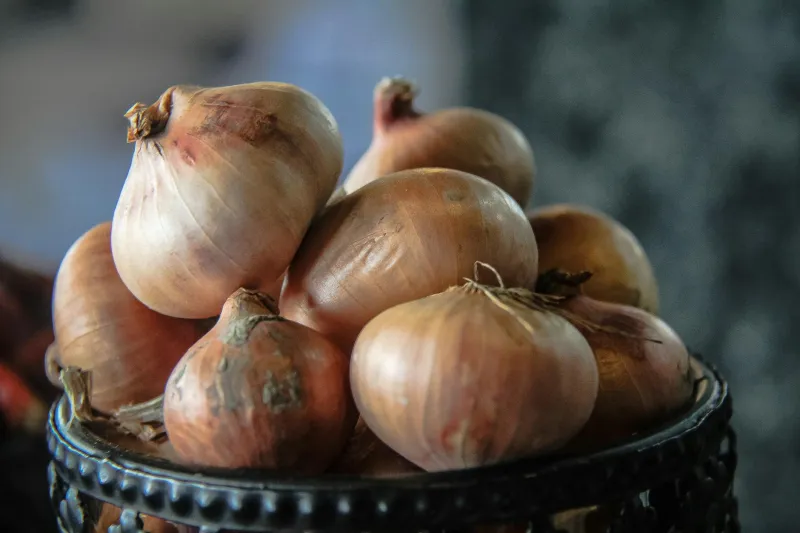
Depression-era cooks understood something that modern kitchens have forgotten: flavor lives in the parts we throw away. Onion skins, when charred directly over a flame, produced a smoky sweetness that could transform a pot of plain beans into something that tasted like it had been cooking over hickory for hours. Celery leaves, bitter when raw, became intensely savory when dried and crumbled into soups and stews.
Bread heels — the end pieces that nobody wanted to eat — got toasted until nearly black, then ground into a powder that added nutty depth to gravies and meat dishes. Potato peels were fried until crispy, then crushed and used as a seasoning that provided both flavor and texture. These weren't desperate substitutions; they were deliberate techniques that produced results unavailable from any store-bought spice.
The Science Behind the Scraps
What these cooks discovered through necessity, food scientists now understand through chemistry. Charring onion skins creates Maillard reactions that produce the same compounds found in expensive smoked seasonings. Celery leaves contain concentrated amounts of the glutamates that make foods taste more savory and satisfying. Toasted bread crumbs provide the nutty, caramelized flavors that come from browning proteins and starches.
Extension service pamphlets from the 1930s document these techniques with the precision of laboratory manuals. "Burn three medium onion skins over direct flame until edges curl and darken," reads one Iowa guide. "Crush when cool and add to bean pot for smoky flavor without smoke." These weren't grandma's intuitive cooking tips — they were carefully tested methods that government home economists developed to help families create satisfying meals from minimal ingredients.
Regional Innovations Born from Necessity
Different regions developed different scrap-based flavor systems based on local agriculture and cultural preferences. Southern cooks became masters of ham bone manipulation, extracting maximum flavor from bones that had already been used for primary meat dishes. They'd char the bones over open flames, then simmer them for days to create broths that tasted like they contained pounds of fresh meat.
Midwestern families developed elaborate systems around corn waste. Corn silk, usually discarded, was dried and used as a sweetening agent that added subtle corn flavor to baked goods. Corncobs were charred and used to smoke meats in makeshift smokers built from old barrels. Even corn husks were saved, dried, and used to wrap foods for steaming — a technique that infused dishes with gentle corn essence.
Appalachian cooks became experts at wild flavor extraction. They knew which tree barks could be safely scraped and dried to create spice substitutes, which wild herbs provided the most concentrated flavors, and how to ferment vegetable scraps into seasoning pastes that lasted through winter months.
The Lost Art of Layered Flavor Building
Perhaps most impressive was how Depression cooks learned to build complex flavors in layers, since they couldn't rely on single powerful ingredients to carry their dishes. They might start a soup by charring onion skins for smokiness, add dried celery leaves for umami, incorporate toasted bread crumbs for nuttiness, and finish with fermented vegetable liquid for acidity and depth.
This layered approach created flavor profiles that were more sophisticated than many restaurant dishes. Each element contributed something specific, and the combination produced tastes that were impossible to identify but impossible to forget. Modern cooks who try to recreate these dishes often fail because they attempt to substitute single commercial spices for what was actually a complex system of complementary flavors.
Techniques That Work Better Than Store-Bought
Some Depression-era flavor tricks actually produce better results than their commercial equivalents. Homemade celery salt, made from dried celery leaves and coarse salt, has a brighter, more complex flavor than the commercial version. Toasted and ground bread crumbs provide more nuanced nuttiness than expensive imported breadcrumb seasonings.
Charred vegetable skins create smoky flavors that are more subtle and food-friendly than liquid smoke, which can overwhelm delicate dishes. Fermented vegetable scraps produce umami-rich seasonings that rival expensive fish sauces and fermented pastes, but with flavor profiles perfectly suited to American palates.
The Quiet Rediscovery
Today's zero-waste cooking movement is unknowingly rediscovering many Depression-era techniques. High-end restaurants now charge premium prices for dishes seasoned with "vegetable ash" and "fermented scraps" — techniques that struggling families perfected ninety years ago. Food magazines celebrate "nose-to-tail" cooking that maximizes every part of ingredients, not realizing they're describing survival skills that entire generations took for granted.
Home cooks interested in reducing food waste are finding that Depression-era scrap cooking produces better flavors than many expensive ingredients. The techniques require more time and attention than opening spice jars, but they create deeper, more complex tastes that can't be purchased.
Lessons from Empty Pantries
The sophisticated flavor work that emerged from Depression-era kitchens offers lessons that extend beyond historical curiosity. These cooks proved that limitation breeds innovation, that flavor comes from technique as much as ingredients, and that the most satisfying tastes often emerge from the most careful attention to what seems worthless.
In our age of abundant spice racks and international ingredients, we might learn something from cooks who created extraordinary flavors from ordinary scraps. They understood that good cooking isn't about having access to everything — it's about understanding how to make the most of what you have.
That might be the most valuable spice of all.