Lunchbox Currency: The Thriving Underground Economy That Ran on Homemade Food
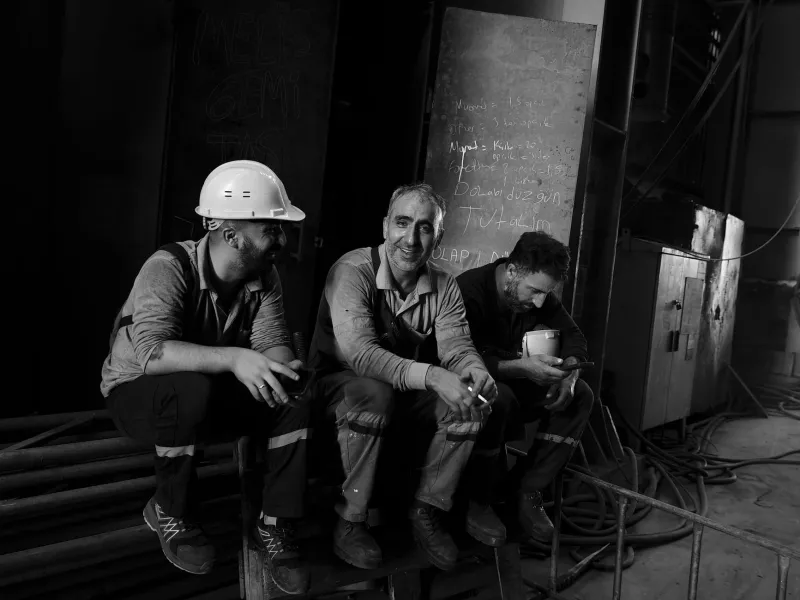
Imagine showing up to work and your ability to trade a piece of your wife's walnut cake for a neighbor's extra portion of stuffed peppers determines something real about your standing on the floor. Not officially. Nobody wrote it down. But everyone understood it. The man whose lunch was worth trading for had something the man eating dry bread alone didn't — a home where someone cooked well, which meant something about who he was and where he came from.
That was the reality of the American factory lunch break for a significant stretch of this country's industrial history. And it's a story that's almost entirely missing from how we talk about food, labor, or American social culture.
The Tin Pail as Social Contract
The metal lunch pail — later the tin lunchbox — was standard equipment for American industrial workers from the mid-1800s through most of the 20th century. Before refrigeration was widespread and long before the concept of a food truck existed, workers carried everything they'd eat during a shift from home. What went inside that pail wasn't random. It was a direct reflection of family resources, cultural background, and cooking skill.
In steel towns like Pittsburgh and Gary, Indiana, immigrant workers from Poland, Hungary, Slovakia, and Ukraine brought lunches that looked nothing like what their Anglo coworkers were eating. Hearty breads, dense meat preparations, pickled vegetables, and slow-cooked dishes that traveled well and delivered serious calories for physically demanding work. These weren't just convenient meals — they were portable extensions of home kitchens that hadn't fully Americanized yet.
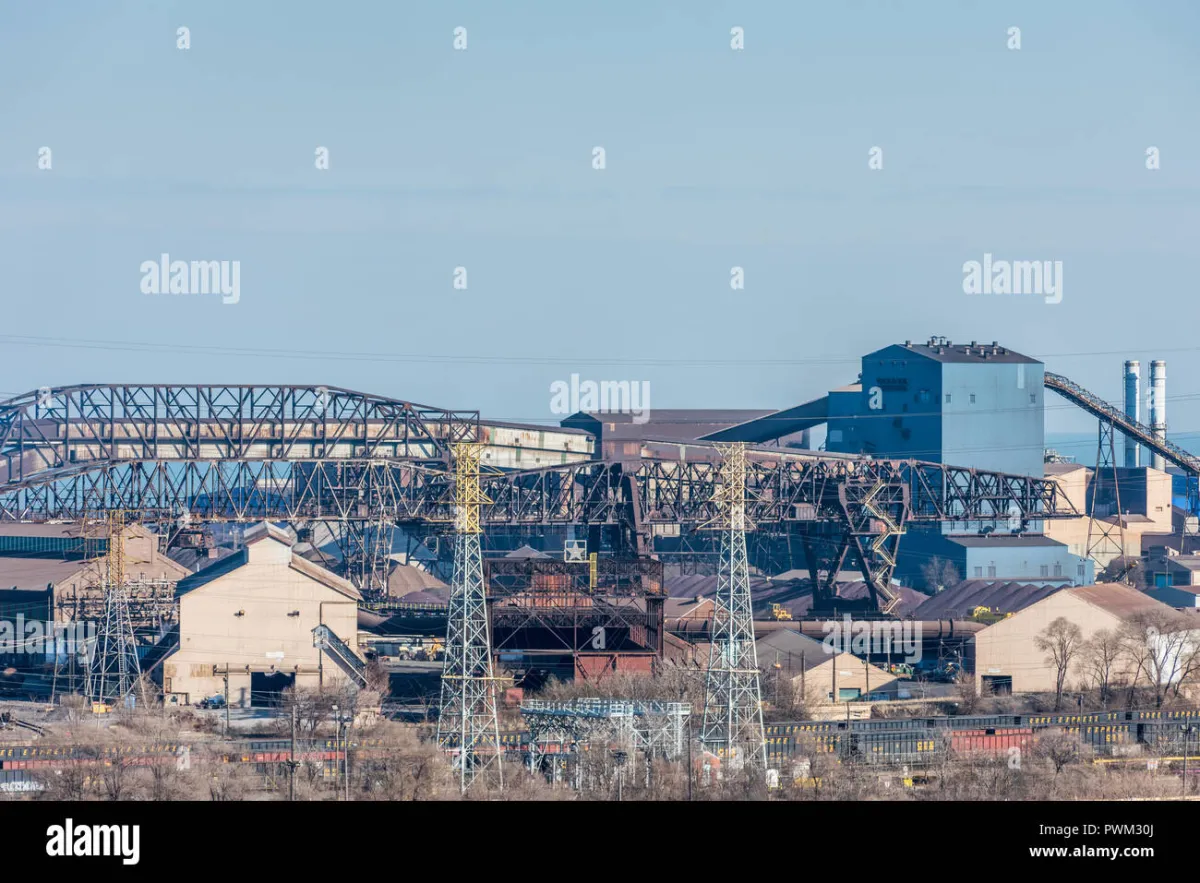 Photo: Gary, Indiana, via c8.alamy.com
And here's where it gets interesting: those lunches became trading chips.
The Barter Floor
The informal lunch economy that developed on factory floors operated on its own logic, completely outside any official structure. Workers who brought exceptional food — whether because their families were particularly skilled cooks or because their cultural tradition produced especially compelling dishes — found themselves with something valuable.
In textile mills across the Carolinas and New England, women workers who brought homemade baked goods sometimes sold portions for small amounts of cash or traded them for favors, covered shifts, or help with difficult tasks. A woman known for her biscuits or her pound cake had a reputation that extended beyond her work performance. She had a kind of soft economic power that operated entirely through food.
On railroad crews, where workers often spent days away from home, the lunch situation was more complicated and the economy around it more intense. Crew members who cooked for themselves or received exceptional packed meals from family members at station stops became informal provisioners for their colleagues. Sharing wasn't just generosity — it was relationship-building with real practical value when you were stuck on a remote stretch of track and needed someone to cover for you.
Status, Skill, and the Smell Test
There's a reason people still talk about the smell of a school cafeteria — food announces itself. On a factory floor, what came out of your lunchbox when you opened it was public information. Everyone nearby knew what you had. And everyone formed an opinion.
This created a subtle but genuine status system. Workers whose families sent them with impressive lunches — well-seasoned, thoughtfully composed, clearly made from scratch — carried a different kind of credibility than those eating whatever was cheapest and easiest. It wasn't about wealth exactly. Plenty of working-class families with modest incomes produced extraordinary lunches because the women running those households were genuinely skilled cooks who took pride in it.
Food historian Rae Katherine Eighmey has documented similar dynamics in her research on American working-class food culture, noting that home cooking served as a form of family reputation management that extended into the workplace in ways that are hard to fully reconstruct now. The family that sent their father to the mill with good food was signaling something about their household — its competence, its care, its cultural identity.
 Photo: Rae Katherine Eighmey, via th-thumbnailer.cdn-si-edu.com
The Recipes That Traveled in Tin
One underappreciated consequence of this lunch culture: it became a vector for culinary exchange. When workers from different ethnic and regional backgrounds traded portions, they tasted things they'd never encountered at home. Flavors crossed community lines that were otherwise pretty firmly drawn in early 20th-century American factory towns.
A Polish steelworker who tasted a Black coworker's slow-cooked greens for the first time at a break room table in 1935 was participating in a kind of cultural exchange that wasn't happening in restaurants (which were often segregated), in neighborhoods (which were often ethnically siloed), or in any formal social setting. The lunch break was one of the few genuinely integrated spaces in many industrial workplaces, and food was one of the things that moved across those informal divides.
Some food scholars argue that the blurring of regional American cuisines in the mid-20th century — the way certain flavors and techniques spread across ethnic and geographic lines — was partly driven by exactly this kind of informal daily contact.
What We Lost When Lunch Got Outsourced
Something shifted when the American lunch break got handed over to commercial food. Vending machines arrived in break rooms. Fast food chains clustered near factory exits. Company cafeterias standardized everything. The homemade lunch didn't disappear overnight, but its centrality in workplace culture faded.
With it went the social architecture built around it. The informal trading, the reputations built on cooking quality, the cross-cultural tasting, the daily reminder that someone at home had put effort into feeding you — all of that became less visible, less common, and eventually kind of quaint.
Food trucks and delivery apps have created new forms of the midday meal economy, and they're genuinely impressive in their own way. But they're commercial systems. The old lunch economy was personal. It was built on relationships, skill, and trust rather than transactions.
The Lunch That Meant Something
There's something worth sitting with here. For a long stretch of American history, what you brought to work for lunch was a meaningful object. It represented someone's labor before your labor even started. It carried cultural information, family identity, and genuine skill. It could be traded, shared, sold, or hoarded. It made you interesting or unremarkable.
We've gained a lot of convenience by outsourcing our midday meals to the commercial food system. But we gave up something harder to quantify — the idea that lunch could be a form of care made visible, a daily artifact of home life carried into the working world.