The Honor System Economy That Fed America: How Roadside Stands Survived the Depression and Are Thriving Again
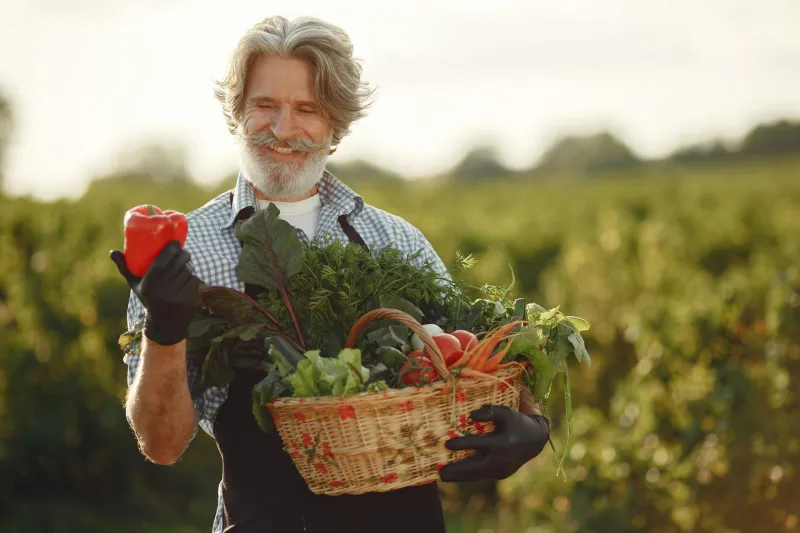
Drive through rural America today and you'll still see them: weathered wooden tables by the side of the road, loaded with tomatoes, corn, or whatever's in season. A hand-painted sign announces the prices, and a coffee can sits nearby for payment. No cashier, no security cameras, no credit card readers — just an implicit trust that people will pay for what they take.
Most people assume these roadside stands are quaint throwbacks, charming relics of a simpler time. But the truth is far more fascinating: these humble operations represent one of America's most successful alternative economic systems, one that not only survived the Great Depression but actually thrived during it — and is quietly experiencing a remarkable renaissance today.
The Unwritten Rules of Roadside Commerce
During the 1930s, when banks were failing and jobs were scarce, an informal but remarkably sophisticated network of roadside stands emerged across rural America. These weren't just random farmers selling surplus vegetables. They were part of a carefully orchestrated system that operated according to unwritten but universally understood rules.
First, there was the geography. Stands appeared at strategic locations — near churches after Sunday services, along routes to town on market days, at crossroads where farm families naturally gathered. The placement wasn't accidental; it was based on decades of understanding local traffic patterns and community rhythms.
Second, there was the honor system itself. Payment worked on pure trust: customers left money in tin cans, mason jars, or wooden boxes. Change was made from the same container. The system worked because everyone understood the stakes — cheat a neighbor, and word would spread through the community faster than gossip at a church social.
The Economics of Survival
What made these stands so crucial during the Depression wasn't just convenience — it was economic necessity on both sides of the transaction. Farm families could earn desperately needed cash by selling directly to consumers, bypassing the middlemen and distributors who were often struggling themselves. Meanwhile, customers could get fresh food at prices that grocery stores, with their overhead costs and supply chain markups, simply couldn't match.
The stands also created a kind of informal credit system. Regular customers might leave IOUs during particularly tough weeks, knowing they'd settle up when times were better. Farmers would sometimes accept payment in labor or goods — a few hours of fence repair in exchange for a week's worth of vegetables.
This wasn't charity; it was sophisticated bartering that kept communities functioning when the formal economy was failing. The roadside stands became economic lifelines that operated entirely outside the banking system, government programs, or corporate supply chains.
The Social Infrastructure Behind the Vegetables
But the stands were more than just economic transactions — they were social infrastructure. In an era before television or widespread telephone service, stopping at roadside stands was how news traveled through rural communities. Farmers would share information about weather, crop conditions, and local events while customers picked through bins of produce.
The stands also enforced community standards in subtle but powerful ways. A farmer known for cheating on weights or selling inferior produce would quickly find their customer base drying up. Conversely, stands known for quality and fair dealing would develop loyal followings that lasted for generations.
Women often ran the day-to-day operations while men worked the fields, giving them rare opportunities for independent income and social interaction. Many farm wives became local celebrities, known for their prize-winning tomatoes or perfectly ripe peaches.
The Modern Revival
Fast-forward to today, and something remarkable is happening: the roadside stand is making a comeback. But this time, it's powered by a new generation of small farmers, urban homesteaders, and even suburban families with productive gardens.
The modern version looks different from its Depression-era ancestor, but the core principles remain the same. Hand-painted signs now compete with social media posts announcing what's available. Honor boxes accept Venmo payments alongside cash. Some stands even have QR codes linking to online ordering systems.
What hasn't changed is the trust-based economy that makes it all work. Despite living in an age of security cameras and digital surveillance, people are still willing to pay for produce on the honor system. In fact, many modern stand operators report virtually zero theft — a testament to the enduring power of community accountability.
The New Players in an Old Game
Today's roadside stand renaissance includes some surprising participants. Suburban families with large gardens are setting up weekend stands to sell excess produce to neighbors. Urban foragers are selling wild mushrooms and edible plants at impromptu roadside locations. Even some restaurants are getting in on the action, selling surplus ingredients directly to customers.
The motivations are different from the Depression era — most modern operators aren't driven by desperate economic necessity — but the underlying appeal remains the same. For sellers, it's a way to earn money from surplus production while building community connections. For buyers, it's access to ultra-fresh, local food at reasonable prices, plus the satisfaction of supporting neighbors rather than corporate chains.
Why the Honor System Still Works
In our current age of cynicism about human nature, the continued success of honor-system commerce seems almost miraculous. But roadside stands work for the same reason they always have: they're embedded in communities where reputation matters and relationships are ongoing.
Unlike anonymous urban transactions, roadside stand commerce happens between people who are likely to encounter each other again. The farmer selling tomatoes today might be the person you ask for help when your tractor breaks down next month. The customer who cheats on payment might find themselves unwelcome at the church social or community barbecue.
This social enforcement mechanism is so powerful that many modern stand operators report that their biggest problem isn't theft — it's customers who accidentally overpay and can't be tracked down to receive their change.
Lessons from the Roadside
The persistence and revival of roadside stands offers some important lessons about economic resilience and community building. In an era of global supply chains and corporate consolidation, these humble operations prove that local, trust-based commerce not only survives but thrives.
They also demonstrate that technology doesn't have to replace human connection — it can enhance it. Modern stands use social media to build communities around local food, creating digital networks that strengthen rather than replace face-to-face relationships.
Perhaps most importantly, roadside stands remind us that some of our most effective economic institutions aren't the result of complex regulations or sophisticated business models — they're the product of simple human trust, built one honest transaction at a time.
The next time you see a roadside stand, remember: you're not just looking at someone selling vegetables. You're witnessing one of America's most enduring economic innovations, a system that has weathered the Great Depression, the rise of supermarket chains, and the digital revolution — all while operating on nothing more than a handshake and the assumption that people will do the right thing.