Before Coca-Cola Conquered America, We Drank Fermented Fruit Vinegars That Made Water Taste Like Wine
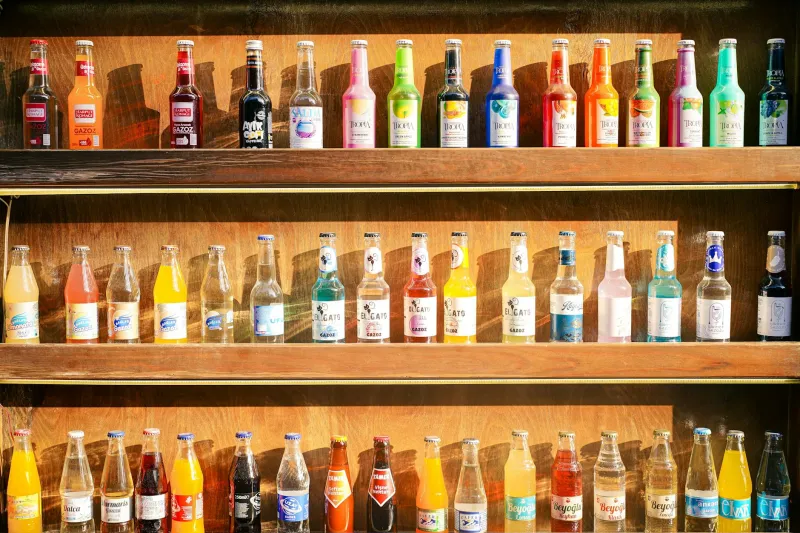
In 1890, if you wanted something interesting to drink with dinner, you didn't reach for a Coke or crack open a beer. You poured yourself a shrub — a tart, complex drinking vinegar that had been fermenting in your cellar since last summer's fruit harvest. These weren't desperate substitutes for "real" drinks. They were America's original craft beverages, sophisticated enough to serve at formal dinner parties and practical enough to keep families hydrated through long, hot summers.
Then Prohibition arrived, commercial soft drinks exploded, and one of America's most elegant drinking traditions virtually disappeared overnight.
The Sophisticated Science of Colonial Drinking
Shrubs weren't just fruit-flavored vinegars thrown together by colonial housewives with too much time on their hands. They were carefully engineered beverages that solved multiple problems simultaneously: how to preserve seasonal fruit flavors, how to create refreshing drinks without alcohol, and how to make plain water taste interesting enough to drink regularly.
The basic process was deceptively simple: combine fresh fruit with sugar and vinegar, then let time and fermentation work their magic. But the best shrub makers understood the subtle chemistry involved. Different fruits required different ratios of acid to sugar. Some varieties improved with aging, while others peaked after just a few weeks. The timing of when to add the vinegar, how long to macerate the fruit, and how to balance sweetness with tartness separated amateur shrub makers from artists.
Recipes from the 1700s and 1800s read like modern craft cocktail manuals, with precise instructions for extracting maximum flavor from each type of fruit and detailed notes on how different vinegars affected the final product. Apple cider vinegar produced mellow, rounded shrubs perfect for everyday drinking. White wine vinegar created bright, sharp flavors that paired well with rich meals. Some makers experimented with herb-infused vinegars that added complex aromatic layers.
Regional Shrub Cultures Across America
Different regions developed distinct shrub traditions based on local fruit crops and cultural preferences. New England shrub makers specialized in cranberry and apple varieties that could be stored through harsh winters. Pennsylvania Dutch communities created elaborate peach and cherry shrubs that were served at church gatherings and community celebrations.
 Photo: Pennsylvania Dutch, via www.dokter.nl
 Photo: New England, via www.machter.com.au
The South developed its own shrub culture around figs, muscadines, and other heat-tolerant fruits. Southern shrubs tended to be sweeter and more floral than their Northern counterparts, reflecting both the available fruit and the region's preference for gentler flavors. Some plantation kitchens created shrubs infused with mint, rose petals, or other aromatics that turned simple fruit vinegars into sophisticated beverages worthy of formal entertaining.
Western frontier communities adapted shrub-making to whatever fruit they could grow or forage. Wild berry shrubs became staples in areas where traditional fruit crops struggled. Some frontier shrub makers incorporated native plants and berries, creating flavor profiles that were uniquely American and impossible to replicate elsewhere.
The Social Role of Shrub Culture
Shrubs occupied a unique place in American drinking culture. They were sophisticated enough for formal occasions but wholesome enough for everyday family consumption. Unlike alcohol, shrubs could be served to children and at religious gatherings. Unlike plain water, they provided interesting flavors and were believed to have health benefits.
Many families maintained multiple shrubs simultaneously, offering guests choices that reflected seasonal availability and personal preferences. Serving good shrubs was a mark of household sophistication, similar to how wine collections function today. The best shrub makers were recognized in their communities, and particularly successful recipes were passed down through generations like family heirlooms.
Shrubs also played important social functions at community gatherings. Church picnics, barn raisings, and harvest celebrations featured shrub stations where people could sample different makers' creations and share techniques. These gatherings helped spread successful recipes and innovations throughout communities.
The Cultural Disruption That Killed Shrub Culture
Prohibition didn't just ban alcohol — it disrupted entire drinking cultures and social rituals around beverages. Families who had maintained elaborate shrub-making traditions for generations found themselves gravitating toward the convenient commercial soft drinks that were flooding the market. Coca-Cola, Pepsi, and other manufactured beverages offered consistent flavors and required no advance planning or fermentation knowledge.
The rise of refrigeration also undermined shrub culture. Families who could keep fresh fruit cold year-round had less incentive to preserve seasonal flavors through fermentation. Ice-cold sodas became more appealing than room-temperature shrubs, especially during hot weather.
World War II dealt another blow to shrub-making traditions. Sugar rationing made it difficult to maintain the elaborate preservation processes that good shrubs required. Many families abandoned their shrub-making equipment and never resumed the practice after the war ended.
The Flavor Profiles We Lost
Historical shrub recipes reveal flavor combinations that have no modern equivalent. Gooseberry shrubs provided tart complexity that modern sour drinks rarely achieve. Elderflower shrubs offered delicate floral notes that were both refreshing and sophisticated. Quince shrubs delivered exotic, perfumed flavors that seemed almost Middle Eastern in their intensity.
Some shrub makers created blends that combined multiple fruits with herbs and spices, producing beverages that were closer to modern kombucha or craft cocktails than anything we typically associate with historical American drinking. These complex shrubs required months of aging and careful blending to achieve their final flavor profiles.
The Quiet Revival
Today's craft cocktail movement has rediscovered shrubs, but most modern bartenders don't realize they're working with one of America's oldest beverage traditions. Restaurants now charge premium prices for shrub-based cocktails that recreate flavors American families once made in their own kitchens.
Some home fermenters are experimenting with historical shrub recipes, often discovering that these old techniques produce more complex and interesting flavors than modern shortcuts. The slow fermentation and careful fruit selection that characterized traditional shrub-making create depth and balance that quick-mixed modern versions rarely achieve.
Lessons from America's Lost Beverage Culture
The disappearance of shrub culture represents more than just a change in drinking preferences. It reflects how quickly sophisticated food traditions can vanish when convenience and marketing combine to offer seemingly better alternatives. Families abandoned generations of accumulated shrub-making knowledge in favor of beverages that were easier but ultimately less satisfying.
The revival of interest in shrubs suggests that convenience isn't everything. Modern drinkers who discover well-made shrubs often find them more refreshing and interesting than commercial soft drinks, despite requiring significantly more effort to produce.
Perhaps most importantly, shrub culture reminds us that America once had beverage traditions as sophisticated as any wine culture, based on local ingredients and seasonal rhythms rather than global marketing and artificial flavors. We traded depth for convenience, and we're only now beginning to understand what we lost in that exchange.